


 Shkruar nga Gjergj Zefi
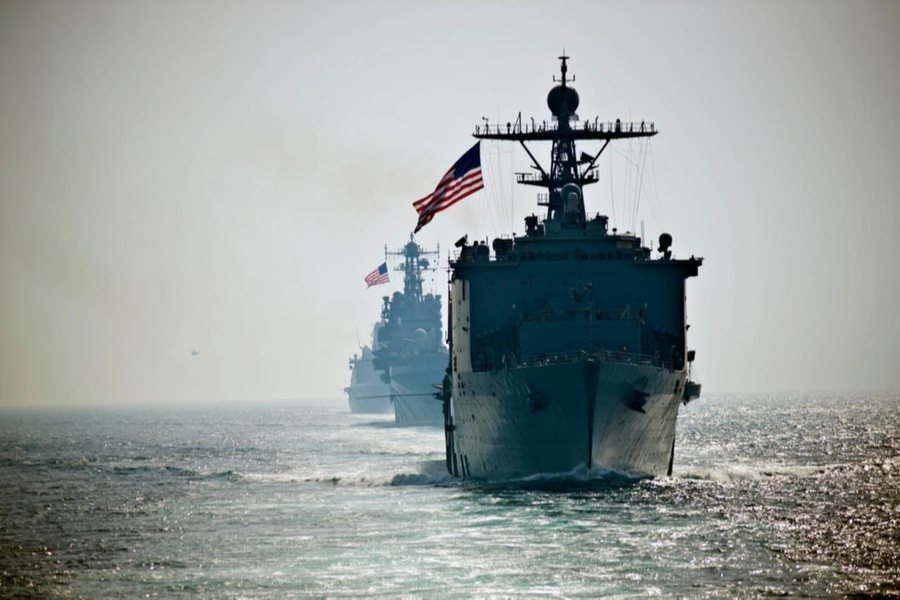
From promises of peace to bombing orders, Donald Trump has built an unpredictable diplomacy, where negotiations and war take place simultaneously, keeping the world in a permanent state of uncertainty.
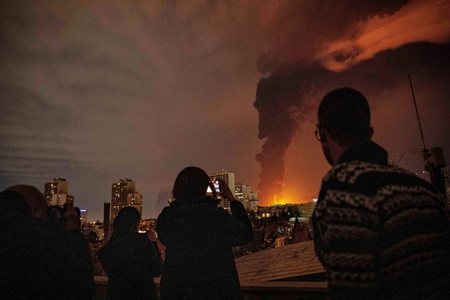
For months now, the world has been living between hope and anxiety. In the evenings, we are informed that a ceasefire is approaching, that negotiations have entered a decisive phase, that leaders are talking about peace. In the morning, we wake up to alarms, missiles and reports of new attacks. Diplomacy has become a term that changes meaning overnight.
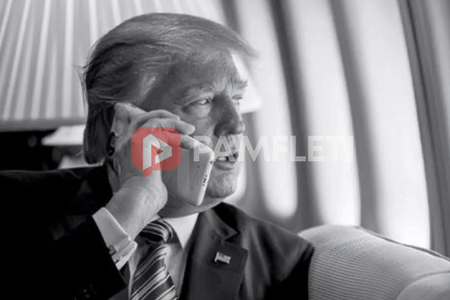
At the center of this dynamic is Donald Trump. The American president has built an unusual diplomatic style, where maximum pressure, spectacular statements and negotiations run parallel to a demonstration of military force. One day he announces that the war will end "within hours", the next day he authorizes bombings or warns of even more serious consequences if the opponent does not surrender.
It is "freeze-thaw" diplomacy. A diplomacy that freezes the opponent's hopes with threats and melts them with promises of agreement. A method that aims to keep the other side constantly in uncertainty, without knowing whether they are facing a negotiator or a commander.
The problem is that this approach does not only produce uncertainty in the adversary. It creates uncertainty throughout the world. Markets do not know whether to invest or withdraw. Allies do not know whether to prepare for peace or war. Investors do not know whether to buy oil or wait. Public opinion is also tired of the daily cycle of statements that are refuted by developments on the ground.
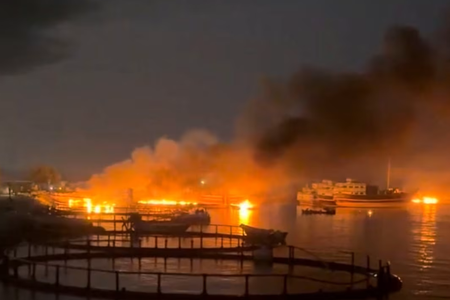
In the conflict with Iran, this was clearly seen. There was talk of a ceasefire, while the planes continued bombing. There was talk of stability in the Strait of Hormuz, while the military fleets were increasing every day. There was talk of negotiations, while the missiles continued to fly in both directions.
This model is not new. Trump has used it with North Korea, in trade relations with China, and in relations with NATO. First he increases tension to extreme limits, then offers negotiations as the only way to reduce it. For his supporters this is an effective strategy of force. For critics it is a dangerous game with international balances.
But perhaps the biggest consequence is not military. It's psychological.
Today, public opinion no longer believes either declarations of peace or threats of war. Every announcement is treated with suspicion. Every press conference is seen as part of a tactical game. Diplomacy, which once aimed to create trust, is producing exactly the opposite: distrust.
This is why the world today lives in a state of perpetual suspense. We do not know whether the night will end with a historic agreement or a new wave of bombing. We do not know whether a presidential declaration is the end of the crisis or its beginning.
History has shown that peace is built on trust. Diplomacy can use pressure, it can even use force as a last resort, but it cannot survive without predictability. When every day brings a new truth, even diplomacy loses its function.
Perhaps this is the paradox of our time: we no longer fear only war. We have begun to no longer believe in peace either./ Pamphlet


Lini një Përgjigje