


 Shkruar nga Pamfleti
Attacks on energy infrastructure in the Persian Gulf are no longer isolated incidents, but signals of a rapidly escalating crisis. Each new strike brings us closer to a major global energy disruption. Markets are now reacting not just to the shortage, but to the fear of a collapse of the energy chain…
The direct targeting of energy facilities in the Persian Gulf has shown once again that the regional conflict is no longer simply a military or diplomatic crisis. We have now reached a point where the discussion goes beyond the question of which building was hit or what the specific losses were for a producing country.
The core issue has become a fundamental question: under what conditions, through what infrastructure, and with what level of security can global energy supplies be maintained?
Energy security is not only determined by the amount of oil or gas that is extracted from the ground, but also by processing, transportation to ports, tanker movements, insurance and, ultimately, timely arrival at the buyer. What we are seeing today in the Persian Gulf shows that this entire chain is under pressure.
For decades, energy facilities in the Persian Gulf have been considered critical infrastructure for the global economy. However, recent attacks have shown that these assets are no longer just strategic economic assets. They have become direct targets on the battlefield. And the current scale of the destruction makes this abundantly clear.
Since the start of hostilities, refineries, oil fields, gas processing plants, export terminals and ports over a wide area have been hit. For energy markets, this represents a critical threshold.
The system is no longer just calculating the loss of a single field; it is assessing the fragility of an interconnected infrastructure network. Damage to a single facility does not just halt production. It directly harms contractual reliability, transport flows, insurance premiums and the capacity of alternative routes.
It would be a big mistake to read the current situation simply as a “series of attacks.” Studies show that, as a result of the attacks on Ras Laffan, about 20 percent of Qatar’s LNG export capacity could remain out of service for about 5 years.
While loading operations at the port of Fujairah in the United Arab Emirates have been suspended, activities at the Shah gas field have come to a complete halt. At the same time, Saudi Arabia has been forced to increase exports from Yanbu to offset risks associated with the Strait of Hormuz.
Të dhënat e fundit tregojnë se dërgesat nga Yanbu arritën në rreth 4 milionë fuçi deri në mes të marsit. Pra, sulmet nuk po godasin më objekte të izoluara, por po synojnë nyjet më të ndjeshme të arkitekturës energjetike të Gjirit.
Dhe kjo e shndërron krizën nga një problem lokal infrastrukture në një krizë globale të “sigurisë së rrjedhës”. Rasti i Katarit është veçanërisht domethënës, pasi dëmtimi në Ras Laffan ka zbuluar fleksibilitetin jashtëzakonisht të kufizuar të tregut të gazit natyror të lëngshëm (LNG).
Vlerësohet se dëmtimet nga lufta kanë nxjerrë jashtë funksionit kapacitet LNG prej 12.8 milionë tonësh në vit të Katarit. Kjo ka çuar në rishikime në ulje të parashikimeve globale për furnizimin me LNG.
Për më tepër, çmimet e LNG-së në Azi janë rritur me 143 për qind që nga fundi i shkurtit, duke shkaktuar rënie të ndjeshme të kërkesës, sidomos në ekonomitë më të ndjeshme ndaj çmimeve. Ky është një dallim shumë i rëndësishëm.
Ndërsa tregu i naftës lejon njëfarë zëvendësimi dhe ridrejtimi, sistemi i LNG-së është shumë më i ngurtë për shkak të kufizimeve të lëngëzimit, disponueshmërisë së anijeve, kapaciteteve të terminaleve dhe kontratave strikte. Për pasojë, dëmtimi në Ras Laffan ka nxjerrë në pah “thembrën e Akilit” jo vetëm të Katarit, por të gjithë balancës globale të gazit.
Rrugët alternative nuk janë të sigurta
Një realitet tjetër që po del në pah në Gjirin Persik është se tubacionet dhe terminalet alternative nuk ofrojnë garanci absolute sigurie. Ndërprerja e operacioneve në Fujairah në Emiratet e Bashkuara Arabe është një nga shembujt më konkretë.
Fujairah konsiderohej prej kohësh si një portë kryesore për të shmangur varësinë nga Ngushtica e Hormuzit. Megjithatë, ndikimi i sulmeve ka treguar se sa e brishtë mbetet kjo alternativë në kushte konflikti. E njëjta gjë vlen edhe për Arabinë Saudite.
Edhe pse Yanbu dhe tubacioni Lindje-Perëndim ofrojnë një mbrojtje të madhe ndaj rreziqeve në Hormuz, po bëhet e qartë se, me zgjerimin e luftës, edhe këto mekanizma shmangës kthehen vetë në objektiva.
Rrjedhimisht, sot pyetja nuk është më: “Cila rrugë e zëvendëson Hormuzin nëse mbyllet?” Pyetja e vërtetë është: sa gjatë mund të mbetet e sigurt çdo rrugë?
Nyja e rrezikut sistemik në Hormuz
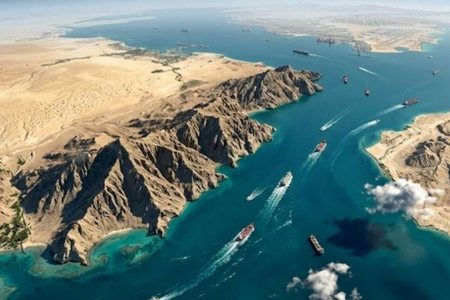
Elementi kryesor që e shndërron dëmin në Gjirin Persik në një tronditje globale është, pa dyshim, Ngushtica e Hormuzit. Siç dihet, ajo është një nga pikat më kritike të tranzitit për rrjedhën globale të naftës dhe tregtinë e LNG-së.
Teksa lufta ka sjellë gati ndalimin e plotë të kalimit nëpër ngushticë ditët e fundit, Agjencia Ndërkombëtare e Energjisë (IEA) e ka cilësuar këtë si “një nga ndërprerjet më të mëdha të furnizimit me naftë në histori”.
Prandaj, kur sulmet ndaj objekteve energjetike në Gjirin Persik përkojnë me ngushtimin de facto të
In Hormuz, the issue is no longer just the loss of exports from regional producers. It becomes a chain reaction of pressure that spreads to the global economy through the costs of oil, LNG, petrochemical feedstocks, and the industries dependent on them.
In fact, Brent crude, which was $70 on February 26, is now trading above $100. But what really matters is that this increase is not just coming from the physical loss of supply.
The market is simultaneously calculating insurance costs, tanker security, port access, force majeure risks and delivery delays. In the future, the geographical security of production capacities and transport routes will be as crucial as the capacity itself.
So, the energy facilities hit in the Persian Gulf are exporting the costs of a regional conflict to global markets. Recent events have shown once again how much the energy system depends on a few specific geographical points and how quickly these points become vulnerable under military pressure.
Therefore, the fundamental question now is not which facility is safe, but how global supply can be ensured in a sustainable, continuous and predictable manner./ Adapted from "Pamphlet" by "Daily Sabah"
Note: Büşra Zeynep Özdemir, energy researcher at SETA Foundation, Ankara.





Prodhimi i automjeteve me bateri elektrike krijoi mundesine e fitimeve kolosale nga eleminimi i automjeteve me karburant e shitja e atyre elektrike, natyrisht me cmime astronomike. Meqenese burimet naftembajtese jane ne vende qe nuk kane industri te shumeaneshme duke ua injoruar karburantin do realizoje kethimin e arit qe kane akumuluar te paguajne teknologjine e re. Grykesia e papare e firmave te nderlidhjes celulare, internetit, industrise elektronike, e kjo e fundit e energjise se baterive qe ka bere "revolucion" ne ekonomine e globit, do i shihet shume shpejt ana e pasme e medaljes. Ata qe dikur kane qene te nenshtruar, perbuzur e shtypur nga te tjeret e kane sot bankat, kujtojne se do vene boten nen thunder por gabohen se do i mundesojne vehtes zhdukjen totale.