


 Shkruar nga Pamfleti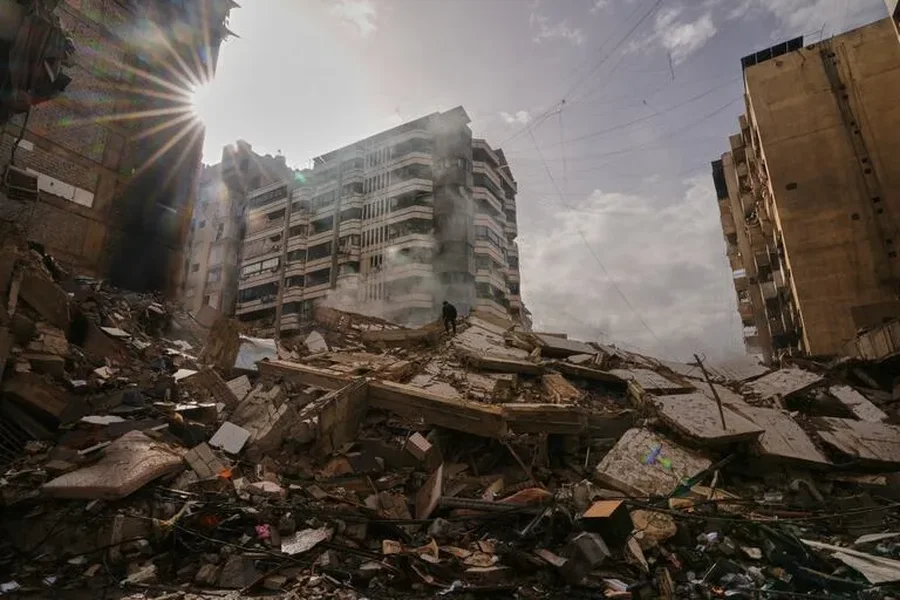
Documentary director Monika Borgmann, a German-Lebanese, says that Hezbollah is a much more complex structure than a terrorist organization and that Lebanon faces a deep political and social crisis.
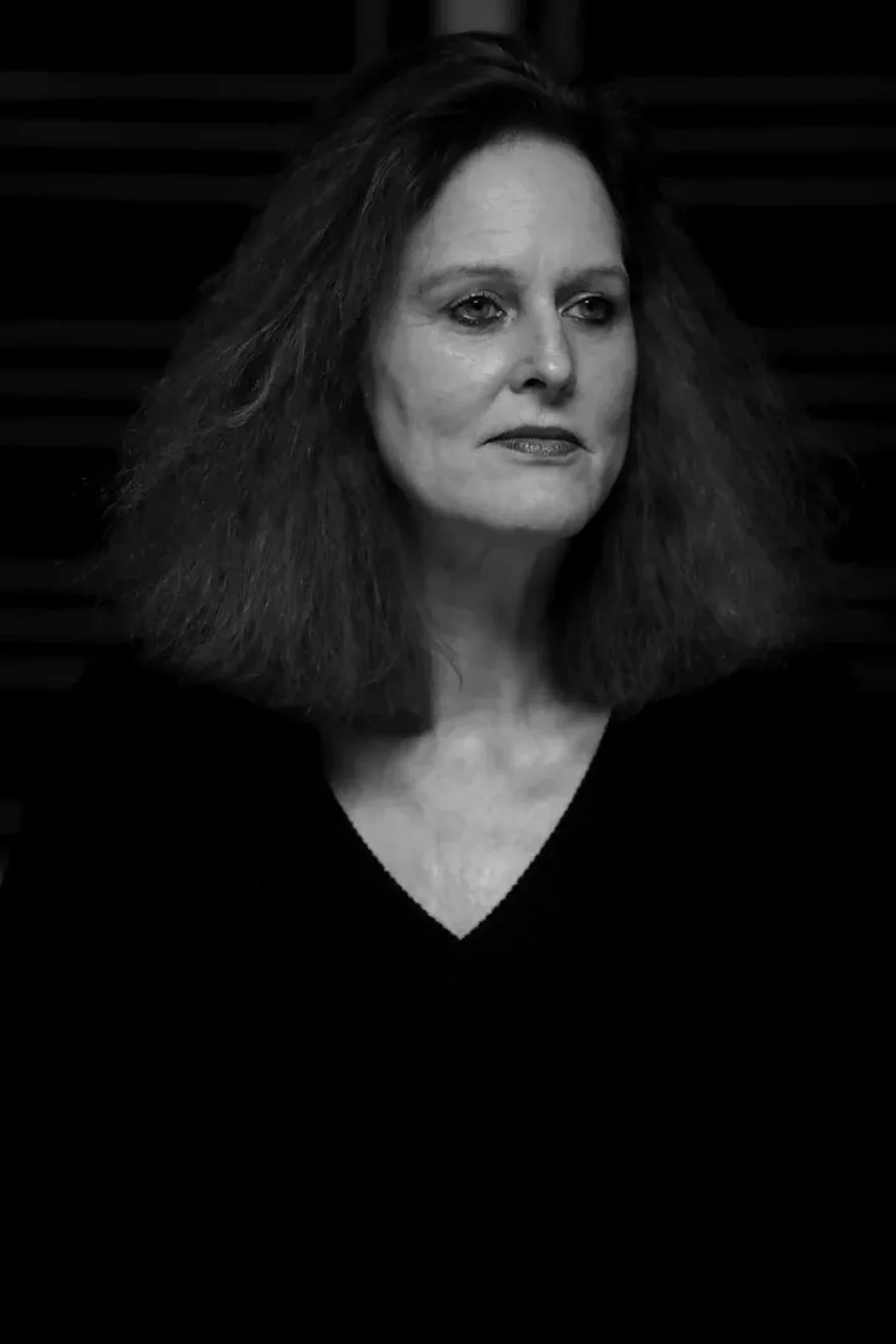
Monika Borgmann, an award-winning German-Lebanese documentary filmmaker and journalist, does not hesitate to speak her mind. Even though in 2021 the Hezbollah group shot and killed her husband, Lokman Slim, an intellectual and journalist from Lebanon's secular Shiite community whose critical voice troubled the pro-Iranian group that also functions as a political party in the country, she continues to speak out.
In an interview with the newspaper LA NACION, in her studio in the Badaro neighborhood, Borgmann explains that nothing is black and white in an extremely complex country like Lebanon. She herself was forced to flee her home in the Dahiyeh neighborhood, south of Beirut, which has often been the target of Israeli bombings. According to her, Hezbollah is not just a terrorist organization, but something much more complex: "it is a large mafia infiltrated into a state that practically does not exist."
As explosions echo in the background, Borgmann, sipping coffee and smoking, expresses concern about the “madness” of this war that has plunged Lebanon once again into a spiral of violence even more severe than previous conflicts. After a bombing last Thursday in the Burj Hammoud neighborhood, in the heart of Beirut, she was forced to close a photography exhibition organized by the Lokman Slim Foundation, which she runs, entitled “Remaining.” The exhibition was dedicated to 21 victims of political assassinations in Lebanon over the past twenty years. “This has never happened to us before,” she emphasizes.
When asked what distinguishes this war from previous ones, Borgmann says the main difference is the lack of a perspective on the end of the conflict. According to her, during the wars of 2006 and 2024 there was a belief that at some point the war would end. “Now we can’t even imagine when and, above all, how it will end,” she says.
According to Borgmann, Hezbollah is currently in “survival mode” and will try to resist until the end. Iran is also in a similar situation. She adds that after the assassination of Hassan Nasrallah, Hezbollah’s main leader, in September 2024, the organization is completely under Iranian control, while previously it had a more pronounced Lebanese dimension. At the same time, Israel is determined to defeat this group.
Shumë libanezë menduan se pas vrasjes së Nasrallah dhe liderëve të tjerë në vitin 2024, Hezbollah ishte dobësuar ndjeshëm. Borgmann pranon se një perceptim i tillë ekzistonte, por shton se organizata nuk reagoi menjëherë ndaj sulmeve selektive izraelite sepse po përgatitej për një luftë të re, gjë që sipas saj edhe ndodhi.
Ajo rrëfen gjithashtu përvojën e saj personale pas kthimit në fund të vitit 2024 në lagjen Dahiyeh. Për herë të parë, shumë banorë kritikonin hapur Iranin sepse nuk kishte ndihmuar Hezbollah. Në muajt që pasuan u rrit zemërimi, pasi shumë njerëz prisnin ndihmë financiare për të pastruar rrënojat dhe për të rindërtuar shtëpitë e shkatërruara nga sulmet izraelite. Sipas saj, ndryshe nga viti 2006, kompensimet nuk erdhën dhe Hezbollah nuk mori përsipër rindërtimin.
Situata u përkeqësua kur Hezbollah lëshoi raketa drejt Izraelit për t’u hakmarrë për vrasjen e ajatollahut Khamenei në Iran. Sipas Borgmann, banorët e Dahiyeh mbetën të tronditur, pasi rindërtimi i dëmeve nga lufta e mëparshme nuk kishte nisur ende dhe vendi u përball sërish me shkatërrime nga kundërpërgjigjja izraelite.
Në komunitetet e tjera libaneze, shumë njerëz fajësojnë Hezbollah për përfshirjen e vendit në një konflikt të ri. Borgmann vëren se solidariteti ndaj të zhvendosurve është më i ulët se në vitin 2024. Në disa lagje të krishtera, sunite ose druze, banorët nuk janë të gatshëm të presin refugjatë shiitë nga frika se prania e tyre mund të sjellë bombardime të reja. Sipas saj, kjo po krijon tensione të reja shoqërore.
Kur pyetet nëse ekziston rreziku i një lufte civile, Borgmann thotë se nuk e di se çfarë mund të ndodhë, por shton se do ta preferonte një konflikt të brendshëm sesa një pushtim izraelit. Ajo thekson edhe rolin e ushtrisë libaneze, rreth 40% e së cilës përbëhet nga shiitë, por jo domosdoshmërisht mbështetës të Hezbollahut. Pyetja kryesore, sipas saj, është nëse ushtria është e gatshme të përballet me këtë grup për ta çarmatosur.
Sipas Borgmann, nëse Libani nuk e zgjidh vetë këtë çështje, Izraeli do ta bëjë. Ajo paralajmëron se përplasja mes ushtrisë libaneze dhe Hezbollah mund të bëhet e pashmangshme, nëse vendi dëshiron të shmangë një shkatërrim edhe më të madh.
Regjisorja e përshkruan Hezbollah si një strukturë të ngjashme me një mafie: një aktor jo-shtetëror i infiltruar në një shtet të dobët. Për këtë arsye, sipas saj, problemi nuk është vetëm çarmatosja e grupit, por edhe kryerja e reformave që do t’i bënin qytetarët më pak të varur nga shërbimet që ofron organizata.
Ajo thekson se Hezbollah nuk mund të reduktohet thjesht në një organizatë terroriste, pasi ka një sistem shëndetësor, banka, përfaqësues në parlament dhe një prani të thellë në strukturën e shoqërisë libaneze. Sipas saj, kjo e bën realitetin shumë më kompleks.
Borgmann is skeptical about the Lebanese state's ability to carry out the necessary structural reforms, but believes this is the only way out of the crisis. In the short term, she says she cannot predict developments, but hopes that the war will not last long and completely destroy the country.
She adds that the level of destruction is unprecedented for Lebanon and that it is clear that weapons are being used that cause much greater damage than in previous conflicts.
Regarding the international response, Borgmann believes that the international community has been largely absent, although UN Secretary-General Antonio Guterres has visited the country. According to her, if the Lebanese army had disarmed Hezbollah earlier, the country would have had international support and funding for the necessary reforms.
She concludes that international attention is now focused mainly on Iran, while Lebanon remains in a very difficult situation. /Adapted from Pamphlet /


Lini një Përgjigje