


 Shkruar nga Pamfleti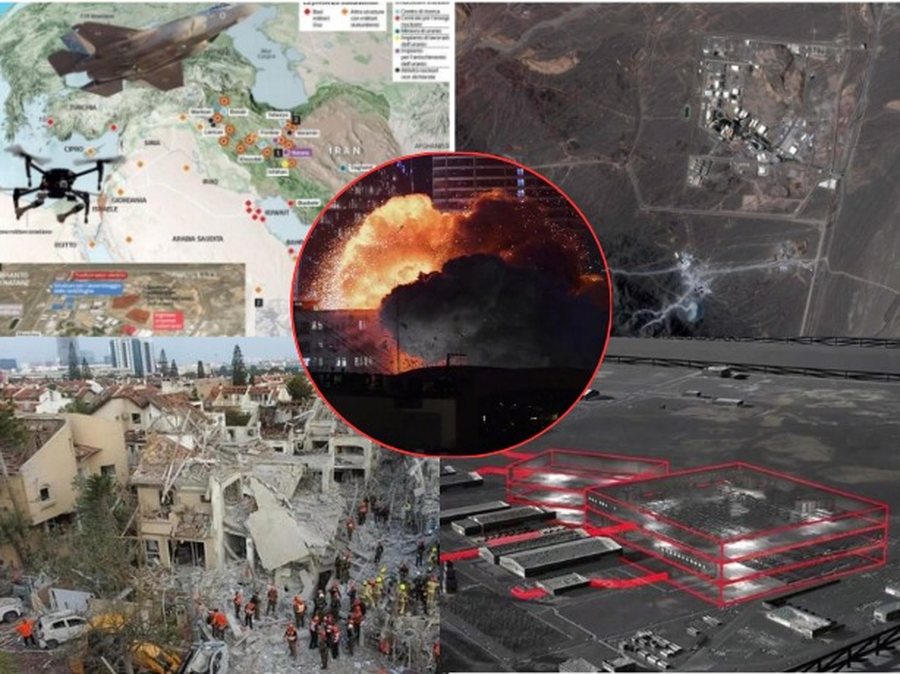
According to Iranian authorities, damage was caused "on the surface", while Israeli sources claim that underground areas, where many sensitive equipment is located, were also hit.
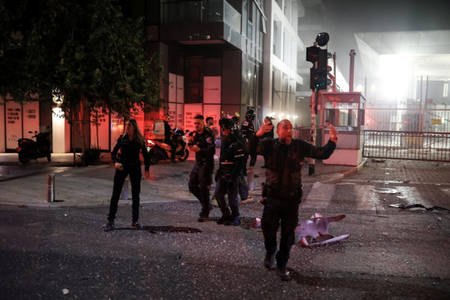
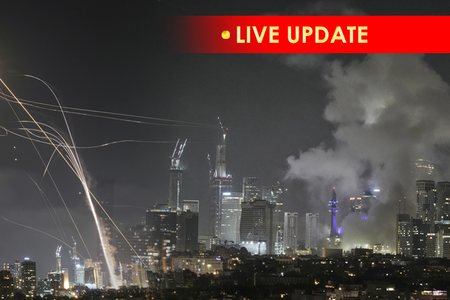
During the night between June 12 and 13, Israel launched a powerful attack on facilities related to the Iranian nuclear program.
1. Where and how effective was the attack?
The main attack targeted the Natanz site, which consists of three underground buildings and is located about 220 kilometers southeast of the capital Tehran. According to Iranian authorities, damage was caused “on the surface”, while Israeli sources claim that underground areas, where many sensitive equipment are located, were also hit. Other attacks targeted plants in Tabriz, Arak, Fordow and possibly even the capital. Some reports speak of a series of explosions near this site. Israeli military (IDF) spokeswoman Effie Defrin also confirmed the attack on the uranium enrichment center in Isfahan, in central Iran. At least seven scientists, key figures in advancing research, were killed. However, time is needed to assess the overall impact, as the offensive is only in its early stages and the Jewish state has announced that it will continue for several days.
2. What were the other objectives of the IDF?
At least six bases, missile and radar sites, missile launchers, infrastructure and anti-aircraft equipment have been hit. Residences located within two military-run complexes have also been targeted, as well as palaces where researchers or officers lived. About twenty senior officials have been eliminated in the attacks – practically, the heads of the Revolutionary Guard command and the most strategic apparatuses. An attempt to dismantle the leadership and make it more difficult to take revenge on the Jewish state.
3. How close were the Iranians to building the atomic bomb?
The report published last week by the International Atomic Energy Agency (IAEA) highlights the "general lack of cooperation" on the part of the Islamic Republic and reiterates that Iran already has uranium enriched to 60% purity, enough to build nine atomic bombs.
Raphael Grossi, the director general of the IAEA, had stated in an interview with Corriere della Sera: “There is a difference between material and equipment. From the material point of view they are far ahead: they already have it. Over the years they have accumulated sufficient quantities. But to build an atomic weapon other technologies are needed: not impossible for the Iranians. They themselves have stated: 'We have all the pieces of the puzzle.'” For the first time in twenty years, the IAEA has officially accused the Islamic Republic of violating its nuclear commitments.
4. What was the IAEA alert? Is there a radiation risk now?
Last week's IAEA report served as a warning signal for the implementation of the attack plan on Iran, which has been in the works for at least eight months. Just two days ago, for the first time in twenty years, the IAEA formally accused the Islamic Republic of violating commitments on its nuclear program.
At a meeting in Vienna, the governing board of the international watchdog adopted a resolution denouncing “multiple violations” committed by Tehran in providing full answers about its nuclear activities. Of the 35 member states, 19 voted in favor, with the support of the US, the UK, France and Germany. The report included a key phrase that reinforces the convictions of the Israeli government – which has long believed that the only way to stop the ayatollahs is military: “The IAEA states that it cannot guarantee that the Iranian nuclear program is exclusively for peaceful purposes.”
Yesterday evening, following the IDF attacks, IAEA director Grossi said that "the level of radioactive activity after the attack has remained unchanged, indicating the absence of external radiological impact on the population or the environment," but also said that there was "radiological and chemical contamination inside the facilities."/ Corriere Della Sera



Lini një Përgjigje