


 Shkruar nga Paolo Rossetti
Israel has logistical and economic difficulties: it is not easy to maintain two open fronts against forces that are not regular armies, but two militias deeply rooted in the territory where they fight.
One should not ask why General Benny Gantz resigned from Israel's war cabinet, ending the season of the so-called government of national unity, but why he waited so long, given what Netanyahu and the far right have done so far what they wanted, without listening to him or anyone else.
And they will continue to behave as they have until now, says Ugo Tramballi, editor of Il Sole 24 Ore and ISPI scientific advisor, remaining increasingly isolated from the world. A situation which Israel may pay dearly in the long run, leading in the post-war period not only to Israeli control over the Gaza Strip, but also to its occupation with new colonies, with a program similar to the one followed already on the West Coast.
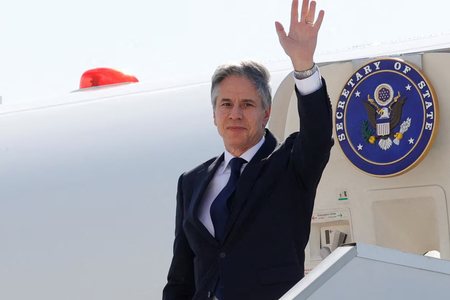
In short, the Palestinians risk being expelled from their territories. On the other hand, the Netanyahu government has the votes that allow it to maintain a majority in parliament, and public opinion is not against continuing the conflict until the destruction of Hamas, although this goal is unlikely to be achieved. Meanwhile, Blinken returns to the Middle East: to Egypt, Jordan, Israel. Another diplomatic mission, which so far has not achieved anything great.
What consequences would Gantz's resignation bring?
His departure is further evidence of Netanyahu's international isolation. But from an internal point of view, nothing changes. Because Gantz resigned from a structure that is not an official institution of the state of Israel, but a war cabinet to advise the prime minister.
What matters is that the current government still has a parliamentary majority in the Knesset, and it is a far-right government. In any democratic country, even though Israel is an "ethnic" democracy, i.e. mainly for Jews and not for Arab citizens, what matters is the majority. As long as Bibi Netanyahu does not lose at the parliamentary level, he will continue to stay in office.
So the chances are that his government will not fall?
There is no sign that he may lose support. The other two elements that form the government along with Likud are the ultra-religious Haredim, who do not care about Zionism, who have everything to gain thanks to the economic aid they receive from the government. Then there are the nationalist-religious settlers, who are extremists and have no reason to disagree, as Netanyahu continues to listen to them. Therefore, nothing will change in this regard.
A ishte vetëm formal apeli i kryeministrit drejtuar Gantz që të qëndronte në këtë post? Apo tani Netanyahu është më i kënaqur? Dhe a do të ketë më pak hapësirë për manovrim Sekretari amerikan i Shtetit Blinken, tani që gjenerali izraelit nuk është më pjesë e kabinetit të luftës, duke qenë se ai konsiderohet shumë i afërt me Shtetet e Bashkuara?
Apeli i Netanyahut është një akt i domosdoshëm:në njëfarë mënyre atij do t’i duhet uniteti kombëtar për të mbetur në krye të vendit, natyrisht bazuar tek programi i tij. Por pyetja e vërtetë, nuk është pse u largua Gantz, por pse e bëri këtë tani. Ai duhet të ishte larguar disa muaj më parë.
Megjithatë, gjenerali nuk do të tërhiqet nga vendimi i tij. Ai u tregua shumë i ashpër edhe me Netanyahun, duke thënë se lufta mund të kishte mbaruar që disa kohë më parë, dhe se ajo po vazhdon vetëm sepse është në interesin e kryeministrit.
Sa i përket SHBA-së, Uashingtoni dërgoi në Izrael fillimisht Këshilltarin e Sigurisë Kombëtare dhe tani Sekretarin e Shtetit Blinken. Por tani është e paqartë se çfarë po bëjnë ata. Po ashtu, për shkak se në pak më shumë se një muaj Knesset nis pushimet verore, parlamenti mbyllet, dhe asgjë nuk do të ndryshojë deri në tetor. Për këtë arsye, Netanyahu do të ecë përpara siç ka bërë deri më sot.
Fakti që Gantz largohet nga kabineti, do të thotë se në vend mund të ketë një opozitë më të fortë? Dhe kush do ta zërë vendin e tij në kabinetin e luftës? Një emër i përfolur është Ben Gvir. A do të thotë kjo se do të shohim operacione ushtarake edhe më brutale në Rafah, në zona të tjera të Gazës, dhe ndoshta edhe në Liban?
Nuk mund të imagjinosh asgjë më brutale se sa kjo që po ndodh tashmë. Sigurisht, me Gantz jashtë kabinetit të luftës, opozita është më e bashkuar. Unë shpresoj që ata të mësojnë nga përvoja e Indisë dhe të krijojnë një aleancë, duke formuar një front opozitar.
Megjithatë, nëse nuk do të ketë një grusht shteti ushtarak, gjë që është e paimagjinueshme, qeveria Netanyahu do të qëndrojë në detyrë derisa t’i mbarojë mandati. Falë shumicës së saj parlamentare do të vazhdojë si tani.
Çfarë do të ndryshojë nga pikëpamja operacionale, pra e menaxhimit të luftës? Amerikanët nuk do të kenë me një ndërmjetësues si Gantz?
Në fakt më kot u shpresua tek ai, pasi Netanyahu vazhdoi të bënte atë që donte. Ai nuk iu përgjigj gjeneralit, kur ai i kërkoi të hartonte një program të pasluftës, dhe as Joe Biden që bëri të njëjtën kërkesë. Gjithçka mbetet si më parë. Por ekziston rreziku që qeveria izraelite të ketë tani më shumë dorë të lirë për të hapur frontin e ri të luftës në Liban, edhe pse mua më duket e vështirë.
Israel has logistical and economic difficulties: it is not easy to maintain two open fronts against forces that are not regular armies, but two militias deeply rooted in the territory where they fight. I believe that the idea of opening a new front is the "last bullet" that Netanyahu is holding and can use in case he loses the majority in the government. But I find it difficult to reach this scenario.
So what is the expected scenario now?
To continue as during the last 8 months. In fact, Netanyahu feels even freer from domestic pressures. Also because the majority of the Israeli population is in favor of continuing the war until the elimination of Hamas, despite the fact that the latter will never disappear, and it shows this every day.
So the current government will maintain its electoral base, and not fall?
Yes, it has a small majority. But Israeli governments, whether right or left, have always had a majority of this type, being an essentially proportional system.
Will the Israelis occupy Gaza after the war?
Once the war ends, the idea is to re-colonize Gaza, expel the Palestinians, and expand the current settlements in the West Bank. All according to their old programs, and being more and more isolated from the world./ Adapted "Pamphlet", from "Il Sussidario".




Lini një Përgjigje