


 Shkruar nga Pamfleti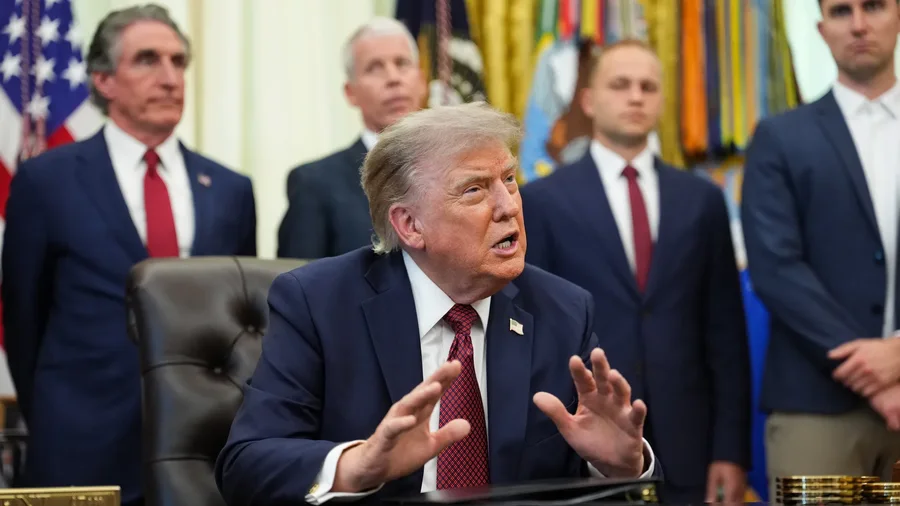
United States President Donald Trump has ordered the US military not to carry out new attacks on Iran, halting a nearly two-week series of daily strikes, two sources familiar with the decision said.
According to Axios' sources, Trump had approved attack plans every day for the past 13 days, but this time decided not to give the green light to a new military operation. It is not yet clear whether this is a temporary suspension or a more permanent change in US strategy.
The decision reflects, on the one hand, the president's willingness to give more space to diplomacy and, on the other, the assessment that the current level of attacks has reached the limit of its effectiveness, as long as a decision is not made for a major military escalation.
The sources emphasize that the US military remains capable of resuming attacks within a short time if the president orders it. Meanwhile, the Pentagon continues to prepare plans for a possible return to broader combat operations, but so far Trump has not given such an order.
Trump: It's wiser to reach a deal
Every afternoon for the past two weeks, the president had approved attack plans presented by the military, which were carried out just a few hours later.
On Friday, he received a similar plan but decided not to authorize the strike. Shortly after the decision, Trump told reporters at the White House that the US retains the option to continue or even intensify the attacks, "destroying everything they have."
However, he stressed that he believes the "smartest" strategy is to reach an agreement with Iran.
" We are talking to the Iranians. I think they are getting more and more serious as the days go by. We are fully prepared and ready to act, but we are having talks with them ," Trump declared.
Later, during the White House Correspondents' Association dinner, he added that he doesn't think Iran is ready for a deal yet, "but I'm willing to listen."
Israel expected new attacks
According to Israeli officials, the security cabinet and the Israel Defense Forces were expecting a new wave of American attacks on Friday and were also preparing for a broad offensive that could trigger an Iranian counterattack against Israel.
Israeli authorities did not have a complete picture of the American plans and, therefore, maintained a high level of alert. It was only on Friday evening that they were informed that Trump had decided not to authorize new attacks.
The US president's decision came just hours after an Omani delegation arrived in Tehran for negotiations on a new agreement aimed at reopening the Strait of Hormuz.
Two regional sources familiar with the negotiations said talks had made progress and that an agreement between Oman and Iran could be reached over the weekend.
If that happens, Trump will have to decide whether to accept the proposed deal.





Lini një Përgjigje