


 Shkruar nga Pamfleti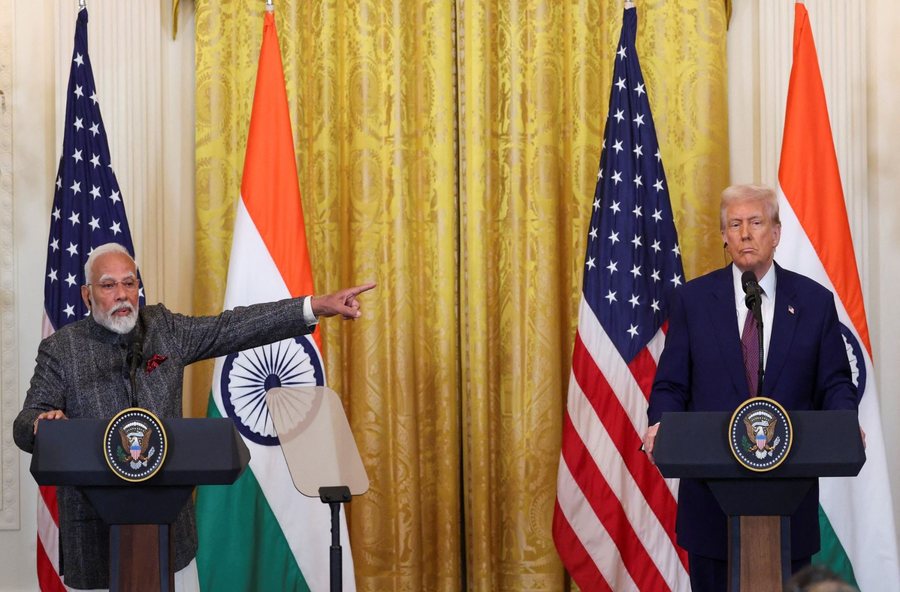
From "Howdy Modi" to oil revenge: How the strategic love affair between the US and India broke down
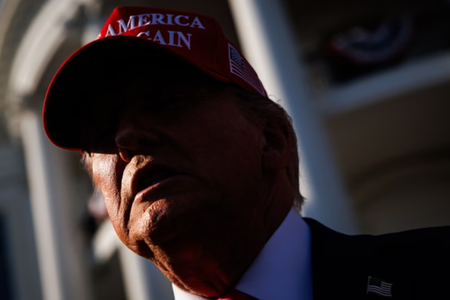
The once-coveted relationship between Indian Prime Minister Narendra Modi and US President Donald Trump has soured significantly, marking a sharp turn from the days of "Howdy Modi" in Houston and the "Namaste Trump" spectacle in Ahmedabad, where over 100,000 people packed a stadium to welcome the US presidential family.
Today, Modi feels humiliated by the one he once called his “true friend.” For more than a decade, he has carefully built the image of a global leader, embracing world leaders. Now, he faces the public scorn of one of the most powerful.
The opposition in India has wasted no time in exploiting this situation, urging Modi to retaliate in the interest of the nation. But so far, he has chosen to remain silent.
The clash started in Pakistan and exploded on Twitter
The genesis of the standoff began in May, after a four-day escalation of the conflict between India and Pakistan. Trump declared on social media that he had brokered a ceasefire between the two nuclear powers, an action that preceded the formal agreement of the leaders involved.
Pakistani Prime Minister Shehbaz Sharif immediately responded by thanking Trump and nominating him for the Nobel Peace Prize. The new trade relationship between Pakistan and the US has begun to explore cooperation in cryptocurrencies and mining.
Meanwhile, Modi's government has remained silent and praised the military for pressuring Pakistan, completely ignoring Trump's self-proclaimed mediation effort, which has mentioned the episode over 30 times publicly.
Furthermore, Trump has expressed a willingness to intervene in the sensitive issue of Kashmir, an intolerable taboo in Indian domestic politics.
The peak of the tension came when the US imposed an additional 25% tariff on Indian products as punishment for buying cheap Russian oil, bringing the total to 50%, among the highest in the world. The US government justified this as a matter of national security, fueling the war in Ukraine.
Peter Navarro, Trump's trade adviser, called the Russia-Ukraine conflict "Modi's war," adding that "the path to peace runs, at least in part, through New Delhi."
"India has become the Kremlin's biggest laundromat for oil money. It's very simple: if it stops buying Russian oil, India can immediately get a 25% reduction in tariffs," Navarro said.
Even though China is the largest buyer of Russian oil, it has remained unaffected by these sanctions.
From just 3% in 2021, Russian oil now accounts for over 40% of India's imports, making Moscow its main supplier. India justifies this with the need for energy security and promotes "swadeshi" - a doctrine of economic self-sufficiency.
New Delhi on course review: From Washington to Beijing and Moscow
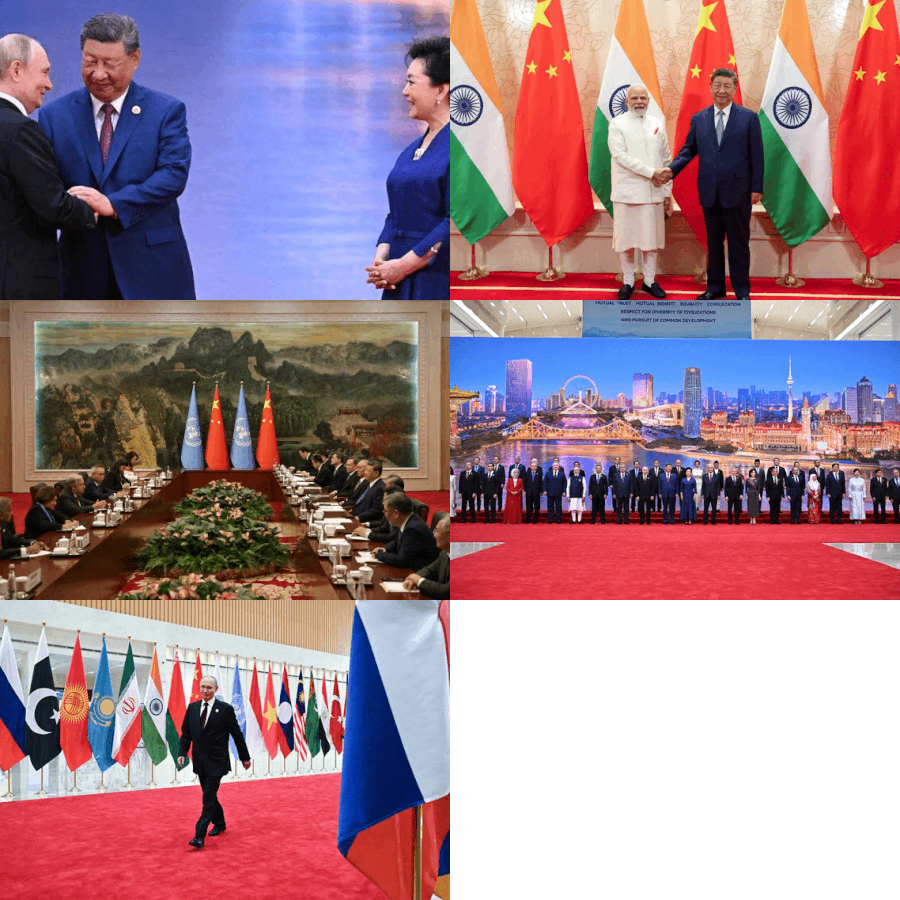
Sensing Trump's indecisiveness and Washington's retribution, India has embarked on a deep strategic review. Ahead of the Shanghai Summit in Tianjin, a series of intensive meetings have taken place between the foreign ministers of India, China and Russia.
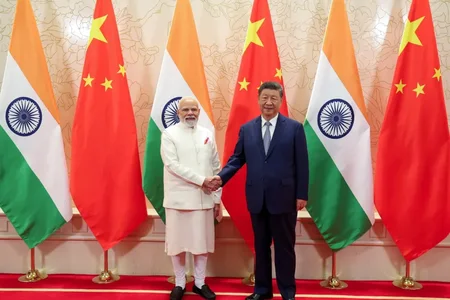
Modi's visit to China is his first in seven years and follows a fatal clash in May 2020 that killed 20 Indian soldiers. Relations between the two countries entered a deep freeze, while the sharing of more than 3,000 km of unmarked border has remained a source of constant tension.
The Traditional Alliance with Russia: From the Cold War to Military Cooperation
India and Russia have a long history of cooperation, dating back to the Cold War, when India was on the Soviet side and the US favored Pakistan. The partnership has been particularly strong in the field of defense: about 65% of India's military purchases in the past two decades have come from Russia, according to SIPRI.
Although Delhi is trying to diversify supply by collaborating with the West, complicated technology and bureaucratic procedures slow the process.
In his bilateral meeting with Modi, Chinese President Xi Jinping stated: “The two countries should deepen mutual trust, see development as an opportunity rather than a threat to each other. We should maintain peaceful coexistence and not let border issues define the entire China-India relationship.”
Xi added: "Being good neighbors, partners for common success, and realizing the 'dance of the dragon and the elephant' is the right choice."
Modi, on the other hand, stressed: “Both countries should pursue strategic autonomy and not allow relations to be viewed through the lens of a third country.”
Is the Indo-Pacific axis shifting?
The Shanghai summit and the Modi-Xi-Putin bilateral meetings are expected to be analyzed in detail by global analysts. But the greatest attention will be on Donald Trump's reaction and the future course of US policy towards India, an undecided ally that could shift towards the Asian orbit. / Adapted from "Sky News"


Lini një Përgjigje