


 Shkruar nga Pamfleti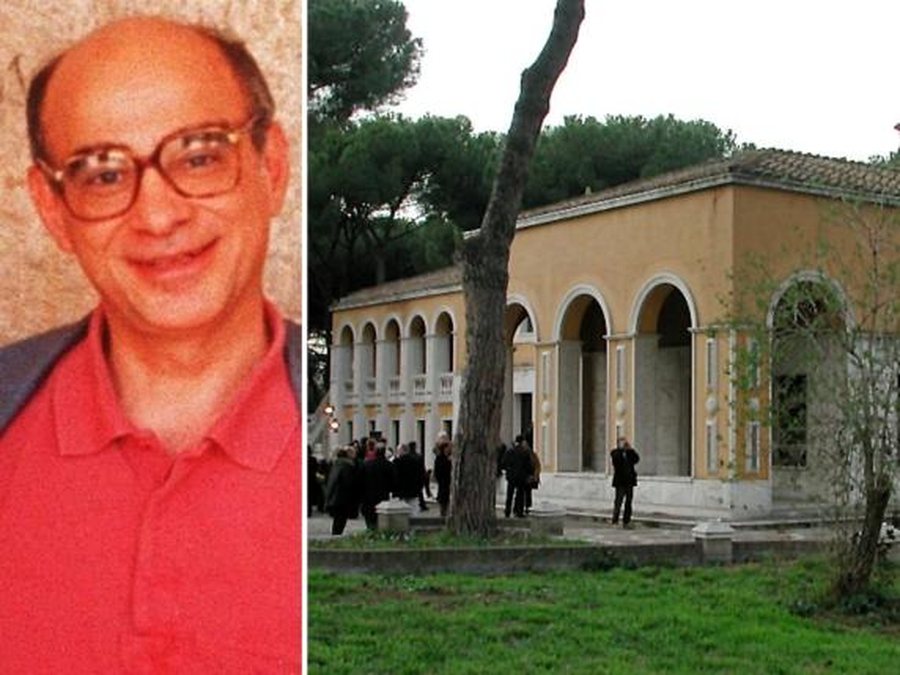
After three decades of mystery, investigations into the disappearance of judge Adinolfi focus on the mafia and ancient galleries
After 31 years of mystery, Italy may be very close to solving one of the darkest enigmas of its justice system: the disappearance without a trace of judge Paolo Adinolfi, which occurred in the summer of 1994 in Rome.
It was July 2 of that year when Adinolfi, then 45, left his home in the Farnesina area, telling his family he would be back for lunch. He never returned. His car was later found abandoned in the Villaggio Olimpico, but the judge himself disappeared without a trace.
At the time, Paolo Adinolfi had just been appointed to the Rome Court of Appeal, having previously served for many years in the Insolvency sector of the Court of Rome, a highly sensitive office that deals with business cases in crisis and is often linked to highly influential criminal and economic interests.
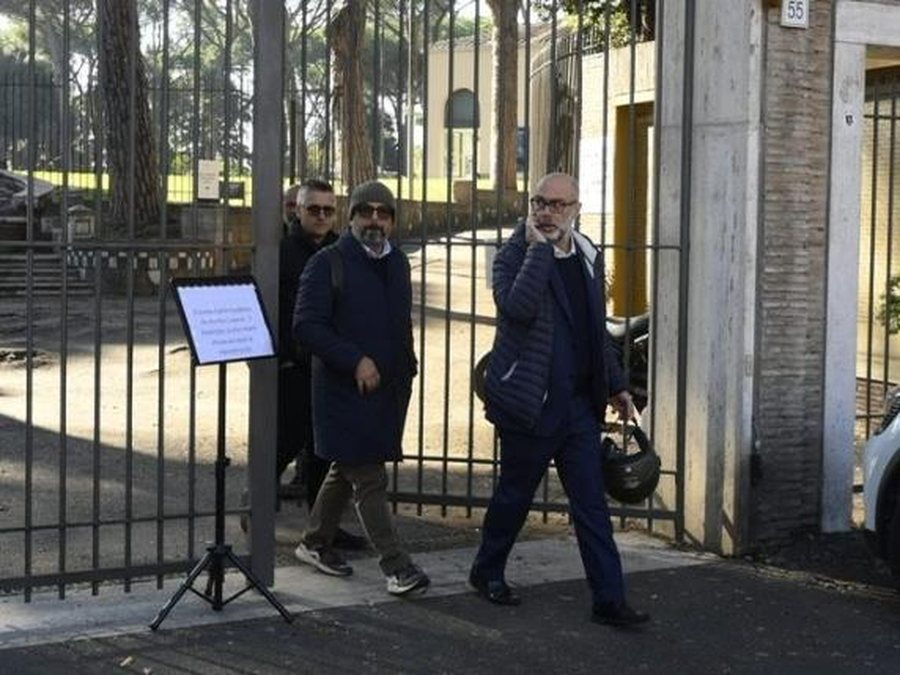
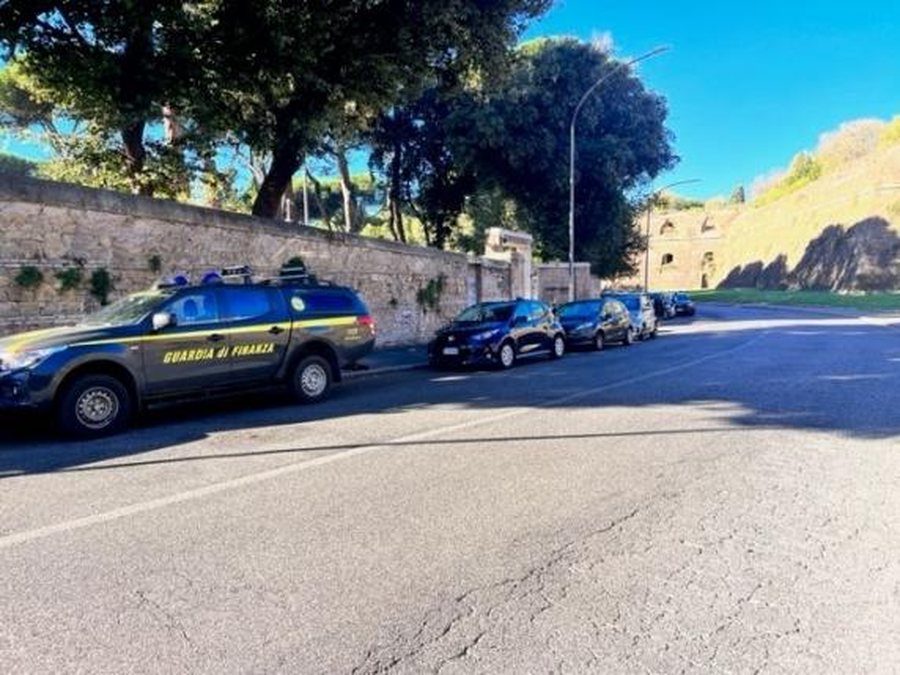
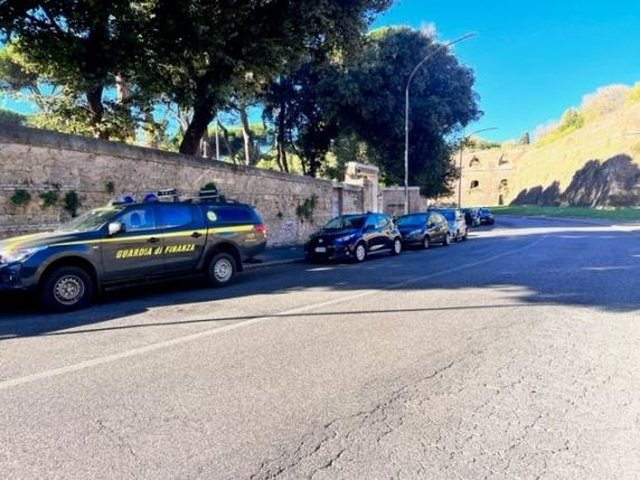
Today, after three decades of failed investigations, forgotten leads and unanswered archives, Italian authorities have resumed their search. Since Thursday morning, the Carabinieri, Guardia di Finanza, police and archaeologists from the Directorate of Monuments have begun excavations under the Casa del Jazz, a renowned cultural complex in Rome, built on property once seized by organized crime.

Investigators suspect that there are unexplored ancient Roman galleries underground, which could have been used to hide something, perhaps even the body of the missing judge. Sniffer dogs are searching every space, while workers have begun to open passages in the ground in areas indicated by investigators.
The decision to open this new investigation came after an official request from former judge Guglielmo Muntoni, who believes that this hidden gallery could contain something important for the case. "We are not looking for anything specific, but it is necessary to verify every lead related to the properties seized by the Banda della Magliana," declared the prefect of Rome, Lamberto Giannini.
The judge's family, who have been waiting for decades for an answer, are anxiously following developments. "I learned about this initiative this morning. At this point, there is only one thing we can do, wait. We hope that after so many years the truth will be revealed," said lawyer Lorenzo Adinolfi, the son of the missing judge, who immediately went to the excavation site.
Doubts about the fate of Paolo Adinolfi have been numerous. One of the strongest leads is the one that links his disappearance to the Banda della Magliana, the notorious mafia organization that controlled Rome from the 1970s to the early 1990s. During the period when Adinolfi worked on bankruptcy cases, he had handled sensitive files such as that of the company Fiscom and then Ambra Assicurazioni, which involved figures with known links to the underworld, including Enrico Nicoletti, considered the financial treasurer of the Banda.
For years, it has been rumored that the judge may have been eliminated due to his knowledge of the Gang's economic network and may have been buried on one of the properties controlled by it — exactly like the one where Casa del Jazz is located today.
The evidence gathered after the disappearance never provided a definitive answer. One person claimed to have seen the judge on a bus, although he had left by car; another said he had seen him in the court offices in Piazzale Clodio, in the company of an unknown young man. None of these leads were fully verified.
The Banda della Magliana, founded in 1975 by Franco Giuseppucci, Enrico De Pedis and Maurizio Abbatino, was the most powerful mafia organization in the modern history of Rome. It had links to the Sicilian Mafia, the Neapolitan Camorra, as well as far-right groups such as the NAR. Its activities included drug trafficking, extortion, kidnapping, contract killings and money laundering. Although it was disbanded after the 1993 “Operation Colosseo”, its influence in politics, the Church and the Italian secret services remains the subject of investigations and conspiracy theories.
If the excavations under the Casa del Jazz lead to any concrete discoveries, Italy could face a dark truth of its history – a possible connection between the judicial system, the Roman mafia and the power structures that for three decades have kept secret the fate of a judge who perhaps knew more than he should have. /Adapted from “Corriere Della Sera”









Lini një Përgjigje