


 Shkruar nga Pamfleti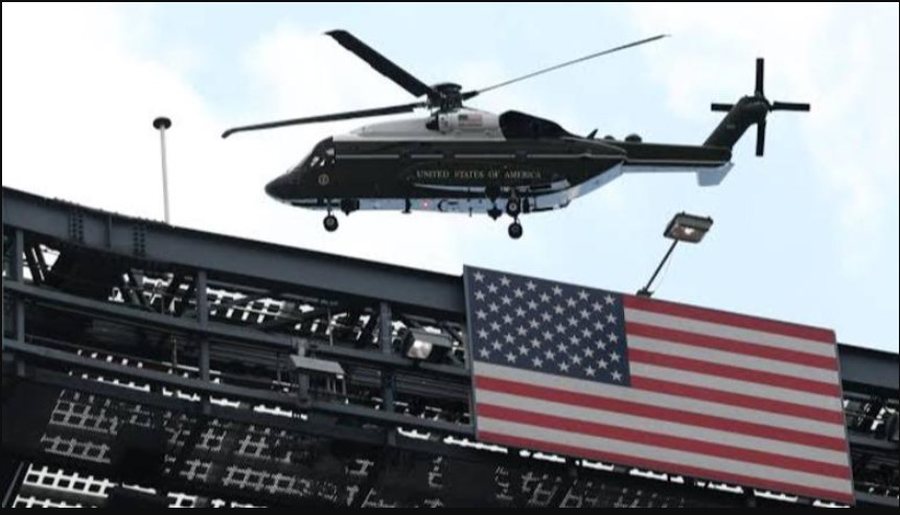
While generating record revenue and viewership figures, the grand final of the World Cup being played tonight in New Jersey between Spain and Argentina is not for the average soccer fan. There is a staggering financial barrier to the event that is capturing global attention, one that only the super-rich can afford.
For days, reports Sportmediaset, helicopters and private jets have been booked to take you to MetLife Stadium. Teterboro Airport in New Jersey, known as a destination for private and corporate jets, has its hangars full. A seat for rent for one night costs 10 thousand euros, while public transportation has also been redesigned to suit billionaires. For ordinary fans, mobility is a nightmare: trains have been reduced to a minimum and at exorbitant prices, bus services are almost non-existent and taxis (including Uber and rental services) must stop at least two kilometers from the gates of MetLife Stadium.
Helicopters are an alternative. Those arriving from Manhattan will pay about $6,000 for a four-minute flight. Once they land, they must travel 10 kilometers to the stadium in an armored Spinter provided by FIFA and costing $1,000.
Stadium ticket prices are also stratospheric, reaching up to $2 million. For the first time in World Cup history, dynamic pricing was introduced, a typical American mechanism in which ticket prices fluctuate based on demand. The result? Prices have become a hot topic. The cheapest prices in the intermediate stadium category range from €4,800 to €5,785 on official channels. In category 4, they go up to €32,000, while VIP and luxury stands are worth $2 million.
As a result, the stands at MetLife Stadium will be filled primarily with wealthy tourists, representatives of multinational sponsors, and corporate employees who have received tickets as commercial benefits. For at least ninety minutes in New York, the origins of soccer, once considered a sport for the poor, will be forgotten.
These data, according to 'The Guardian', have led FIFA to exceed the profits expected from organizing the World Cup. It will not be 11 billion dollars as initially predicted, but 15 million dollars. Most of the income is due to dynamic tickets, since in the specially created market FIFA benefits 15% of the price from the seller and the same from the buyer. In total, 30% of the price from resold tickets has benefited FIFA. It is estimated that by today's final, the stadiums in the World Cup have been attended by 6.7 billion fans.







Lini një Përgjigje