


 Shkruar nga Pamfleti
Experts warn that in the event of an attack on the Iranian energy sector, Tehran could expand its list of targets to include critical regional infrastructure, such as desalination plants that supply drinking water to millions of residents in Gulf countries.
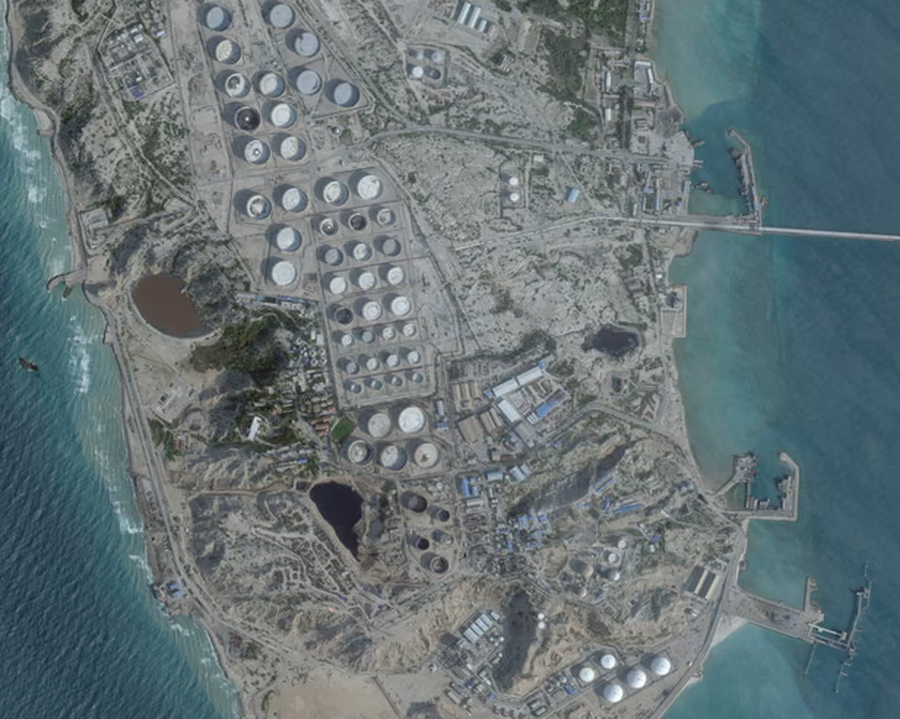
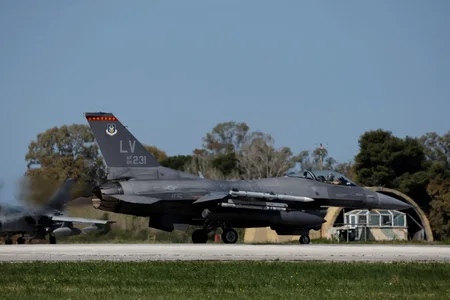
Just three hours before the launch of a new American military operation against Iran, US President Donald Trump has decided to cancel the attack, citing progress in negotiations with Tehran and the possibility of an agreement to reduce tensions.
According to NBC News, by the time Trump made his decision public, the US armed forces had already completed operational planning for the intervention. The targets had been selected, while the US Navy had adapted the plans and prepared the munitions for the execution of the attacks.
The report notes that, if carried out, the attacks would have followed a similar pattern to operations carried out two nights earlier against several Iranian military targets. However, contrary to the president's public statements about the possibility of further action, the strategic target of Kharg Island was not included in the operational plan.
According to NBC, the sudden decision to cancel caused confusion within military commands, which were already on full alert for the launch of the operation. Kharg Island, one of Iran's main oil export centers and a strategic hub for the country's economy, has been the focus of recent political rhetoric due to its energy importance. It processes the vast majority of Iran's oil exports and is considered a key point for global energy trade.
Analysts warn that any strike on this infrastructure would have major economic and geopolitical consequences, increasing the risk of escalation in the Persian Gulf region and directly affecting international energy markets.
Meanwhile, the US President declared that a "great deal" has been reached with Iran and that the signing could take place this weekend in Europe, while according to diplomatic sources, a memorandum of understanding between Washington and Tehran could be signed early next week. Trump added that after the signing of the agreement, the Strait of Hormuz is also expected to be reopened.
Why is the US targeting Iran's Kharg Island?
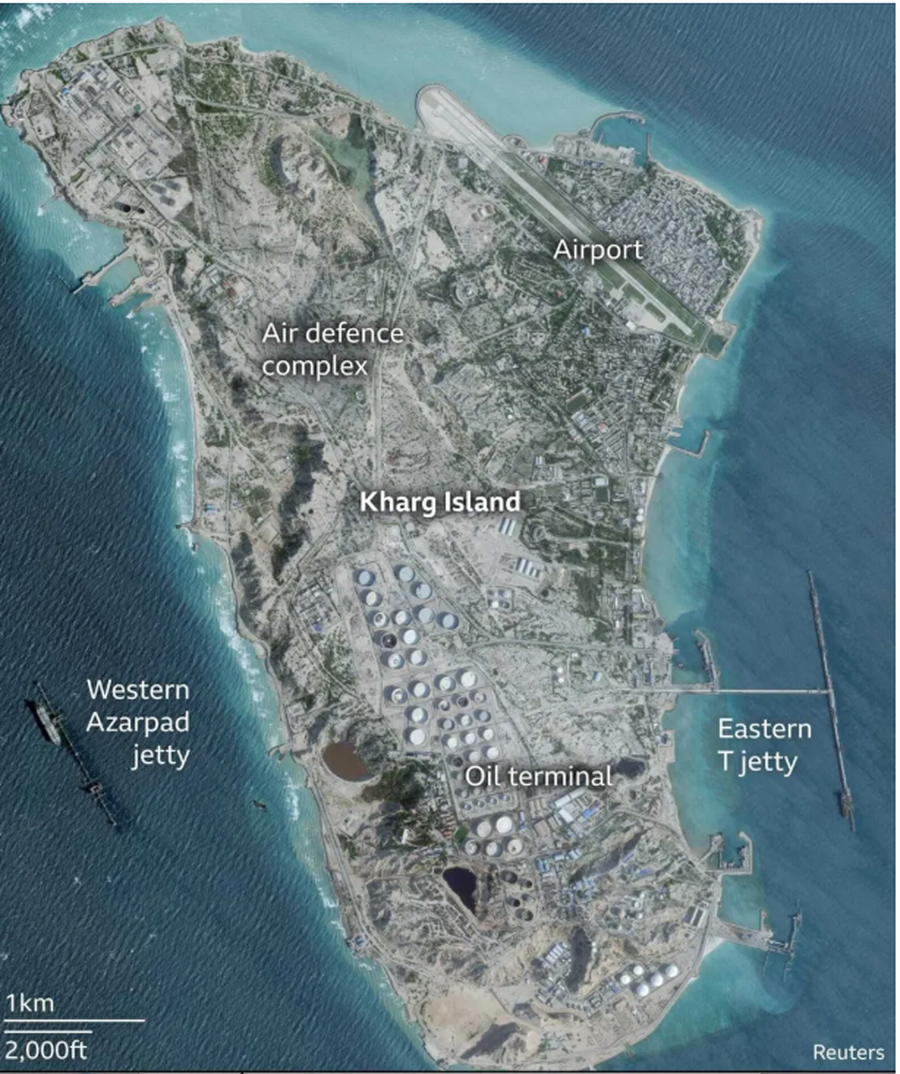
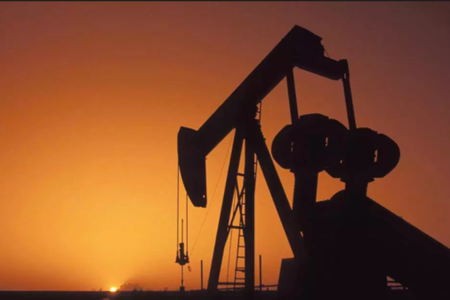
Kharg Island, a small rocky territory located about 24 kilometers off the Iranian coast in the Persian Gulf, is considered the most important point for Iran's oil exports.
About 90 percent of Iran's crude oil is transported through the oil terminal on the island, which arrives via pipelines from the mainland. The terminal is built to receive supertankers with a capacity of up to 2 million barrels of oil, which then transport the cargo to international markets, mainly China, the largest buyer of Iranian oil.
Due to its economic and strategic importance, Kharg Island constitutes an important source of revenue for Iran's Islamic Revolutionary Guard Corps (IRGC).
US President Donald Trump declared on March 13 that US Central Command (CENTCOM) had conducted one of the most powerful air operations in the Middle East, striking military targets on Kharg Island.
According to Trump, the US decided not to attack the oil infrastructure on the island to avoid long-term damage to the Iranian economy.
"We can do this in five minutes. A single order would be enough and the pipelines would disappear. But rebuilding them would take a long time," he declared on March 16.
CENTCOM announced that US forces struck more than 90 military targets, including naval mine dumps, missile bunkers and other military installations, while energy infrastructure was left untouched.
Meanwhile, Iranian state media reported that no oil facilities were damaged. The semi-official Fars news agency said the strikes targeted air defense systems, a naval base, an airport control tower and a helicopter hangar.
Following the attacks, local authorities in Bushehr province stated that oil exports were continuing normally.
Why is the US avoiding energy targets?
Analysts estimate that the destruction of the energy infrastructure on Kharg Island would have serious consequences for the Iranian economy, but would also constitute a major escalation of the conflict.
Such an attack could cause a significant increase in global oil prices and prompt Iran to take countermeasures against energy infrastructure in other Middle Eastern countries.
Despite months of conflict, Iran continues to maintain significant capabilities for launching low-cost drones and large explosive payloads against regional targets and maritime traffic in the Persian Gulf.
Experts warn that in the event of an attack on the Iranian energy sector, Tehran could expand its list of targets to include critical regional infrastructure, such as desalination plants that supply drinking water to millions of residents in Gulf countries.



Lini një Përgjigje