


 Shkruar nga Pamfleti
While the conflict in the Middle East is grabbing all the headlines, the oil market is going down...
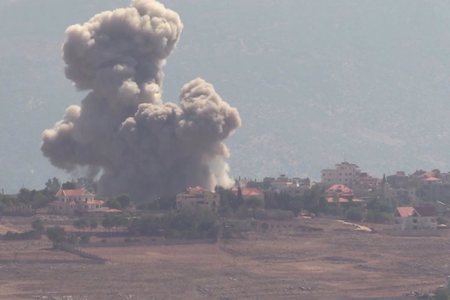
Israel is fighting on at least four fronts, threatening a war across the oil-rich Middle East, but there is not yet a great sense of fear as far as financial markets are concerned.
Israel's actions against Hamas in Gaza, Hezbollah in Lebanon, the Houthis in Yemen and the ultimate sponsors of these groups, Iran, have been cited as a catalyst for rising oil prices.
But oil prices have barely budged from swings seen earlier in the crisis and remain well below April levels, when Iran first fired at Israel in retaliation for military action against its proxies.
Where are the prices today?
The cost of Brent crude oil was at $77 a barrel on Friday morning.
Compared to the price before the Iranian missile barrage, it has increased by only $6, from $71.
How does the cost compare to recent price movement?
This chart tells the story. It shows price movement since the shock of 2022 following the Russian invasion of Ukraine. Brent peaked above $122 in May of that year as the market juggled the impact of Western sanctions against the Kremlin.
The price gradually fell from there until concerns about low reserves in September 2023 pushed it back towards $100 - holding steady from there due to a cross-border attack by Hamas two weeks later.
Brent remained at $90 in April, even after Iran's first missile attack on Israel. That attack was seen as a warning sign, and perhaps that makes today's oil price all the more strange given the escalation since then.
What is supporting the price of oil?
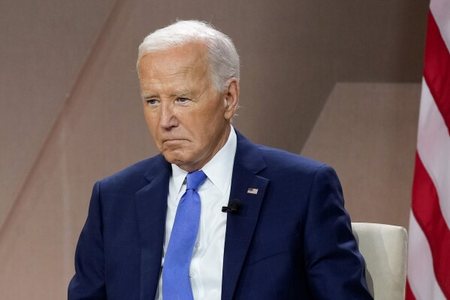
The fear that Israel might choose to target Iran's oil infrastructure is a clear risk. President Biden's admission on Thursday that the US will support Israel's actions brought the price increase from $75 to $77 per barrel.
Iran exports about 1.5 million barrels a day but is not among the major players due to the impact of US sanctions, so any disruption to its supplies would be minimal.
In addition to the crisis in the Middle East, the price has also been supported by last month's recent news about economic stimulus in China.
So what is keeping prices down?
Basically, the global economic outlook has taken a turn for the worse. The global economy is being weighed down by the effects of the successive shocks that have hit since COVID 19.
Whether this is the result of higher central bank interest rates to fight inflation or governments' reluctance to ramp up COVID-era borrowing, the outlook for immediate oil demand remains weak.
As Western economies slow again, China's biggest growth market has been reeling for years from the effects of a property crisis that has hit consumer spending.
What is the outlook for fuel prices?
Higher oil prices tend to raise costs more broadly in the economy as they feed in, due to the commodity's importance in many areas, from transportation to manufacturing.
It generally takes several weeks for oil price changes to be reflected in factory and gas station costs.
In the case of gasoline and diesel, prices are currently at three-year lows. Any sustained rise for Brent crude could mean it is short-lived. /Sky News






Lini një Përgjigje