


 Shkruar nga Pamfleti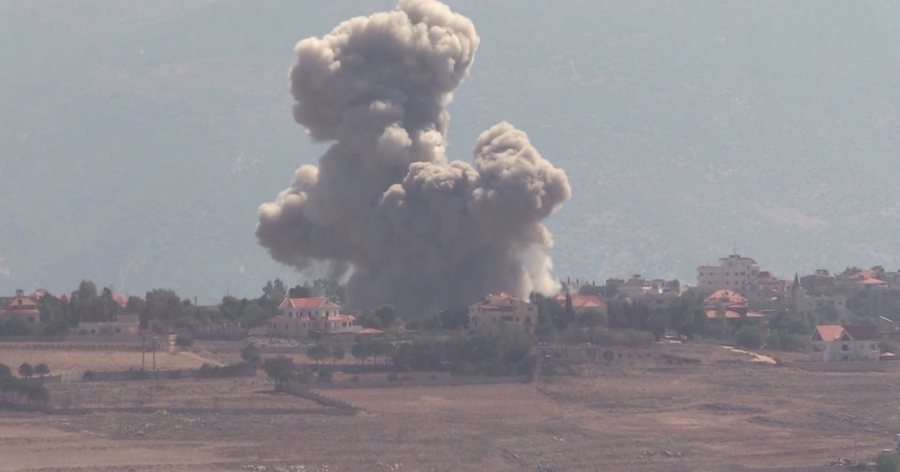
Hamas' attack on Israel on October 7, 2023 ignited the conflict in the Middle East. From the Jewish State's military operation in the Gaza Strip, still ongoing, to raids in Lebanon and Iran's two direct attacks against Israel, to the assassination of Hamas and Hezbollah leaders Ismail Haniyeh and Hassan Nasrallah, we bring you the events the main ones that happened in this region during the last year.
October 7, Hamas launches the "Flooding of Al-Aqsa" operation
At dawn on October 7, the Sabbath and the last day of the Jewish holiday of Sukkot, Hamas launches Operation Al Aqsa Flood. About 3,000 terrorists destroyed the fences that separate the Gaza Strip from the state of Israel, raiding kibbutzim and nearby towns in cars, pickup trucks, motorcycles and motorbikes. The "Nova" music festival was also targeted, where thousands of young people had gathered. At the same time, over 5,000 rockets are launched towards Israel, from southern cities to Tel Aviv. The armed forces of the Jewish state were caught by surprise and the balance was tragic: over 1,200 Israeli victims, while 251 people were taken hostage and sent to the Gaza Strip. The Shiite group Hezbollah fires rockets from Lebanon towards northern Israel. Prime Minister Benjamin Netanyahu declares a state of war.
October 8, Israel launches Operation "Iron Swords"
Israel pulls in about 300,000 reservists and launches Operation Iron Swords, beginning to bombard the Gaza Strip and begin the siege. "We will respond with a momentum the enemy has never known and we will win," declared Prime Minister Benjamin Netanyahu. On October 11, the prime minister forms an emergency government and a few hours later warns the Palestinian population to leave northern Gaza.
October 27, Israel begins its ground occupation of Gaza
Overnight, Israel began ground operations in the Gaza Strip, aiming to isolate Gaza City and the northern part of the Strip from the southern part. In the following days, the evacuation of citizens with foreign passports, with dual citizenship or seriously ill patients from Gaza through the crossing to Rafah began. For the rest of Gaza's citizens, there is no way out.
November 16, Israeli troops surround Al Shifa hospital
The Israeli army launches an operation at Al Shifa hospital, the largest in the Gaza Strip. According to the IDF, the structure will be used as a base by Hamas. The raid lasts several days.
November 19, the Houthis capture a ship in the Red Sea
Yemeni Houthi rebels capture the merchant ship "Galaxy Leader", owned by an Israeli company and flying the flag of the Bahamas. The Shiite group announced it will target all ships owned by Israel or operating for Israeli companies or flying the Israeli flag until hostilities in Gaza cease.
February 9, Israel orders evacuation of Rafah, IDF releases two hostages
Israeli Prime Minister Benjamin Netanyahu orders the evacuation of civilians from the Rafah area in the southern Gaza Strip ahead of military operations by the IDF. In Rafah on February 12, Israeli forces freed two hostages. They are Fernando Simon Marman, 60 years old, and Louis Har, 70 years old.
March 25, UN Resolution calls for ceasefire in Gaza
The UN Security Council adopts a resolution calling for a cease-fire in the Gaza Strip, the immediate release of all hostages held by Hamas and calls on Israel to do more to facilitate the entry of humanitarian aid into the territory.
April 1, Israel strikes the Iranian consulate in Damascus
The Iranian consulate in Damascus, the capital of Syria, is hit by an Israeli attack. The dead, according to Iranian authorities, are sixteen. Among them were several members of the Pasdaran, including General Mohammad Reza Zahed, commander of the Quds Force, and his deputy. Tehran promises revenge.
April 13, Iran launches a direct attack on Israel in retaliation for the events in Damascus
Overnight, for the first time, Iran launched a direct attack against the state of Israel, in response to the bombing of the Iranian consulate in Damascus. Ballistic missiles, cruise missiles and over 300 drones are used. Israel's Iron Dome defense system, aided by allied countries and also by Jordan, repels the threat. No citizens were injured and no serious damage was reported in Israeli territory.
April 19, Israel begins its counterattack against Iran
Israel retaliated against Iran by attacking a military air base near the city of Isfahan, about 400 kilometers from Tehran. Iran downplayed the incident, calling it a "failed attack". Israeli far-right leader Itamar Ben-Gvir speaks of a 'weak' attack, prompting backlash from the opposition.
May 7, Israel begins the ground operation in Rafah
Israel launches a ground operation in Rafah, on the border with Egypt, and takes control of the Palestinian side of the crossing, effectively isolating the Gaza Strip. The action of the Jewish state has been almost unanimously criticized by the international community, while according to the army the crossing was used by Hamas "for terrorist purposes".
May 20, ICC Prosecutor seeks arrest warrant for Netanyahu and Hamas leader
Prokurori i ICC-së, Karim Khan, po kërkon urdhra arresti për kryeministrin izraelit Benjamin Netanyahu dhe ministrin e mbrojtjes Joav Gallant. E njëjta kërkesë është bërë edhe për liderët e Hamasit, Yahya Sinëar, Mohammed Deif dhe Ismail Haniyeh. Izraeli e cilëson kërkesën si 'turp' dhe kritika vjen edhe nga Sekretari amerikan i Shtetit, Antony Blinken.
31 korrik, Udhëheqësi politik i Hamasit Ismail Haniyeh u vra në Teheran
Ismail Haniyeh, udhëheqësi politik i Hamasit, vritet së bashku me truprojën e tij në Teheran, në atë që, megjithëse nuk pretendohet kurrë, konsiderohet nga të gjithë vëzhguesit ndërkombëtarë si një sulm izraelit. Haniyeh ishte në një strukturë të drejtuar nga ushtria iraniane pasi mori pjesë në ceremoninë e inaugurimit të presidentit të ri të Iranit, Masoud Pezeshkian. Teherani zotohet të hakmerret.
17 shtator, Mijëra pager dhe telekomandë shpërthejnë në Liban
Në Liban, dhe në mënyrë më të kufizuar në Siri, shpërthejnë qindra pager në posedim të milicëve të Hezbollahut. Të nesërmen e njëjta gjë ndodh me telekomandat. Vdekjet sipas autoriteteve libaneze janë të paktën njëzet. Mbi 450 persona u plagosën, Izraeli nuk e komenton incidentin. Mossad është i dyshuari kryesor.
27 shtator, Bastisja izraelite vret liderin e Hezbollahut, Hassan Nasrallah në Bejrut
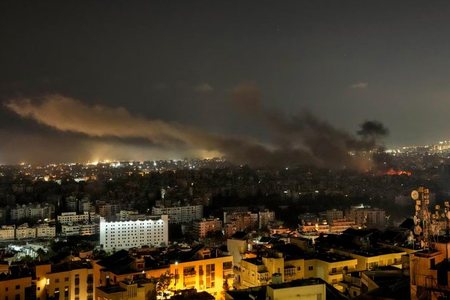
Një sulm i fuqishëm izraelit me bomba anti-bunker vret liderin e Hezbollahut, Hassan Nasrallah në Bejrut. Bashkë me të vdiqën edhe Ali Karake, komandanti i frontit jugor të Hezbollahut dhe udhëheqës të tjerë. Nasrallah, 64 vjeç, kishte qenë kreu i Hezbollahut që nga viti 1992 dhe nuk u shfaq kurrë në publik, duke u kufizuar në ndërhyrjet video që ishin regjistruar dhe transmetuar nga një vend i panjohur. Operacioni në të cilin u vra Nasrallah quhet "Rendi i Ri".
30 shtator, Izraeli nis një operacion tokësor të synuar në Liban
Izraeli nis "Shigjetat e Veriut", një operacion tokësor "i synuar dhe i kufizuar" në Libanin jugor kundër infrastrukturës së Hezbollahut. Objektivi është që banorët e zonave që kufizojnë territorin libanez të kthehen në shtëpitë e tyre. Izraeli u bën thirrje qytetarëve libanezë që të evakuojnë zonat ku vepron Hezbollahu dhe thotë se operacioni do të jetë "sa më i shkurtër që të jetë e mundur".
1 tetor, Sulm terrorist në Jaffa, 7 të vdekur dhe 16 të plagosur
Shtatë persona janë vrarë dhe gjashtëmbëdhjetë janë plagosur në një sulm terrorist në Jaffa, një lagje e përzier arabo-hebreje në zonën metropolitane të Tel Avivit. Dy autorët janë 19 dhe 25 vjeç dhe të dy janë banorë të Hebronit, në Bregun Perëndimor. Të dy fillimisht hapën zjarr brenda një vagoni të lehtë dhe më pas dolën jashtë dhe vazhduan të qëllonin mbi kalimtarët. Njëri ka mbetur i vrarë në vend, ndërsa i dyti ka mbetur i plagosur rëndë.
1 tetor, Irani sulmon Izraelin, lëshon rreth 200 raketa balistike
For the second time since October 7, 2023, Iran launches a direct attack on Israel, in response to the assassinations of Ismail Haniyeh and Hassan Nasrallah. About 200 ballistic missiles were used. Iron Dome, the Israeli defense system, supported by allied forces, repels the attack. The only casualty was a Palestinian citizen in the city of Jericho, hit by debris from a fallen rocket. Israel announces a response and Tehran threatens: "If you do, we will burn you to ashes"./A2




Lini një Përgjigje