


 Shkruar nga Pamfleti
Ukraine and allies increasingly believe Russian offensive is losing momentum
Ukraine and its allies are increasingly confident that the Russian invasion is losing steam, as Kiev stabilizes the front line and thwarts Moscow's spring offensive.
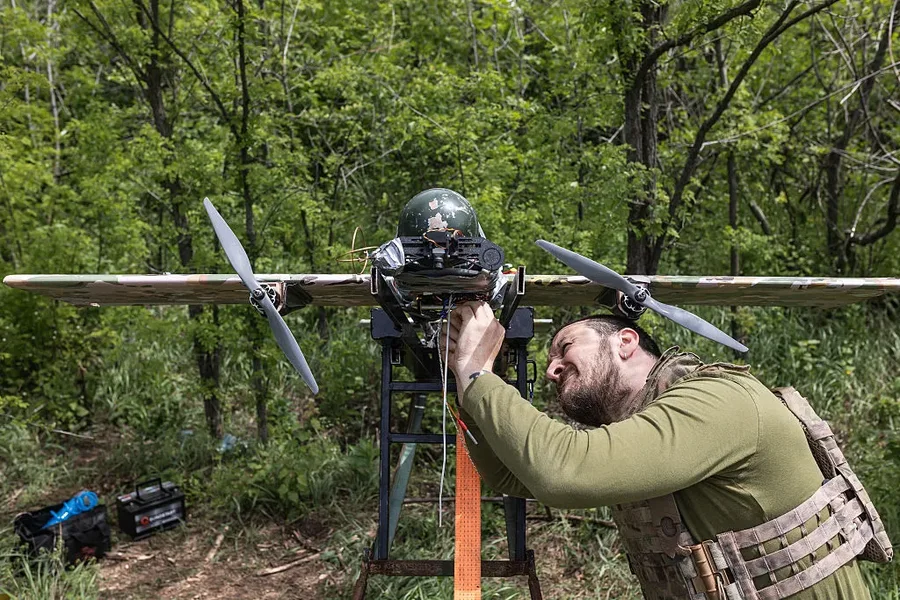
Ukraine's increasing effectiveness in using drones to inflict heavy casualties on Russian forces is also being accompanied by strikes behind the front lines and deep inside Russian territory, fueling domestic criticism of President Vladimir Putin.
This is happening in parallel with an economic slowdown and falling oil revenues, which are putting the Kremlin under pressure at a time when the war is entering its fourth year.
Western officials say Russia still has significant resources and capabilities to continue the war. However, they say the pace of the Russian advance has slowed significantly compared to late last year and the losses are becoming increasingly difficult to bear.
“Russia has failed to create a strategic breakthrough,” said a senior European official, who added “the Kremlin is paying a very high price for minimal gains.”
Western estimates show that Russia has suffered hundreds of thousands of casualties since the start of the full-scale invasion in 2022, while territorial gains have remained limited.
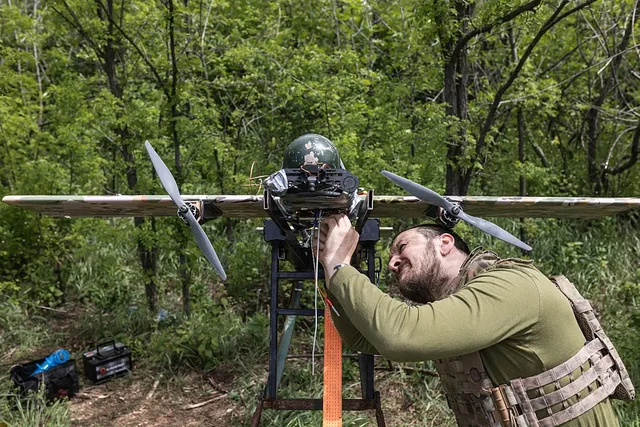
Meanwhile, Ukraine has significantly increased domestic drone production and expanded the capacity for long-range attacks on Russian military and energy infrastructure.
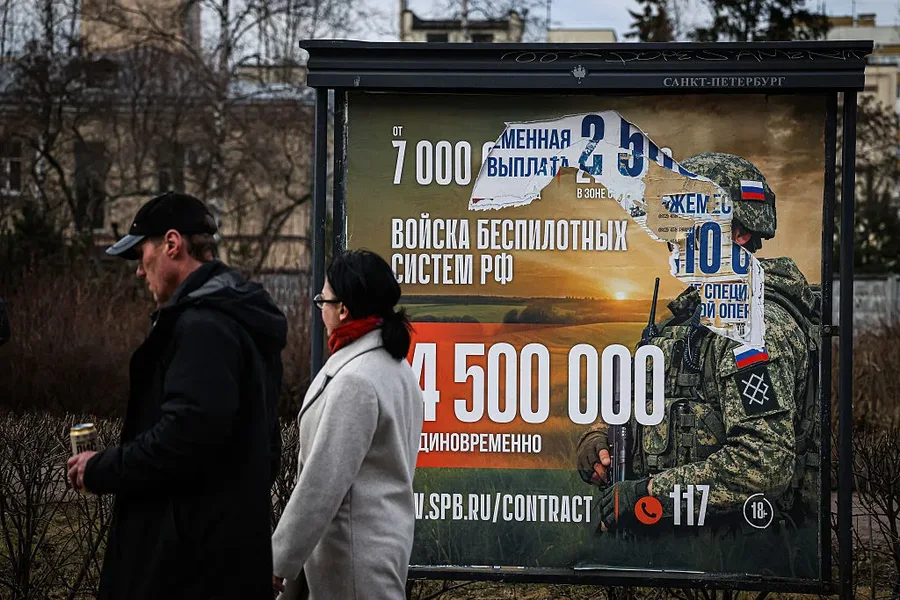
Ukrainian attacks on oil refineries, weapons depots and military facilities inside Russia have exposed weaknesses in Russian air defenses and brought the war closer to Russian citizens.
This has contributed to growing discontent in some Russian nationalist circles, which are criticizing the Kremlin for failing to achieve decisive victories.
At the same time, Russia continues its intensive bombing of Ukrainian cities and infrastructure, using missiles and drones to put pressure on the civilian population and the country's energy system.
However, Ukraine's supporters argue that Kiev's ability to resist and deter Russian offensives has significantly improved the country's strategic position.
The United States and European allies are continuing to supply Ukraine with weapons, air defense systems and financial aid, even as political debates in the West over the cost and duration of the war remain intense.
American officials believe the coming months will be crucial in determining whether Russia can regain offensive momentum or whether the war will enter a more sustained phase of attrition.
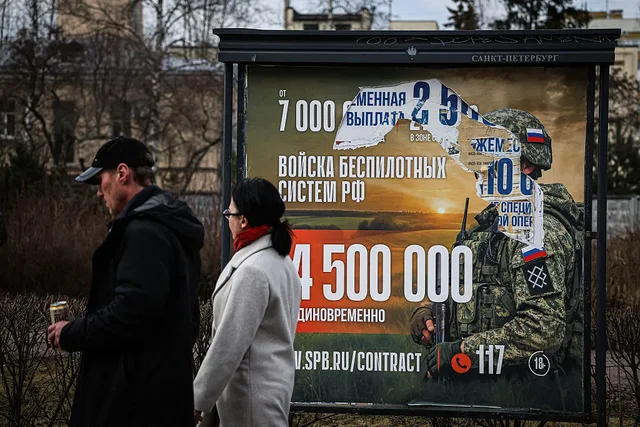
Some analysts argue that Russia is facing increasing limitations in personnel, military equipment and finances, despite the Kremlin's efforts to mobilize the economy for war.
The Russian economy has shown greater resilience than expected to Western sanctions, but inflation, labor shortages and high military costs are exerting upward pressure.
Meanwhile, Ukraine is seeking to maintain international support and strengthen its military capabilities ahead of a war that looks set to drag on.
According to Western officials, Ukraine's ability to hold the front line and strike strategic targets inside Russia has changed the perception that Moscow can achieve quick or decisive victory.
“There is a growing sense that Russia may not be able to achieve its maximalist objectives,” said one European diplomat.
However, officials warn that the war remains very dangerous and that Russia still has the capacity to cause major destruction in Ukraine.
They emphasize that any optimism must be cautious, as the outcome of the conflict will depend on the military and economic sustainability of both sides, as well as the level of Western support for Kiev. /Adapted from Bloomberg Pamphlet /






Lini një Përgjigje