


 Shkruar nga Pamfleti
This economic dominance exacerbated the social class gap and added to the suffering of the Syrian people during the years of war.
During a visit this week to one of Beirut's top hotels, journalists noticed a clear presence of several wealthy Syrians, whose names are not yet known. It was clear that they were staying at the hotel with their families, including teenage children. They seemed tense as they spent most of their time on their phones and constantly communicating.
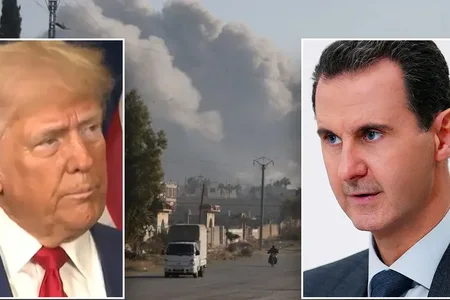
It came after the head of Syria's largest trade lobby group announced the adoption of a free market model in Syria as part of a radical shift in the country's economic policy following the fall of Bashar al-Assad's regime. The Syrian economy had long been considered socialist in name but controlled by a few businessmen linked to the regime's inner circle.
According to Bassel Al-Hamwi, head of the Damascus Chamber of Commerce Federation, the new system will be considered one of the foundations of the free economy.
The state had long dominated all economic sectors of Syria. The resources were concentrated in the hands of several businessmen linked to the Assad regime, such as Rami and Ihab Makhlouf, Samer and Amer Foz, Mohammed Hamsho, Ahmed Saber Hamsho, the Al-Qaterji family and others.
This economic dominance exacerbated the social class gap and added to the suffering of the Syrian people during the years of war. The former businessmen of the Syrian regime after the overthrow of Assad "moved" to 5-star hotels such as Mövenpick, Phenicia and others in the southern suburbs.
Wealth of the regime
Among the names mentioned are businessman Khaled Qaddour, a close associate of Maher al-Assad and brother of the former Syrian dictator. According to the US Treasury Department, Qaddour is subject to US sanctions for "knowingly providing financial, material or technical support to Maher al-Assad, or knowingly participating in significant transactions with him".
So was Mohammad Hamsho, close to Maher al-Assad and listed under US Caesar Act sanctions in 2020. The US Treasury Department stated that the Hamsho family “has interests in almost every sector of the Syrian economy. Mohammad Hamsho acted as a front and close partner of Maher al-Assad, who commands the Fourth Division of the Syrian army. Both Qaddour and Hamsho have Lebanese residency.
Among those seeking refuge in Lebanon is Firas Issa Shaleesh, the grandson of Dhu al-Himma Shaleesh, involved in the massacres of Hama and Jisr al-Shughur during the time of Hafez al-Asad. Firas was a partner with his uncle in a telecommunications company founded in 1998.
The elite of the regime
Ministri i Brendshëm në detyrë i Libanit, Bassam Mawlawi mohoi strehimin e biznesmenëve pas rënies së Assad duke i quajtur thashetheme. Ai deklaroi se nuk ka zyrtarë të sigurisë siriane në Liban.
Deklarata e kryeministrit në detyrë Najib Mikati ishte më e paqartë, duke pohuar përkushtimin e qeverisë ndaj ligjeve libaneze dhe ndërkombëtare "në mënyra që sigurojnë interesin e Libanit, popullit të tij dhe marrëdhëniet e ardhshme me popullin sirian".
Ai u shpreh se po monitoron nga afër të situatës, lidhur me hyrjen e ish-zyrtarëve sirianë në vend, duke theksuar se qeveria libaneze ka respektuar gjithmonë ligjet libaneze dhe ndërkombëtare.
A kërkoi strehim Ali Mamlouk në Liban?
Vlen të kujtojmë rrjetet e mëdha të biznesit të biznesmenëve të lidhur me regjimin në Liban dhe rajon, veçanërisht në Emiratet e Bashkuara Arabe. Më herët një shkrim: “Burrat e regjimit sirian në Dubai pavarësisht sanksioneve të SHBA”, bëri bujë. Bëhej fjalë për Rami dhe Ihab Makhlouf, vëllezërit biznesmenë Samer dhe Amer Foz, Rania Al-Dabbas, gruaja e biznesmenit sirian Mohammad Hamsho, dhe të tjerë.
Emrat e tyre dolën edhe në "Paradise Papers" në vitin 2016, të cilat zbuluan përfshirjen e Rami Makhlouf dhe biznesmenëve të tjerë të lidhur me regjimin sirian përmes pronësisë së shumë kompanive në Liban, veçanërisht ato që lidhen me tregtinë dhe marrëveshjet në det të hapur.
Ali Mamlouk, i cili shërbeu si këshilltar për sigurinë kombëtare për Bashar al-Assad, ishte një nga arkitektët e shquar të represionit të sigurisë në vend, sipas sanksioneve të Departamentit të Thesarit të SHBA kundër tij. Gazeta Nidaa Al-Watan, duke cituar burime sigurie, raportoi se ai ishte strehuar në Bejrut ose periferitë jugore pas rënies së regjimit, ndërsa burime të tjera mohuan praninë e tij në Liban, ndërsa u tha se Mamlouk kishte mbetur në Damask.
Emri i Ali Mamlouk ka qenë i lidhur me disa raste të rëndësishme sigurie, duke përfshirë incidentin e vitit 2012 të kontrabandës së eksplozivëve në Liban nëpërmjet ish-ministrit libanez Michel Samaha, me qëllim kryerjen e atentateve dhe bombave, duke përfshirë bombardimin e xhamive Al-Taqwa dhe Al-Salam në Tripoli.
Ky rast ngjalli polemika të shuma dhe bëri që gjyqësori libanez të lëshonte dënime me burg kundër Samaha-s, nën akuza për terrorizëm. Gjykata lëshoi një urdhër arresti në mungesë për Ali Mamlouk në vitin 2013.
Opsioni i Rusisë
Një hetim nga Financial Times në nëntor të vitit 2019 zbuloi prona në pronësi të Bashar al-Assad dhe familjes së tij në Moskë në një zonë të pasur, i përbërë nga dy rrokaqiejt të lartë.
Familja Makhlouf bleu të paktën 20 apartamente në Moskë me vlerë 40 milionë dollarë. Ky kompleks përfshin jo më pak se 18 apartamente luksoze të blera nga familja e Bashar al-Assad.
Members of the Makhlouf family bought 20 apartments in Moscow worth $40 million, using a complex chain of companies and loan agreements. The investigation also revealed how they used loan structures that involved Lebanese offshore companies and already own the properties.
This reality raises the questions: will the businessmen of the previous regime follow their leader's example and seek refuge in Moscow? / Adapted "Pamphlet" from "WorldCrunch".


Lini një Përgjigje