


 Shkruar nga Pamfleti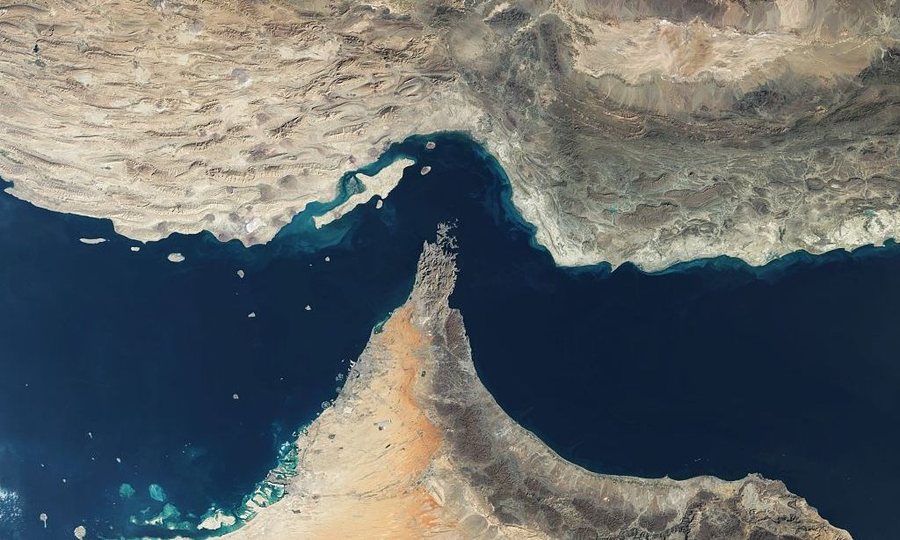
The use of data concealment and manipulation tactics is increasing in the Strait of Hormuz
Disappearance and route manipulation tactics, characteristic of the so-called "ghost fleet," have intensified in the Strait of Hormuz following the US naval blockade of Iran-related shipping, warns The New York Times.
In recent days, naval intelligence experts have identified an increase in surveillance-evading maneuvers, such as disabling transmitters and manipulating identification codes on ships operating near Iranian waters.
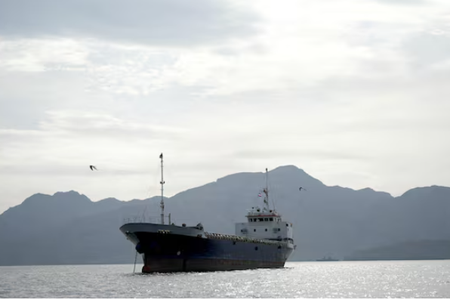
Iran is adopting methods inspired by Russian “ghost fleet” technology to circumvent the US blockade of the Strait of Hormuz. These practices include disabling tracking systems and falsifying identification data, allowing ships to disappear from radar and reappear with a changed identity, thus defying international surveillance and US restrictions, according to a report by the US newspaper.
According to Amy Daniel, director of Windward, quoted by The New York Times, a change in the behavior of Iranian ships has been observed recently. She noted that “more ships have begun to deactivate their tracking systems or modify their identification codes” in the 24 hours after the blockade was tightened, a behavior that was rare even after the US-Israeli attack in February, when Iranian exports did not suffer significant disruption.
Russian influence on sanctions evasion techniques
New sanctions evasion patterns in the Gulf of Oman replicate techniques that the Russian “ghost fleet” developed after the invasion of Ukraine in 2022.
According to The New York Times, Russian ships have experimented with manipulating identification numbers, sometimes falsifying the country of origin or destination to evade international sanctions.
In addition to turning off tracking devices, some Iranian-linked ships can disappear from monitoring screens at one point and reappear at another, sometimes with altered data.
Thanks to these methods, Russia has managed to maintain key energy exports and secure revenues of up to $100 billion per year, according to the same source.
Windward has identified that operators are testing the effective limits of real-time international surveillance despite increased restrictions. Analysis cited by The New York Times shows a continued movement of ships under sanctions or under false flags, signaling a continued adaptation of these techniques.
While these tactics pose a serious challenge in other contexts, experts cited by The New York Times warn that their effectiveness is more limited in the Strait of Hormuz. Erik Bethel, of the maritime technology company Mare Liberum, points out that the information environment in this area is “contested and extremely complex,” making it difficult to identify those responsible for each route.
The international maritime transport system is very complex: a ship can be owned by one country, chartered by another, and sail under the flag of a third country, making it difficult to determine ultimate responsibility for each voyage.
The presence of the US Navy, with more than 12 warships deployed in the region, increases the risk for those using these strategies. According to the report, despite attempts to “disappear”, it is difficult to cross into open waters through such a narrow corridor without being detected, due to constant surveillance by visual means, radar and electronic communications.
During the observed period, US Central Command reported that six merchant ships obeyed orders from US forces and returned to Iranian ports, demonstrating the effectiveness of the restrictions in place.
Finally, the report emphasizes that the ability to bypass blockades does not depend solely on military presence, but primarily on the quality and speed of information available to both US forces and naval intelligence agencies in the region. /Adapted from Pamphlet /





Lini një Përgjigje