


 Shkruar nga Pamfleti
Nearly five decades after the Islamic Revolution in Iran, the model of political Islam is facing major challenges across the Middle East. The failures of Islamist movements, the fallout from terrorism, and the rise of nationalism have eroded the influence of the ideology that once promised to transform the Muslim world.
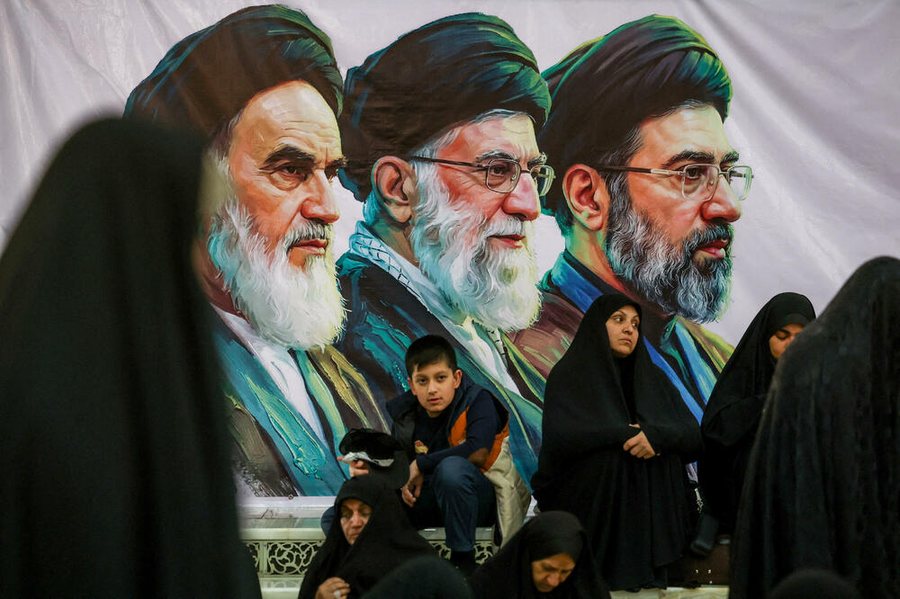
About a year after the 1979 Islamic Revolution in Iran, Ayatollah Ruhollah Khomeini, the supreme leader of the new Islamic republic, presented his vision for governance according to the principles of Islam. He promised a state that would support farmers and workers, distribute land according to religious norms, and have universities, media, and courts serve as instruments of divine law.
According to Khomeini, this model would strengthen Iran against foreign powers and serve as an example for the liberation of Muslims around the world. He declared that the revolution should be exported beyond Iran's borders.
In the decades that followed, Tehran tried to realize this project. For nearly five decades, despite wars, sanctions, and constant pressure from the United States and Israel, Iran remained the most important state ruled by a clerical elite and represented the most enduring experiment in political Islam in the modern world.
Political Islam and power
Many Muslim-majority countries consider the Quran to be a source of legislation. Saudi Arabia, Pakistan, and Afghanistan officially rely on Islamic legitimacy. In Iraq, Lebanon, Malaysia, Indonesia, Bangladesh, and Turkey, Islamist parties have participated in the political process by promoting policies inspired by religion.
Over the past few decades, governments, political parties, and militant movements in the Middle East have promised that greater application of Islamic principles would bring justice, stability, and better governance.
However, according to many analysts, the influence of political Islam today is on the decline. The map of the Middle East is littered with Islamist projects that gained popular support, seized power, or attempted to govern according to their own interpretations of Islamic law, but failed to survive or produce the promised results.
Monica Marks, professor of Middle East politics at New York University in Abu Dhabi, believes that Islamist groups as organized political forces are clearly in decline.
The failures of Islamist projects
Osama bin Laden's attempt to incite a clash of civilizations with the United States ended in failure. The self-proclaimed caliphate of the Islamic State (ISIS) in Syria and Iraq was destroyed by the US-led international coalition.
Po ashtu, partitë islamiste që fituan terren gjatë kryengritjeve të Pranverës Arabe në vitin 2011 nuk arritën të ruajnë pushtetin.
Në Egjipt, Vëllazëria Myslimane fitoi zgjedhjet pas rrëzimit të regjimit të Hosni Mubarakut me sloganin “Islami është zgjidhja”. Ajo mori kontrollin e parlamentit dhe më pas presidencën përmes Mohamed Morsit.
Por qeverisja e re u përball me protesta të shumta. Kundërshtarët e akuzuan për përqendrim pushteti dhe mosrespektim të premtimeve për qeverisje gjithëpërfshirëse. Në vitin 2013 ushtria rrëzoi Morsin dhe një vit më vonë gjenerali Abdel Fattah el-Sisi u bë president, duke konsoliduar një sistem të ri autoritar.
Një zhvillim i ngjashëm ndodhi në Tunizi, ku islamistët fituan zgjedhjet, por nuk arritën të fitojnë besimin e elektoratit laik. Në vitin 2019 pushtetin e mori presidenti populist Kais Saied, i cili më vonë grumbulloi kompetenca shumë të gjera në duart e tij.
Në Libi dhe Jemen, rrëzimi i regjimeve solli luftë civile. Grupet islamiste morën pjesë në konfliktet politike dhe ushtarake, por nuk arritën të vendosin kontroll të plotë mbi shtetet respektive.
Terrorizmi dhe humbja e legjitimitetit
Historiani i Universitetit të Oksfordit, Faisal Devji, argumenton se terrorizmi ka dëmtuar rëndë imazhin e islamit politik.
Sipas tij, shumica e myslimanëve u tronditën nga dhuna e Al-Kaedës dhe ISIS-it. Këto organizata e lidhën islamin politik me brutalitetin dhe ekstremizmin, duke nxitur një reflektim të gjerë në botën myslimane mbi mënyrën se si duhet të organizohet jeta publike dhe politike.
Në librin e tij të ri, “Gjysmëhëna në Zbehje: Ngritja dhe Rënia e Islamit Global”, Devji e krahason islamin politik me ideologji të tjera si komunizmi ose baathizmi, të cilat lindën në rrethana të caktuara historike dhe më pas humbën ndikimin e tyre.Sondazhet e organizatës Arab Barometer tregojnë se entuziazmi për islamin politik mbetet i kufizuar.
Mes viteve 2012 dhe 2025, mbështetja për përfshirjen e figurave fetare në qeveri kaloi nivelin 50 për qind vetëm në Jordani dhe Marok. Në shumicën e vendeve të anketuara, qytetarët preferojnë që feja të mbetet çështje private dhe të mos dominojë jetën politike apo ekonomike.
Megjithatë, ndikimi i opinionit publik në shumë vende arabe mbetet i kufizuar, pasi pushteti kontrollohet nga regjime autoritare që nuk varen drejtpërdrejt nga zgjedhjet konkurruese.
Irani, përjashtimi që po përballet me një krizë
Republika Islamike e Iranit mbetet shembulli më jetëgjatë i islamit politik në pushtet, por edhe ajo po përballet me sfida serioze.
Brenda vendit, shumë iranianë kanë shprehur pakënaqësi ndaj sundimit klerikal përmes protestave të përsëritura. Kufizimet sociale, veçanërisht ndaj grave, represioni shtetëror, sanksionet ndërkombëtare dhe stagnimi ekonomik kanë dobësuar ndjeshëm tërheqjen e idealit revolucionar.
Sipas studiuesit Afshon Ostovar, autor i dy librave mbi Iranin modern, Republika Islamike nuk ka arritur të bëhet model suksesi as për qytetarët e saj dhe as për botën myslimane.
"It had some successes according to its own logic, but in the end it was a bleak experience, because it was based on violence and hostility," he assesses.
Moreover, Khomeini's vision of spreading the revolution throughout the Muslim world was never realized. Iranian influence remained largely limited to financially and militarily supported allies in Lebanon, Iraq, Yemen, and Gaza.
Although many analysts speak of decline, they warn that it is too early to declare the end of political Islam.
Amr Darrag, a former minister in Mohamed Morsi's government, argues that Islamists in Egypt were never given a real chance to govern. According to him, regional and international forces did not want the consolidation of an Islamist model in the most populous Arab country.
He believes that a new cycle of strengthening Islamist movements may emerge in the future.
Monica Marks shares a similar assessment. According to her, every time the end of political Islam has been declared, reality has shown the opposite, because authoritarian repression continues to fuel hope for new alternatives.
Nationalism is replacing Islamism
One of the most important developments of recent years is the shift in focus from religious identity to national identity.
In Saudi Arabia, Crown Prince Mohammed bin Salman has limited the influence of the religious establishment and promoted a more modern Saudi nationalism. The kingdom is investing in tourism, entertainment and international projects, while Islamist symbolism plays a smaller role than in the past.
Even in Syria, President Ahmed al-Sharaa, a former commander of a jihadist group, is trying to present himself as a pragmatic regional leader rather than a promoter of a strict Islamic state.
Even the Iranian leadership is increasingly using arguments related to national sovereignty, international law, and state interests, alongside religious references.
Nearly five decades after Iran's Islamic Revolution, political Islam faces its greatest challenge of the modern era. The failures of Islamist projects, the fallout from terrorism, citizen disillusionment and the resurgence of nationalism have weakened its influence in many parts of the Middle East. / Adapted with abbreviations from The New York Times




Lini një Përgjigje