


 Shkruar nga Pamfleti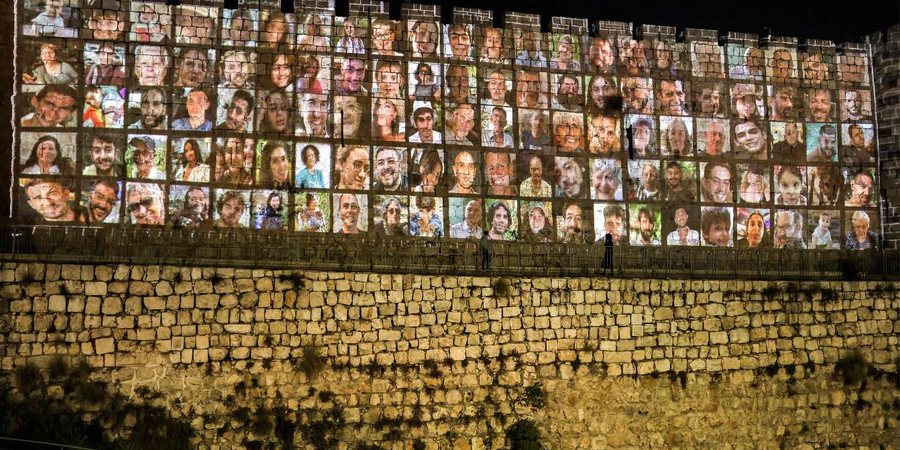
However, external actors - such as Iran - may still seek to halt exchange procedures and this will be an extremely traumatic time for all the families concerned as they wait for good news about the return of their loved ones.
Although the staff exchange process may seem simple, it is actually very complex and fraught with challenges. Hamas will be very concerned about the continued safety of the 80% of hostages not yet included in any release agreement.
Although these are probably scattered throughout Gaza, both above and below ground, Hamas will not want Israel to gather any intelligence from the process of releasing 50 of them.
Hamas will want to remove those hostages set for release from where they are being held so as not to jeopardize the security of the rest. The IDF will question all returned hostages to try to determine where they were held, and they will track all movements to gain further intelligence.
The first phase of the release will probably involve facilitators from the Red Cross meeting with Hamas on neutral ground - perhaps in a remote location under the cover of darkness in Gaza - after which the Hamas captors will leave and leave the personnel Red Cross to accompany the hostages.
The hostages will then be escorted from Gaza to Israel, either through one of three formal crossing points, or more through a designated route to keep the hostages away from the glare of media cameras. Although an agreement seems to have been reached, the whole process is fraught with difficulties.
Communication is challenging, especially when Hamas and Islamic Jihad are not co-located and many of the fighters will be underground with unreliable communications.
Also, trust will be required if the planned hostage release is to succeed, but it is short-lived. Both Hamas and Israel are motivated to exchange hostages, which bodes well for the process. But Israel does not want to give Hamas any respite from the war, so it will try to minimize the scope of any ceasefire.
In contrast, Hamas wants any ceasefire to be as long as possible and will probably seek to extend the operational pause by releasing even more hostages for each day the ceasefire lasts.
Hamas knows it is not a military match for Israel, but if it survives this war and holds a few hostages, it will probably consider the result a success.
However, external actors - such as Iran - may still seek to halt exchange procedures and this will be an extremely traumatic time for all the families concerned as they await good news about the return of their loved ones./ SkyNews






Lini një Përgjigje