


 Shkruar nga Pamfleti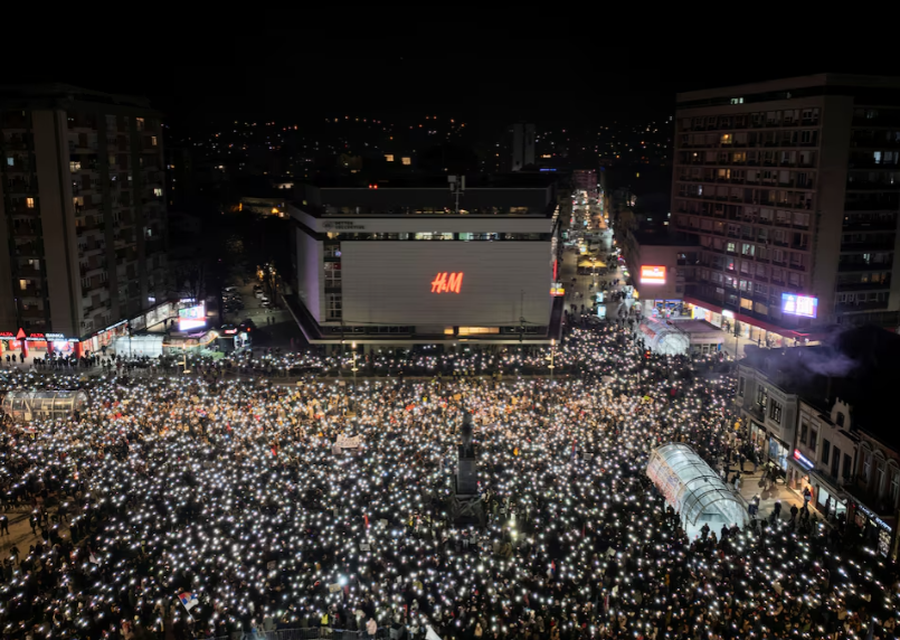
In an analysis that has sparked debate in Serbia, sociologist Aleksej Kišjuhas says that Serbs have never understood Albanians and that the protests in Albania reflect the same problems that are fueling the civic revolt in Serbia...
In a tense political climate in the Balkans, one of Serbia’s most popular opposition newspapers, Danas, has published a column that challenges traditional narratives on Albanian-Serbian relations. Entitled “Braća Albanci” (“Albanian Brothers”), Serbian sociologist Aleksej Kišjuhas calls on his fellow citizens to see Albanians beyond stereotypes and historical conflicts.
"We have never tried to understand Albanians," the author writes, arguing that for decades Serbian public opinion has seen Albanians only through the prism of the Kosovo conflict, while ignoring their daily challenges as citizens.
An important part of the analysis is dedicated to the recent protests in Albania, known as the “Flamingo Revolution.” According to Kišjuha, these protests are not the product of conspiracy theories or external influences, but a civic reaction to corruption, institutional capture, and the lack of transparency in decision-making.
The author dwells on the controversies that have accompanied the tourist project on Sazan Island and the legal changes related to strategic investments, describing them as the spark that mobilized the protest.
In his analysis, Kišjuhas draws a direct parallel between Albania and Serbia. According to him, citizens in both countries are facing the same problems: widespread corruption, weakened institutions, lack of transparency, and large economic projects that favor the political elite and interest groups.
The columnist also mentions the debates in Serbia over large urban development projects and questionable investments, arguing that civic discontent knows no national borders and that Balkan societies face similar challenges.
His message is clear: Albanians and Serbs are not only divided by history, but also united by common governance problems. For this reason, according to the author, the protests in Albania should be seen as part of a broader regional phenomenon, where citizens are demanding more accountability, functional democracy and the rule of law.
The Danas column represents a critical and liberal stance, challenging traditional perceptions in Serbia about Albanians and proposing a new reading of the Balkan reality: less nationalism and more attention to common problems affecting citizens on both sides of the border./ Pamphlet






Po atehere meqe jemi vllezer le te mblidhen Protestuesit e le te jetojme edhe ne nje shtet te perbashket...???!!! A do te kete valle nje reagim zyrtar nga MPJashtme ketu???