


 Shkruar nga Pamfleti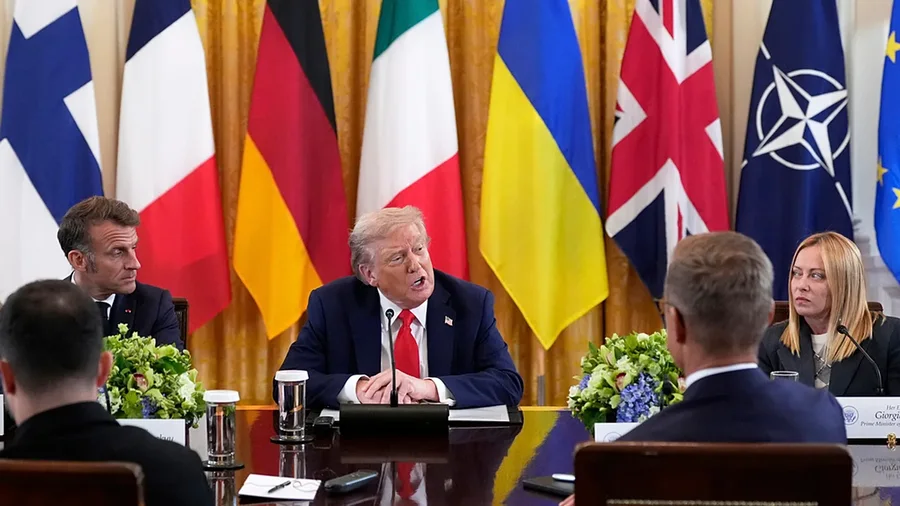
Therefore, European leaders must quickly find the money to support Ukraine and at the same time build up their own defenses, replacing American military technologies at a time when national budgets are tight and debts are high.
Europeans feel trapped between 'hostile' powers, Russia and the United States, with key decisions to be made about the future of Ukraine.
Europe, caught between the United States and Russia, is facing the second epoch-changing event in recent years. The first was Russia's full-scale invasion of Ukraine, the first major land war on the European continent since World War II. The second is the U.S. abandonment of its commitment to the continent's security, European officials and experts said.
They argued that President Trump's main goal is not peace in Ukraine, but rapprochement with Russia, which is actively trying to undermine NATO and the European Union, which would endanger the security of Europe.
While Trump's disdain for what he called a "decaying Europe" has garnered much attention, that's only part of the problem facing European leaders. They are also grappling with challenges including budget shortfalls, deteriorating public opinion and the far right, as they try to maintain security and help Kiev.
“For the first time since the end of World War II, America is not on our side in a matter of war and peace in Europe,” said Norbert Röttgen, a senior lawmaker in German Chancellor Friedrich Merz’s conservative party. “It has aligned itself with the aggressor against the interests of the attacked country, Ukraine, and against the interests of European security in general. It wants to mediate between NATO and Russia, which means that the US no longer defines itself as a core member of NATO and defines Europe as a strategic objective.”
The future of Ukraine is at the heart of the debate. Trump is pushing for a peace deal largely on Russian terms, while Europeans see Ukraine as essential to their security and are encouraging Kiev to fight for a better deal.
European leaders, who met again this week with Ukrainian President Volodymyr Zelensky, are relieved that so far Russian President Vladimir Putin has been unwilling to accept the terms and continues to resist Trump's efforts to end the fighting. This means that Ukraine must continue the war, with European support.
Given the risks, Europe has a lot to do to be a credible counterweight. As one jaded European official put it: anger is nice, but it is not politics.
Përveç armiqësisë së Washingtonit, Europa po përballet me sfida të tjera urgjente.
Komandantët e NATO-s e konsiderojnë vitin 2029 si afatin për zhvillimin e një frikësimi konvencional të besueshëm kundër Rusisë, por shqetësohen se Moska mund të testojë kohezionin e aleancës përpara asaj kohe.
Prandaj liderët europianë duhet të gjejnë shpejt paratë për të mbështetur Ukrainën dhe njëkohësisht të ndërtojnë mbrojtjen e tyre, duke zëvendësuar teknologjitë ushtarake amerikane në një kohë kur buxhetet kombëtare janë të ngushta dhe borxhet të larta.
Ata e kuptojnë se duhet të bindin votuesit europianë se mbrojtja e Ukrainës ia vlen koston dhe se përballja me një Rusi të militarizuar dhe imperialiste kërkon më shumë shpenzime ushtarake dhe ushtri më të mëdha, përfshirë forma të reja rekrutimi.
Ata duhet të bëjnë më shumë për të përballuar sfidën e partive populiste, nacionaliste të ekstremit të djathtë, të cilat administrata Trump, në strategjinë e saj të re të sigurisë kombëtare, thotë hapur se do t’i mbështesë në Europë.
Dokumenti shumë ideologjik akuzon qeveritë kryesore europiane për minimin e demokracisë dhe për nxitjen e “zhdukjes civilizuese”. Strategjia sinjalizon vendosmërinë e administratës për të “kultivuar rezistencë” në Europë duke punuar me aleatët e saj politikë në kontinent, nga partia National Rally në Francë dhe Reform UK deri te Alternativa për Gjermaninë.
Pakënaqësia e Trump-it ndaj europianëve u shfaq hapur në një intervistë për Politico-n të publikuar të martën, ku ai i quajti disa liderë “shumë budallenj” dhe pohoi se për shkak të emigracionit, “shumë prej atyre vendeve nuk do të jenë më vende të qëndrueshme.”
Një moment kyç në përplasjen me Washington-in mbi Ukrainën dhe sigurinë europiane pritet javën e ardhshme në samitin përmbyllës të vitit të liderëve të BE-së. Aty ata duhet të vendosin si të sigurojnë rreth 200 miliardë dollarë për të financuar Ukrainën për dy vitet e ardhshme dhe për ta mbajtur në luftë.
Debati mbi përdorimin e rreth 210 miliardë eurove të aseteve ruse të ngrira në Europë është i ndërlikuar. Shumica e tyre mbahen në një kompani belge, dhe qeveria e Belgjikës, përballë kërcënimeve ruse, heziton të rrezikojë këto asete. Zyrtarët amerikanë e kanë inkurajuar Belgjikën të rezistojë, pasi Washington-i e sheh kthimin e aseteve ruse si pjesë të marrëveshjes së propozuar për Ukrainën. Ndërkohë, ministrat e financave dhe Banka Qendrore Europiane kanë shprehur shqetësime se besueshmëria e Europës dhe e euros si një vend i sigurt depozitimi mund të vihet në rrezik.
Merz dhe presidenti francez Emmanuel Macron kanë nxitur Belgjikën, duke thënë se vendet e tjera europiane do të ofrojnë mbulim të mjaftueshëm për Belgjikën.
“Është një moment i vërtetë për Europën,” tha Röttgen. “Teknologët nuk e pëlqejnë dhe me arsye të mira, por ky është një moment vullneti politik për të mbetur relevant, jo i hollësive ligjore. Nëse dështojmë, do ta bëjmë veten të parëndësishëm dhe lodër të të tjerëve.”
If the assets cannot be used, major European countries, including Britain, would have to face the prospect of creating a loan from outside the bloc to finance Ukraine. This is a costly and politically complicated option.
Although the Europeans promise to support Ukraine, they do not have a strategy of their own to end the war without more American economic pressure on Russia, which Trump has been reluctant to offer.
Even more important, European officials say, is the quality of any security guarantees Ukraine would receive in a negotiated outcome. A strong security guarantee is the best incentive for Ukraine to agree to give up some of its territory, but so far, the United States has refused to commit to the details or support the European forces that might be needed to implement it.
Senior NATO officials have sought to provide reassurance. While the Trump administration has announced the withdrawal of 3,000 American troops from Romania, 79,000 troops still remain in Europe, a number larger than the entire British army. But they also acknowledge that the Europeans cannot easily replace key American military capabilities, such as satellite intelligence, air defense, long-range missiles and command and control. And they certainly cannot do so by 2029, a date that European militaries see as the deadline to intimidate a war-weary Russia in Ukraine.
Europe should prepare to fight a war alone because Trump may decide not to support it, a senior European official said.
Ukraine is Europe’s line of defense against Russia, “but we don’t really follow through on what that means and what it costs,” said Anna Wieslander, director for Northern Europe at the Atlantic Council. “Russian assets are absolutely essential for Ukraine to stay in the war and change Russia’s calculus. We have to take bigger risks or pay a higher price later.”/ New York Times



Lini një Përgjigje