


 Shkruar nga Nadim Shehadi*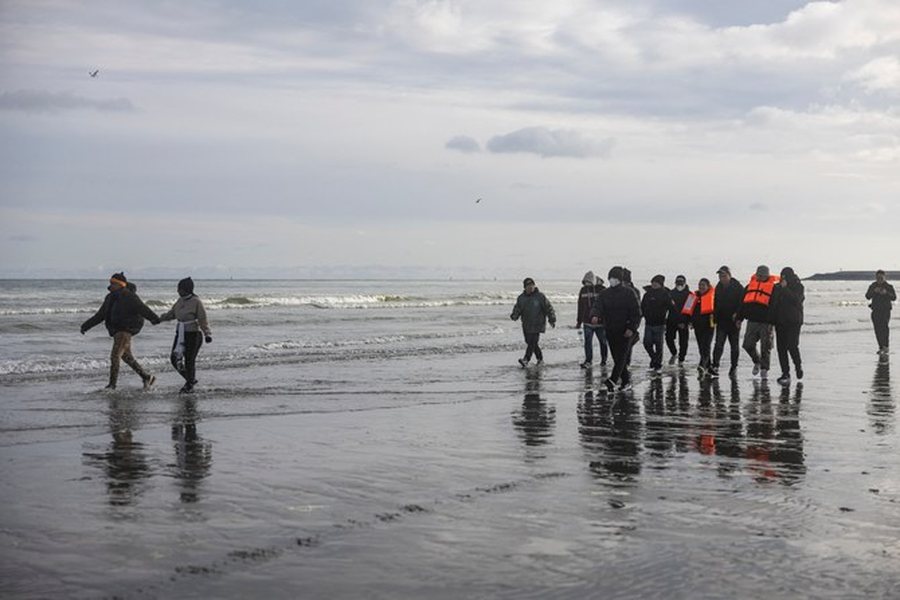
Politicians win votes by portraying migrant caravans and their flotillas of small boats as an attack on their borders...
In 50 years, future historians will see our time with a different perspective. What may seem to us today as the growth of nationalism and populism with an authoritarian direction, will have reached an end-game. In hindsight it will be clear that the global order of nation-states is disintegrating and is no longer functional.
However, it doesn't seem like that today. Nationalist politicians with an agenda to make their countries great again by closing their borders to immigration and protecting their national fabric are dominating the news and often winning elections. .
And this is a global phenomenon. Nationalism is threatening to tear the EU apart and fueling conflicts resulting in mass population movements. I was born in the second half of the 1950s, when the ideal of a homogeneous nation-state was at its height.
This ideal characterized the 20th century: we sang national anthems and created everything national, from football teams to philharmonic orchestras. National characteristics were being defined in the newly independent states, including language, cuisine, music, literature and a proud history.
At home you should definitely have a dress with national motifs, even if no one wore it. The nations were great. Sushi was consumed only in Japan and pizza not in all parts of Italy. All this happened quite quickly.
The ideas of the nation state arose in the 19th century and reached their peak in the 1870s after the unification of Germany under Bismarck and Italy under Garibaldi. It took two world wars, the dismemberment of three empires and the end of colonialism to complete the process.
There were 50 states that signed the UN charter in 1945. Fifteen years later, the number had doubled, and now stands at 193. The world was reorganized to fit the new model and emerging order of independent nation states. . This was accompanied by a redistribution of the population, with mass movements and demographic changes.
The new borders aimed to create homogeneous societies with a common history, culture and identity. If the process was glorious, it was not without pain. And when he stopped, some peoples like the Kurds, the Basques and the Catalans, were left without a state. You can't fit everyone, so the process involved expulsions, exterminations and population exchanges.
Pyesni armenët, grekët, turqit, hebrenjtë, gjermanët, palestinezët, indianët dhe të gjithë llojet e njerëzve të tjerë që nuk i përshtateshin narrativave kombëtare, dhe u është dashur të ecin përpara gjatë shekullit të kaluar apo më parë. Turqia dhe Greqia, India dhe Pakistani shkëmbyen popullsi me marrëveshje dhe miliona gjermanë u dëbuan nga Evropa Lindore. Gjenocidi armen dhe Holokausti shfarosën miliona dhe shpërbërja e Jugosllavisë u shoqërua me spastrim etnik. Por prisni pak, për çfarë bëhet fjalë tani zhurmë mbi rritjen e dukshme të nacionalizmit? Kjo i fundit nuk ndodhi në mënyrë aq intensive siç ndodhi me globalizimin në vitet 1990, atëherë pse tani?
Nëse shtetet kombëtare ishin në fillim të shkëlqyera, pse duhet t’i bëjmë sërish të mëdhenj? Ajo që po shohim është fundi dhe jo fillimi i shtetit kombëtar. Përgjigja është e thjeshtë: nacionalizmi aktual nuk nxitet nga globalizimi por nga demografia.
Si në një rreth të plotë, krijimi i shteteve kombëtare shkaktoi ndryshime demografike, dhe konfliktet që u shfaqën shkaktuan edhe më shumë lëvizje njerëzish. Nga ana tjetër kjo do të thotë se këto shtete nuk do të jenë më kurrë të njëjta. Arsyet kryesore për këto lëvizje janë konfliktet e dhunshme apo shtetet dhe ekonomitë e dështuara.
Një shtet sovran me kufij të sigurt dhe me një popullsi dhe kulturë homogjene kombëtare, është një gjë që i përket së kaluarës. Për më tepër, modeli i shekullit XX-të i shpenzimeve të tepërta shtetërore dhe i ofrimit të mirëqenies solli një inflacion të lartë dhe një barrë borxhi të pamenaxhueshme.
Konflikti sirian shkaktoi lëvizjen më të madhe të popullsisë në histori. Sipas Bankës Botërore, më shumë se 180 milionë njerëz jetojnë jashtë shteteve të tyre. Në vitin 2021, 42 për qind e aplikantëve për azil në Britaninë e Madhe vinin nga Lindja e Mesme (3 nga 5 vendet kryesore janë Iraku, Irani dhe Siria) dhe të dhënat e Zyrës së Brendshme të Mbretërisë së Bashkuar tregojnë se nga të gjithë refugjatët e zhvendosur në Britani nga janari 2010 deri në dhjetor 2021, rreth 70 për qind ishin shtetas sirianë.
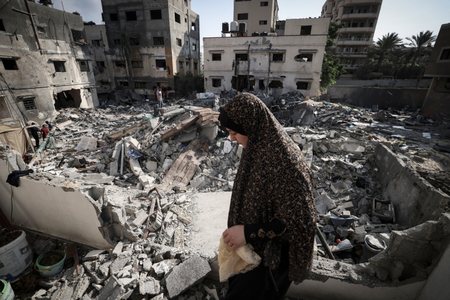
Padyshim, luftërat në Ukrainë dhe Gaza, do të sjellin pasoja demografike të paparashikueshme. Shtetet e tjera të dështuara janë gjithashtu burimi kryesore i refugjatëve dhe azilkërkuesve. Demografia e njerëzve që zbarkojnë së fundmi tregon një përzierje të Lindjes së Mesme, Afrikës dhe Azisë Juglindore.
Në botën e djeshme pa kufij, kjo nuk do të kishte bërë ndonjë diferencë të madhe, pasi lëvizjet ishin më të ngadalta dhe më lehtësisht të zhytura. OKB-ja krijoi institucione për të lehtësuar këtë lëvizje, por ato në fakt i ngadalësuan dhe i bënë thuajse të pamundura.
Kur miliona gjermanë u zhvendosën nga Evropa Lindore pas Luftës së Dytë Botërore, nuk kishte asnjë Konventë të Gjenevës, asnjë Agjenci të OKB-së për Refugjatët dhe asnjë Organizatë Ndërkombëtare për Emigracionin. Ata u zhvendosën më shpejt dhe me shumë më pak dokumente se sa duhen tani.
The bureaucracy we see today is encouraging a large part of people to move illegally, so the phenomenon of human trafficking is increasing. The intended direction of population movements is towards developed countries, which are more efficient in controlling their borders.
The consequence is that developing countries like Sudan, often in crisis themselves, end up receiving the bulk of those forcibly displaced. Countries like Lebanon, where up to 1/3 of its population are refugees, may become unrecognizable in a generation.
Europe and the US are desperately trying to avoid illegal immigration and are facing political crises as a result. Politicians win votes by portraying migrant caravans and their flotillas of small boats as an attack on their borders.
While most states see demography as a threat and close their borders, perhaps some of the Arab Gulf states have the answer in their ability to accommodate a foreign workforce many times larger than their own population.
If the phenomenon of nation-states has existed for almost two centuries, that of population movements and demographic changes has been a reality for millennia. It is irreversible and the main driver of historical changes./ Pamphlet adapted from "Arab News".
Note: Nadim Shehadi, economist and political advisor. He has held senior management positions in universities and research institutes in Europe and the USA.







Lini një Përgjigje