


 Shkruar nga Pamfleti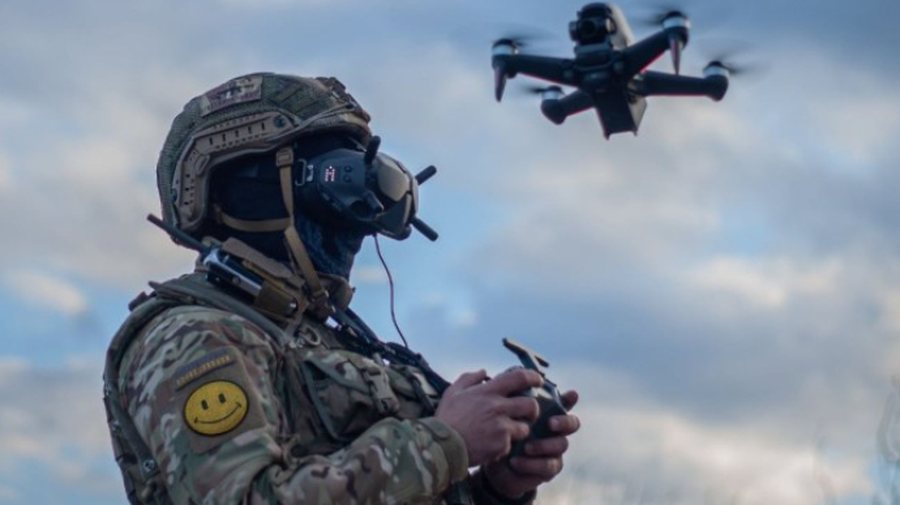
President Volodymyr Zelensky in 2023 came up with an ambition unheard of in the history of war: Ukraine will provide one million FPV drones in 2024.
The announcement, which followed battlefield disappointments and delays in US weapons shipments, pushed this unusual new class of weapons to the forefront of Ukraine's survival efforts and reformed modern warfare along the way.
Drones have been intertwined with modern armed conflict for years before Russian President Vladimir Putin launched aggression in Ukraine in 2022.
But no previous conflict has involved such intensive use of drones in so many forms or roles, writes the New York Times.
After Ukraine repelled Russian advances and fighting moved to the trenches, the destructive qualities and economic benefits of drone weapons were realized.
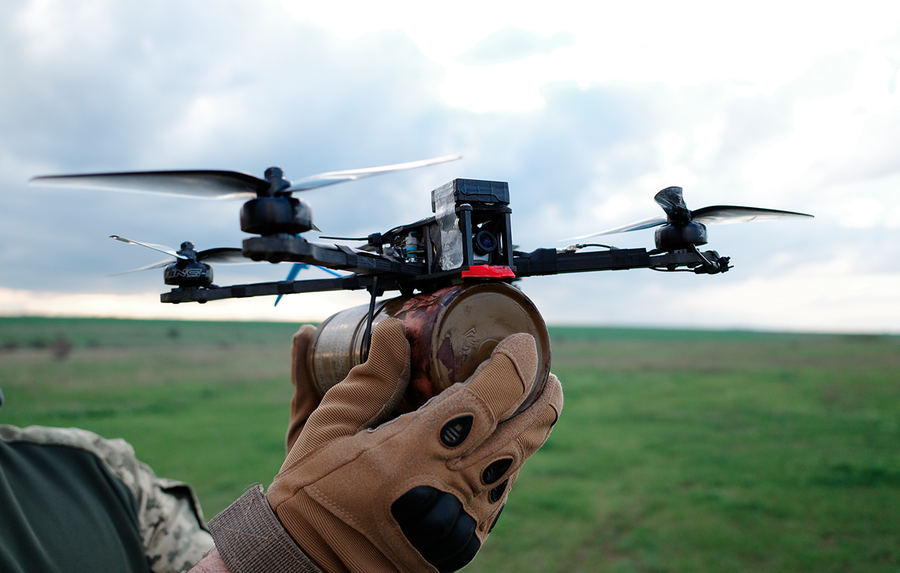
Ukraine initially used mainly models of the Mavic line produced by the Chinese company DJI.
They are descended from radio-controlled toy drones of previous generations, but upgraded with tiny cameras, GPS sensors, easy-to-learn flight apps and rechargeable batteries.
Rugged and relatively cheap, they weighed less than a kilogram and coupled with laptops made them suitable for combat use.
Unlike many fixed-wing drones, these drones can be hand-held and launched from anywhere.
In April 2022, a scout who worked in the film industry before the war joined the unit and brought his Mavic drone with him.
With the help of a drone, Fedorenko quickly arranged for Ukrainian artillery to hit a Russian gas station.
After viewing the enemies through the digital eye of a free square, he realized that standard personal weapons were not enough.
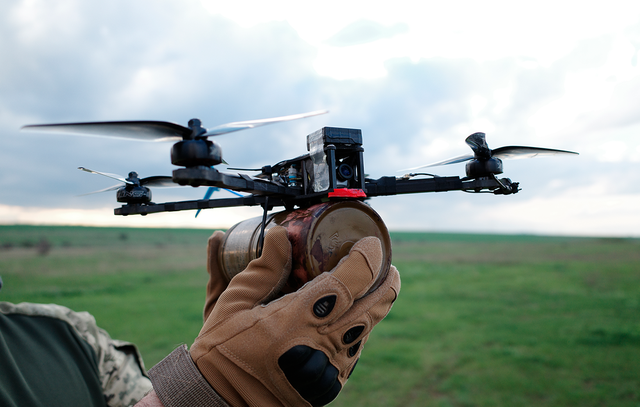
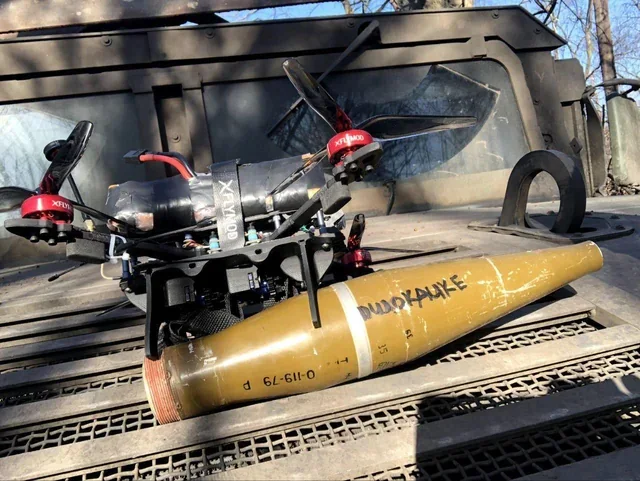
Ukraine began experimenting with another class of drones – FPV drones.
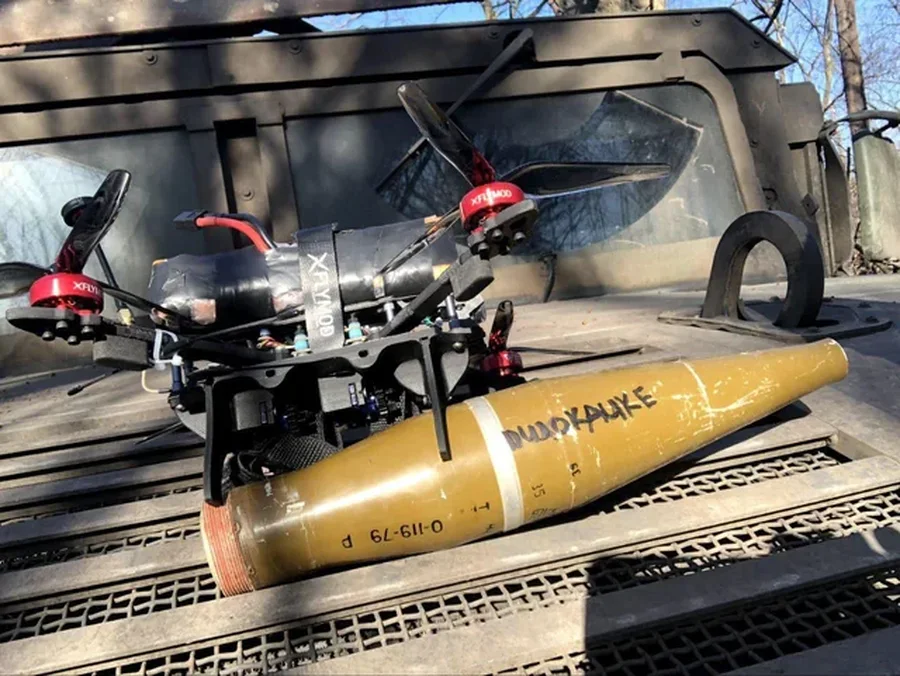
They were operated by pilots wearing goggles and showed live video.
Fast, powerful and cheaper than the Mavic, they attracted attention in mid-2022.
So Ukraine began to use weapons different from what the armies of the world had seen before.
FPV drones combined the power of anti-tank missiles, the range of mortars, and the accuracy of sniper fire, but with an additional feature – airworthiness.
Now they had weapons that could fly horizontally or vertically, change speed or direction, stop in mid-air, and go anywhere.
In Fedorenko's unit alone, drones killed 210 mercenaries from the private military company Wagner, wounded 360 others, and destroyed 23 self-propelled howitzers and other heavy equipment.
By last fall, Ukraine had a new branch of the armed forces dedicated exclusively to unmanned weapons, and Fedorenko's company had grown to a battalion of 500 soldiers.
In October, Zelensky announced that Ukraine had reached its goal of one million drones months ahead of schedule and could now produce up to four million.






Lini një Përgjigje