


 Shkruar nga Pamfleti
While Canadian prime ministers have followed quiet paths after leaving office, Trudeau has chosen a different path.
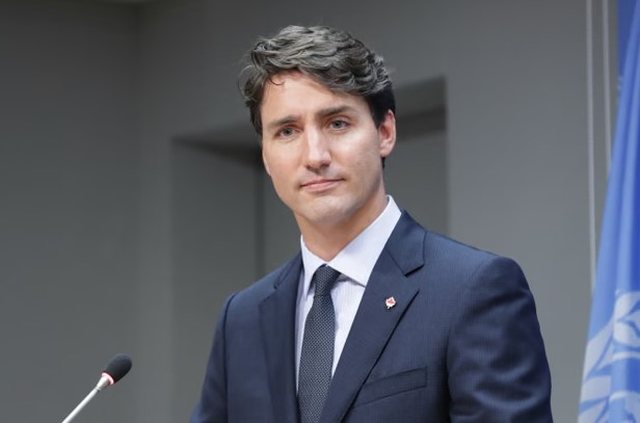
The political downfall of Viktor Orbán in Hungary prompted numerous reactions from progressive leaders around the world, who hailed the result as a return to democracy. One of the reactions that caught attention was that of former Canadian Prime Minister Justin Trudeau, not for the content, but for the context in which it was published.
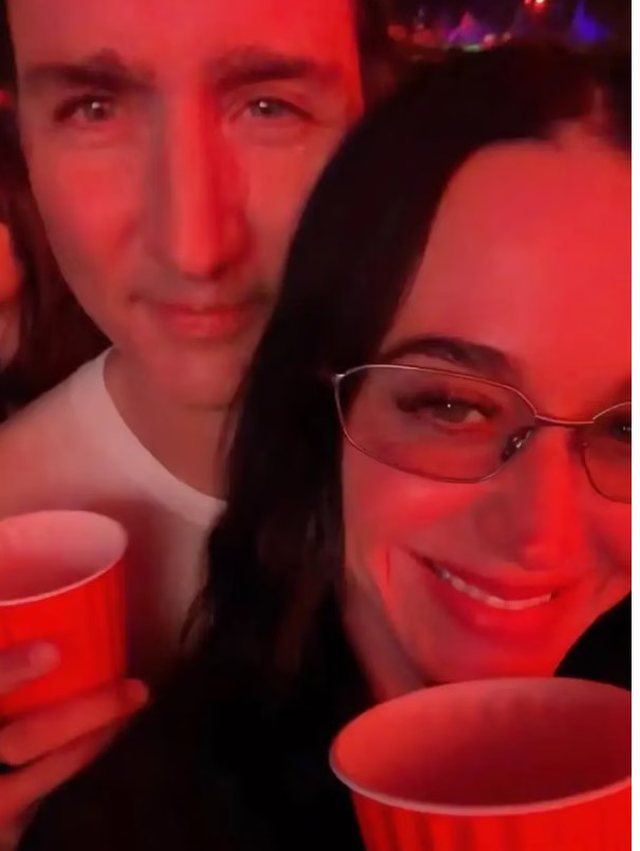
"Hungarians voted for change and a new commitment to democratic institutions after years of degradation under Viktor Orbán," Trudeau wrote, while at the Coachella music festival, where he was attending a concert with his partner, American singer Katy Perry.
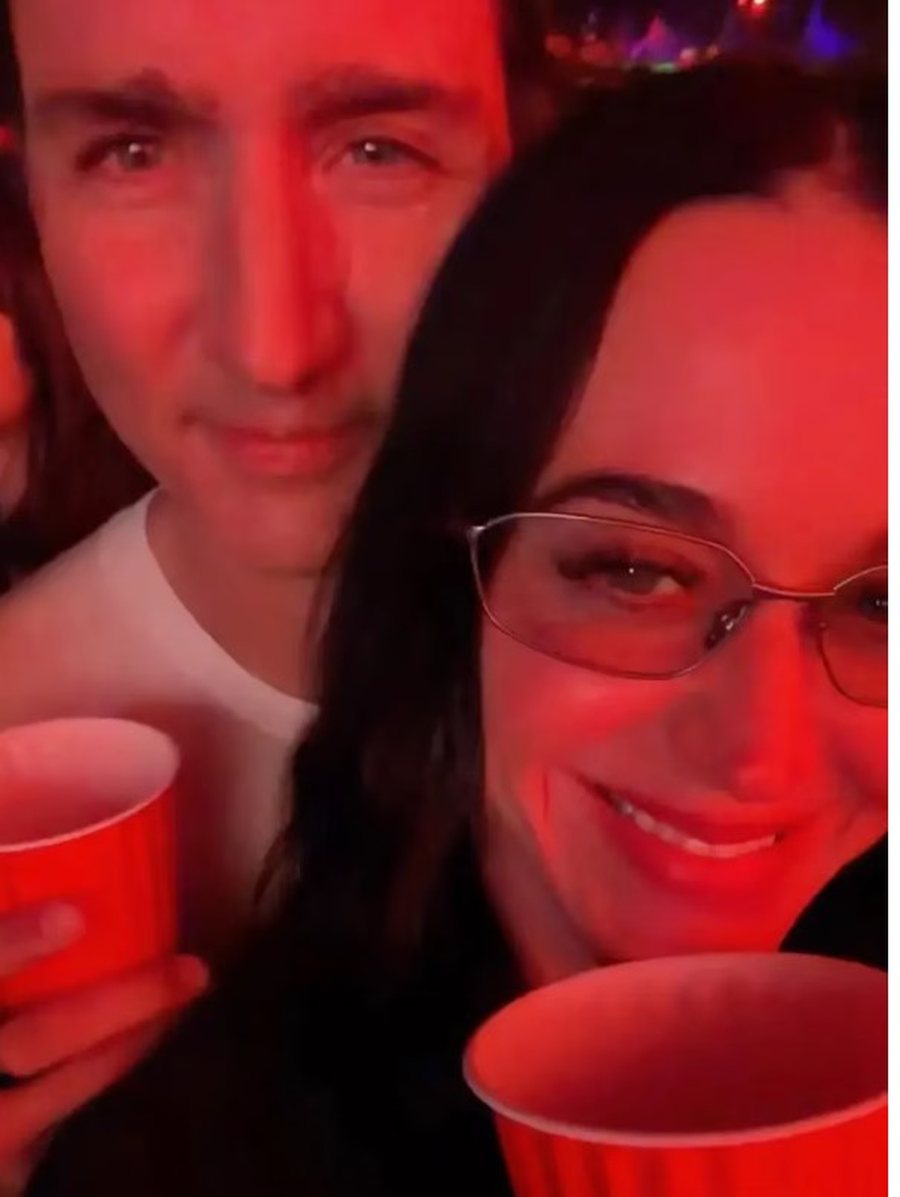
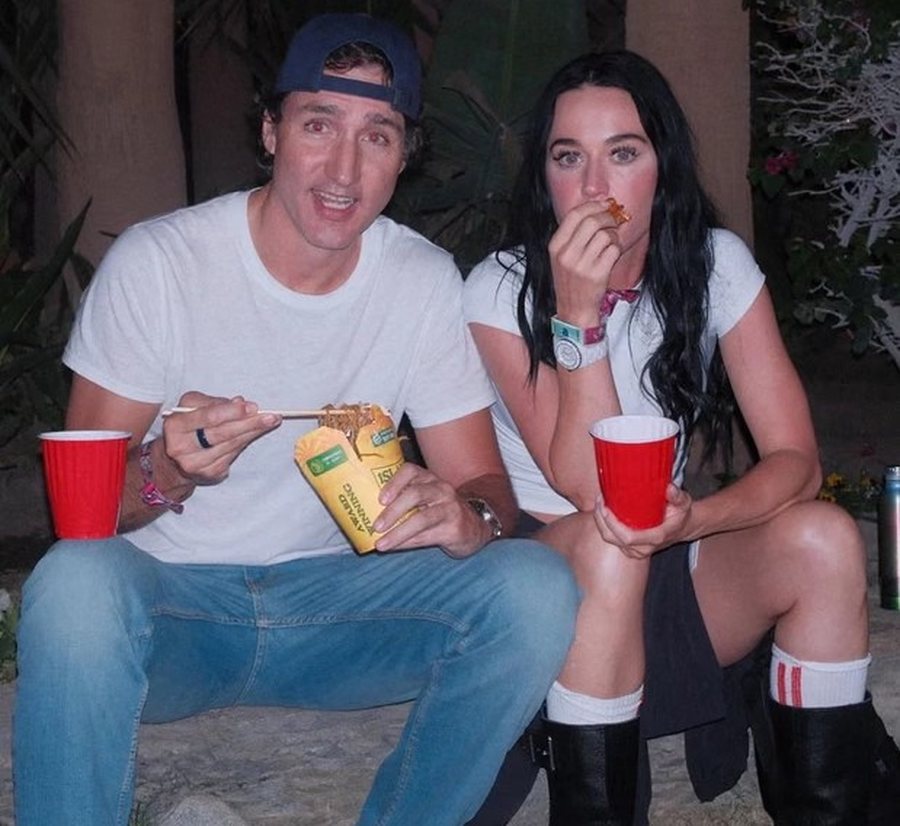
His message, essentially similar to standard statements from former world leaders, stood out for the contrast with the informal setting it was published in. Earlier in the day, Perry had shared a photo of Trudeau eating fast food, dressed simply, far from the traditional image of a former head of government.
According to The Guardian, this contrast reflects the challenge Trudeau faces after resigning in March 2025, after nearly a decade in power: how to shape his political legacy and decide how active he wants to remain on the public stage.
Reactions on social media also highlighted the expectations the Canadian public has for former leaders. “Posting this from Coachella is weird,” wrote one user on the X platform.
Political analyst Susan Delacourt of the Toronto Star points out that the dilemma that accompanies Trudeau is not new: "Is he a profound public figure or a celebrity?" According to her, his supporters see this as a healthy debate between preserving his legacy and enjoying his personal life.
Trudeau's first post after leaving office was a selfie in a regular Canadian grocery store, suggesting a return to everyday life. However, he soon appeared in the company of international celebrities, including Katy Perry, Prince Harry and Olympic athlete Eileen Gu.
Unlike other former prime ministers who have chosen to take a lower profile after leaving office, Trudeau remains active on social media and in public life. According to Delacourt, this is partly due to the fact that he is one of the first leaders to leave power with a large online audience.
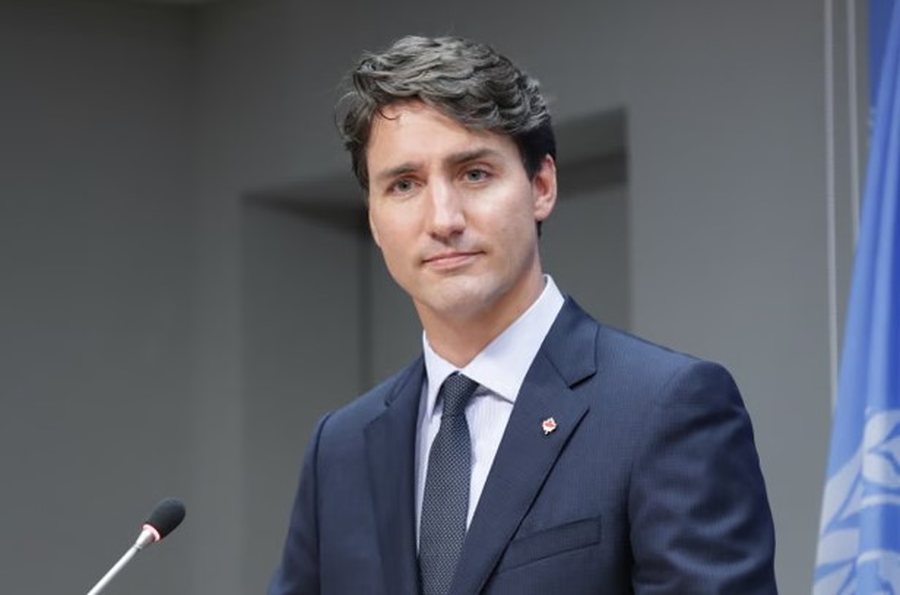
His relationship with fame is not new. As the son of Pierre Trudeau, one of the most charismatic figures in Canadian politics, he entered politics with an inherited symbolic capital. During his term, this was reinforced by media appearances and viral moments, but from time to time it also turned into criticism for a lack of substance.
According to author Stephen Maher, Trudeau achieved more than his late-term popularity decline suggests. He cites the expansion of social policies and efforts for broader inclusion in government, particularly for indigenous communities.
His successor, Mark Carney, is building a more technical and reserved profile, which makes the contrast with Trudeau even more striking. The latter seems freer to embrace the role that has always been associated with him in part: that of a political figure with a global dimension and strong elements of fame.
A year after leaving office, Trudeau's legacy remains open to interpretation within the Liberal Party and beyond. However, one element seems consistent: his international profile.
As Maher points out, building a “global brand” was a deliberate strategy. Despite some miscalculations, the result is clear: Justin Trudeau remains a household name around the world.





Lini një Përgjigje