


 Shkruar nga Andrea Muratore
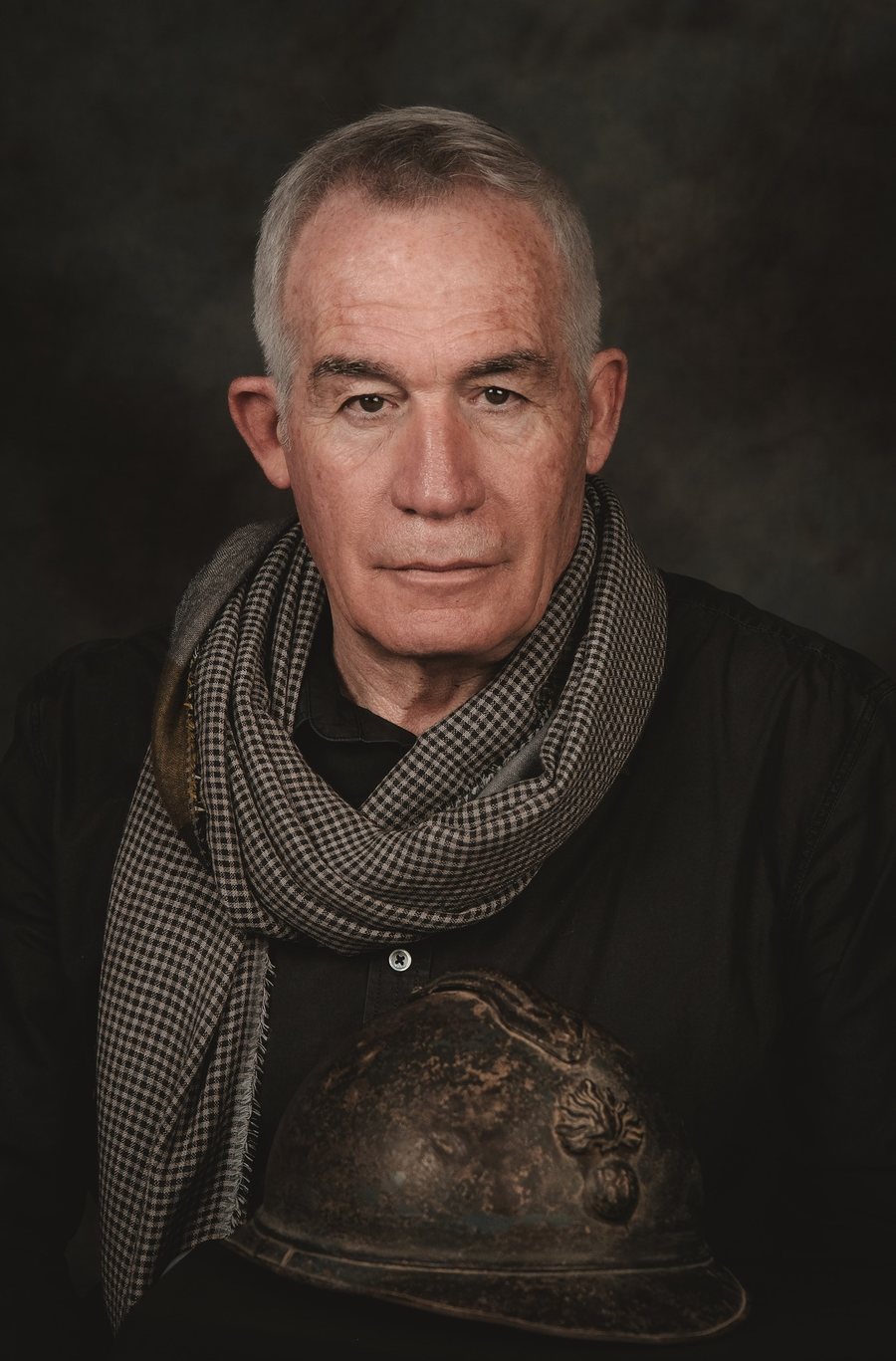
Two wars are being waged on the borders of Europe, and for the Old Continent the time of decisive elections has come. Paolo Capitini, Brigadier General in the Italian Army Reserve, talks about the need for Europe to choose what it wants to be in the field of defense, so that in the future it can really be counted as a power on the current global stage, which has always become and more competitive.
Ukraine and Gaza, two ongoing wars with no end in sight. Are we facing the scenario of "endless wars"?
I believe it is necessary to make a significant distinction between the two conflicts. Unlike the second, the first - the Russian-Ukrainian one - cannot be called an endless war. In fact, this war has a very clearly identified goal that can realistically be achieved either through the use of force or through diplomacy.
For Russia, at stake is the restoration of its living space and at the same time a clear signal to the world, but also from within the country, that it is no longer ready to accept transfers of sovereignty. As for Kiev, it is about freeing itself once and for all from the subjugation of its big neighbor. Although opposite, these two goals make the Russian-Ukrainian conflict fall into the realm of the possible, or to put it in Clausewitzian terms, into the realm of continuing politics by other means.
What about Gaza?
I don't believe the same can be said for the Israeli-Palestinian conflict. On the one hand, Hamas and the Palestinian diaspora in general, announce and pursue the unrealistic objective of erasing the state of Israel from the map, to be replaced by a Palestine "... from the sea (Mediterranean) to the river (Jordan)".
Israel, on the other hand, seems to be pursuing the diametrically opposite objective of a greater Israel, in which the Palestinian issue is magically resolved, allowing it to emerge from the perpetual state of war it has been living with ever since. July 1949. Both objectives are absolutely unattainable, and this makes the war a conflict with no end in sight.
How much has the international order been broken by the simultaneous continuation of these conflicts?
I believe that for more than 10 years, the planet has become accustomed to living with a situation of permanent conflict and contested leadership, in which Ukraine and Israel represent only serious, but episodic episodes.
Israel is currently continuing with the ground operation, and the possibility of an attack on Rafah is not ruled out, as several new massacres of civilians in recent weeks have reduced Western support for Tel Aviv. Is there a military solution to this crisis?
Në lojë janë disa elementë. I pari dhe më domethënësi është kryeministri izraelit Benjamin Netanyahu, i cili jeton në situatën paradoksale të udhëheqjes së një vendi në luftë, pikërisht në momentin kur është në krye të një qeverie me një shumicë të ngushtë (vetëm 2 vota diferencë) dhe vazhdimisht nën shantazh nga ekstremistët ksenofobë dhe anti-palestinezë si Itamar Ben-Gvir, Bezalel Smotrich apo Avi Maoz, përkatësisht liderë të sionizmit fetar që nuk pranojnë asnjë zgjidhje tjetër, përveç vazhdimit të asaj që në sytë e tyre nuk është një masakër, por një luftë çlirimtare.
Kësaj i duhet shtuar fakti që Netanyahu nuk dëshiron të hyjë në histori si kreu i parë i qeverisë izraelite, që mundet në një luftë, dhe për më tepër nga një ushtrie palestineze modeste. Prandaj vazhdon lufta nga pala izraelite, dhe ka shumë të ngjarë që të shtrihet në territoret e Izraelit Verior ose Libanit Jugor.
Po palestinezët?
Pas 10 muajsh luftime, me gjithë opinionin publik botëror në anën e tyre dhe me mbështetjen e një aleati të rëndësishëm si Irani, çfarë arsye kanë ata të dorëzohen dhe të vuajnë një kontroll izraelit akoma më mbytës? Dhe në mungesë të një synimi konkret politik, lufta privohet nga qëllimi i saj themelor:krijimi i një situate, që është përgjithmonë e ndryshme nga ajo fillestare. Ndaj zgjidhja ushtarake nuk përfaqëson një zgjidhje, por vetëm një metodë konfrontimi mes dy palëve, që në realitet nuk duan të flasin me njëri-tjetrin.
Deri në çfarë mase krizat e lidhura me luftën në Gaza, do të ndikojnë tek siguria rajonale?
Shtimi i aktiviteteve ushtarake përgjatë vijës blu, është një lajm kryesor këto ditë. Hezbollahu po i përshkallëzon sulmet me raketa ndaj vendbanimeve izraelite në Galilenë e Sipërme. Ndërsa Tel Avivi po përgjigjet me sulme ajrore gjithnjë e më të rënda në bazat e Hezbollahut, si në jug të Libanit ashtu edhe në veri, në kufirin me Sirinë.
A mund të jetë ky preludi i një lufte të re izraelito-libaneze?
Ndoshta, por nuk mendoj se do të ndodhë menjëherë. Të paktën jo derisa të përfundojë operacioni në Gaza. Por edhe në atë moment lind pyetja nëse Izraeli do të ketë forcën dhe madje nevojën për të vazhduar luftën kundër një armiku shumë më të organizuar, më të armatosur, më të stërvitur dhe numerikisht më të rëndësishëm se milicia e Hamasit.
Për më tepër, ekziston edhe mundësia që një luftë e mundshme ndaj Libanit, do ta detyronte Iranin të ndërhynte drejtpërdrejt në konflikt. Një skenar i tillë, do të çelte skenarë vërtet të paparashikueshëm. Së fundi, le të mos harrojmë se në nëntor në Shtetet e Bashkuara do të votohet për presidentin e ri që mund të rikonfirmojë Biden, i cili është shumë i rezervuar ndaj politikave të Netanyahut.
Or to restore Trump to power with all his unpredictability in international politics. At this point it is easier for me to think about an internal crisis in the Netanyahu cabinet and a new government, but not before the operation in Gaza is over. It is therefore paradoxical to think that it is Hamas that keeps Netanyahu on his feet.
On the other front, Russia has been waging a continuous war of destruction for over a year. How far can this strategy go?
Moscow has yet to demonstrate the ability to use those Long Range maneuvering capabilities that once made the Red Army a truly formidable adversary for NATO. Western supremacy in battlefield surveillance and highly developed and efficient intelligence are protecting Ukrainian forces from any possible surprise that goes beyond the local level. So Moscow cannot secretly realize large concentrations of people, means and materials, which are necessary for achieving local advances but also in the subsequent use of success to advance more deeply.
The EU is under a lot of pressure from these wars. Will the idea of a Europe able to play the role of a great power in the global arena be on the agenda?
The current structure of the European Union does not allow this "consortium of nations" to be equipped with a real army. In fact, an army defends a policy and a territory, and Europe has neither. However, this does not mean that the union should not sooner or later take over the solution of the "Ukrainian issue", especially if and when the United States decides to reduce its involvement.
This last scenario is not at all impossible in the case of the victory of Donald Trump in November, who has made the reduction of American support to Europe one of his electoral battle horses. Will Europe be able to re-emerge on the global stage as a leading power?
First, we have to ask ourselves if she really wants this. To be a great power means first of all to be one in military terms. And not only for the quantity and operational capabilities of the armed forces, but also for the more than concrete possibility of their use in defense of personal interests.
And here we return to the initial assumption. Are there really interests that can be defined as "European"? I think not. What we see are German, Italian, Spanish, Polish special interests and so on. Interests that often conflict with each other and sometimes are not even perceived as such. In short, the road is not only still long, but it is not even marked./ Pamphlet adapted from "Il Giornale"



Lini një Përgjigje