


 Shkruar nga Pamfleti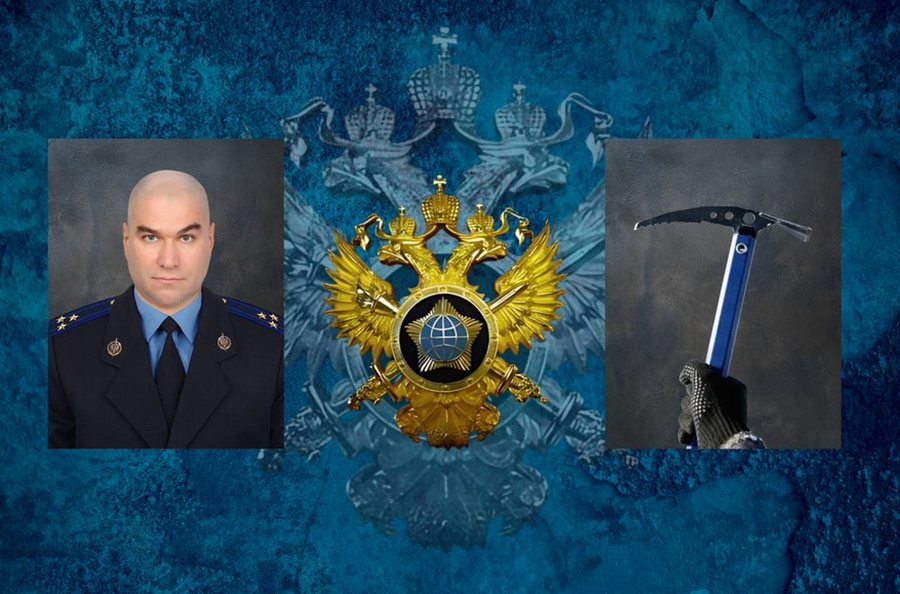
The secret operation was codenamed "Project Kylo", possibly referring to the old Russian word "grab the axe", or an allusion to the Dark Side fighter from the famous Star Wars cinematic saga, who is determined to rule the galaxy. Or maybe both.
The operation was intended to be "completely traceless, with no indication to link it to the Russian intelligence services." However, this did not stop "The Insider" and "Der Spiegel" from investigating her activities, and especially the SVR, which deals with espionage outside of Russia.
As understood from a trove of e-mails and documents uncovered by our journalists, the aim was to incite anti-government sentiment in the West, particularly over liberal democracies' support for Ukraine. And the main emotions that had to be stimulated, as expressed by the SVR strategists, were "fear", "panic" and "horror".
So a psycho-social manipulation campaign copied straight from the Soviet KGB First Main Directorate D Department's Cold War playbook on disinformation. The architect of "Kylo" was Mikhail Kolesov, a smart 45-year-old SVR soldier who previously served in Kabul, Afghanistan.
On May 23, 2022, Kolesov sent himself a document in word format simply titled "Propaganda". It appeared to be the outline of a presentation that Kolesov would make 3 days later at a private round table in the Russian Senate regarding the "information war against the West".
The forum was chaired by former Soviet diplomat-turned hardline anti-Western senator Alexei Pushkov, while well-known spokespeople for Vladimir Putin's regime attended, including Foreign Ministry spokeswoman Maria Zakharova, war experts psychological from the Ministry of Defense and journalists loyal to the Kremlin. Pushkov expressed deep concern at how pro-Ukrainian sentiment was dominating Western internet platforms, just 6 months after Russia's tumultuous war, which was supposed to last no more than 3 days. The Kremlin was losing on two battlefields: physical and informational.
The use of "legacy" state-controlled media outlets such as Russia Today and Sputnik "have shown almost zero effectiveness for decades", and efforts to create friendly social media platforms such as Telegram channels "do not live up to expectations" , while the lack of creativity, hypocrisy and moralizing worsen the current situation".
Kolesov's new proposal, couched in rigid language—critical theory, pseudoscience, and marketing jargon—intended to offer a new scheme to the Kremlin's propaganda approach. Instead of making direct pro-Russian arguments, SVR should aim, he says, at the internal contradictions between the ruling elites in the West.
This would be accomplished through the creation of fake NGOs - in reality funded and directed by Kremlin agents. - to incite anti-establishment demonstrations in the territory of the "glavnyi protivnik" (main adversary), as the United States is known among Russian special services and within its "satellite" countries.
The fake ads disguised as news headlines, all created by SVR recruits, would be visible on most computer or mobile screens used by the target audience in the West, enticing them to click and read “ Internet resources controlled by us".
The strategy that Kolesov proposed was for these fake NGOs to appear more pro-Ukrainian than legitimate civil society groups, making sweeping demands on Ukrainian refugees so that their advocacy would appear unreasonable to the local electorate.
The method of appropriating and then discrediting a cause from within through an extremist stance is typical of the Russian secret services. The most notorious example was "Operation Faith", an early success of Felix Dzherzinsky's CHEKA, the predecessor of the KGB, that was used against the anti-Bolshevik diaspora in Europe.
Agents sent by Moscow to infiltrate the ranks of this movement incited strife within it and offered false assurances of widespread support in the USSR, leading to the fall of the leadership into Chekist traps in Russia and ultimately to the delegitimization of Russian organizations. white abroad. Meanwhile, SVR's exploitation of the refugee issue was not merely theoretical.
The German authorities have identified over 20 or so news portals that appear to be legitimate, and that spread fear, with articles titled (in fluent German), "How the Ukrainians are robbing Germany of economic development." The portals are just part of a larger Russian influence operation.
Apart from them, there are hundreds of thousands of social media accounts that post photos with sensational slogans from the Weimar era: "Germans in housing crisis", "Even bread is a luxury", all linked to fake news portals. . The most elaborate version of the "Kylo Project" bears the date January 9, 2023.
According to him, SVR would recruit teams to work in various targeted locations. A website was also created, falsely labeled as an "independent investigative agency", which contained manipulated text, audio and video material posted on YouTube and other social media platforms. .
SVR e mat suksesin e të parës me refuzimin e status quo-së në demokracitë liberale dhe në Bashkimin Evropian, të kompletuara me protesta popullore - jo më shumë se 100 persona, dhe secili i kompensuar me 100 euro secili - kundër institucioneve shtetërore dhe mbi-kombëtare.
Që të gjithë këta filmohen dhe përdoren për “shpërndarjen e mëvonshme mediatike”. Ndërkohë synimet afatmesme, kanë të bëjnë me diskreditimin e Ukrainës dhe të “nazistëve të orientuar drejt saj në sytë e Perëndimit”. Kostoja e këtij operacioni ndikimi, klasifikohet si shumë e lirë në aspektin ekonomik: 3 dollarë për përdorues në muaj.
Gjatë vitit të kaluar, në të gjithë Evropën u vunë re shumë provokime të sponsorizuara nga Rusia, dhe që dukej se kanë lidhje me operacionin “Kylo”. Hulumtimi i një konsorciumi mediatik evropian, zbuloi se një trupë shëtitëse njerëzish të rekrutuar nga rusët, vazhdonte të dilte në protesta në qytetet kryesore si Parisi, Brukseli, Madridi dhe Haga, duke denoncuar dërgesat e armëve perëndimore në Ukrainë.
Investigimi arriti në përfundimin se ata ishin më shumë gjasa të punësuar nga shërbimet sekrete ruse. Madje, u zbulua se njëri ishte një student nga Shën Petërburgu, i cili si të merrte udhëzime nga manuali i Kolesov, dhe kërkonte në internet për vullnetarë që do të pranonin të fotografoheshin në këmbim të një pagese prej 80 deri 100 euro. Imazhet ishin menduar të përdoreshin në mediat sociale për të përçuar mesazhin se protestat kundër Ukrainës, ishin një fenomen masiv në Evropë.
Më pas u përdorën marifete të tjera. Në tetor 2023, jo shumë kohë pas sulmit të Hamasit ndaj Izraelit, qindra Yje të Davidit u vizatuan me spraj në muret e institucioneve hebraike në të gjithë Parisin, imazhet e të cilave u bënë virale në internet. Autorët ishin një çift rusisht-folës nga Moldavia, të cilët u kapën në flagrancë.
Ata i thanë policisë së ishin rekrutuar për ta kryer këtë operacion në emër të Moskës. Kjo fushatë kujton atë të KGB-së në vitet 1950, kur agjentët sovjetikë dhe gjermano-lindorë përdhosnin varrezat dhe sinagogat hebraike në Gjermaninë Perëndimore, me qëllim që të ekzagjerojnë kërcënimin e nazizmit të rikthyer.
Kohët e fundit, 3 burra vendosën arkivole përpara Kullës Eifel me flamuj francezë, dhe mbi to ishte skalitur fraza “ushtarët francezë të Ukrainës”, një referencë ndaj paralajmërimit të presidentit francez Emmanuel Macron, se trupat franceze mund të dërgohen një ditë në Ukrainë për të mbrojtur qytetin-port të Odesës.
Raportohet se ata kishin marrë deri në 400 euro secili për këtë fushatë propagandistike. Për të mos krijuar asnjë fije dyshimi në lidhje me natyrën tinëzare të projektit të SVR, Kolesov dhe Kulemin ranë dakord se morali dhe etika nuk duhet të luajnë asnjë rol në këtë formë të fshehtë të luftës psikologjike.
This is also because Russia's enemies have not taken these considerations into account in their methods. Judging by the dense correspondence between Kolesov and Kulemin, it appears that their activities were coordinated with the GRU, Russia's military intelligence arm. It is estimated that so far more than 1500 activities have been organized against Ukraine and for the division of the West.
Also, in addition to the "Kylo" operation, there is also the "Icepick" operation, which foresees the elimination of the Kremlin's enemies in exile. E-mail exchanges between Kulesov and Kulemin contain 3 schemes of their murder. The most comprehensive dossier refers to a former banker from Russia who currently resides in Boston and who is involved in fundraising for the Anti-Corruption Foundation of the late Russian opposition leader Alexey Navalny. (Because this person is on the kill list, Insider is withholding his name). Kolesov proposes to fabricate false stories about the former banker, as if he was the financier of traitorous FSB officers and the president of Chechnya, Ramzan Kadyrov. Additionally, the target should be charged with embezzling Kadyrov's money.
"We will spread rumors that Kadyrov is looking for him around the world. We will remind the target audience that the last time the Chechens came to Boston was the 2013 marathon bombing," Kolesov added, predicting the involvement of 600,000 people in such a discrediting campaign. Pamphlet adapted from "The Insider"


Lini një Përgjigje