


 Shkruar nga Pamfleti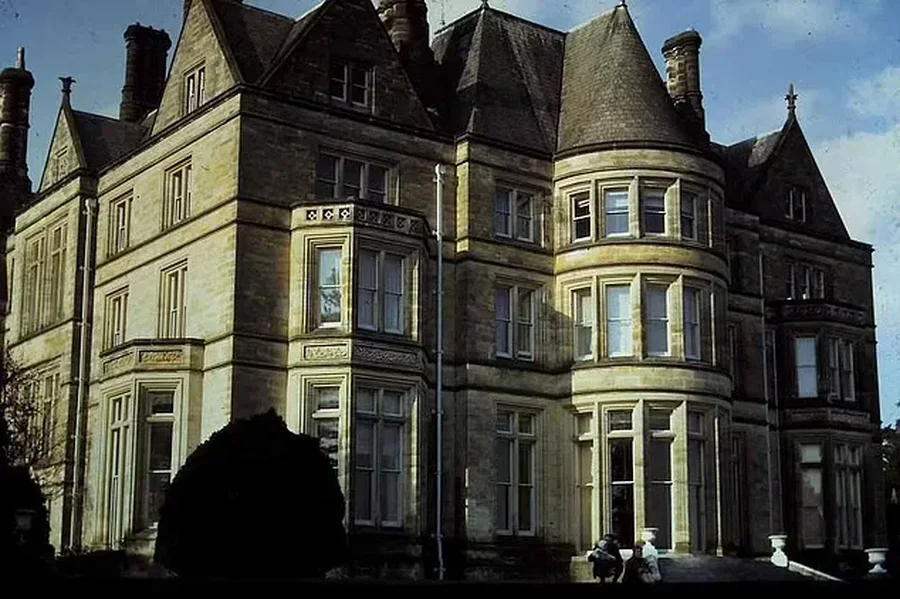
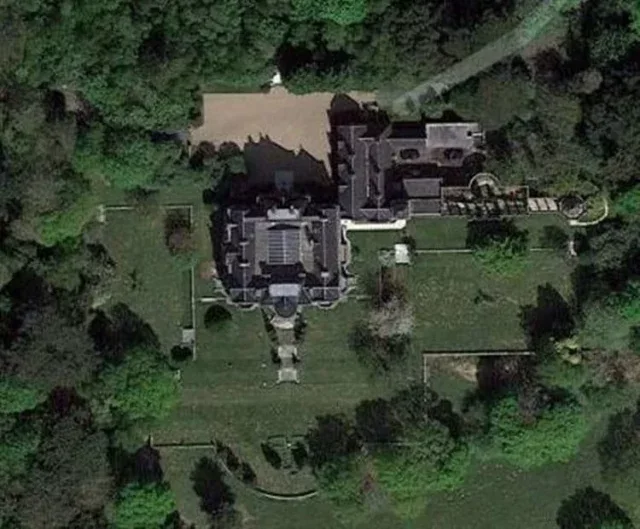
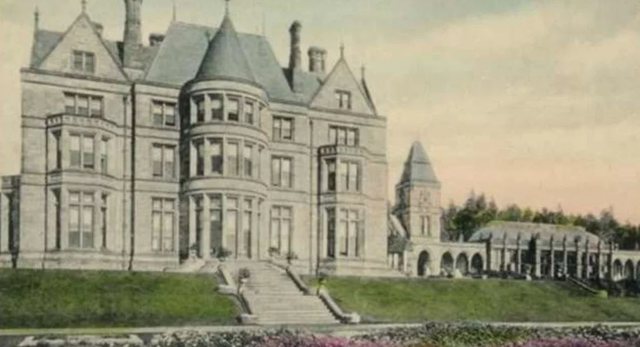
A 'Putin palace' is in the heart of Sussex as the Russian government has owned a 50-room building since 1946, but the property has been targeted by locals since the day it invaded Ukraine.
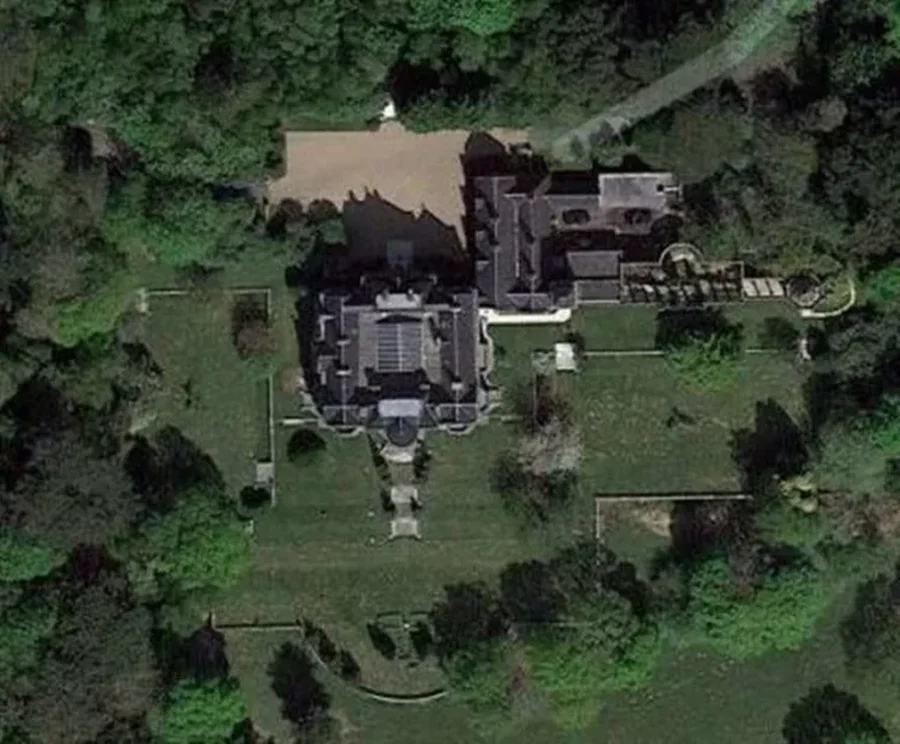
The entrance to the 50-room Seacox Heath, which was built in 1871 for politician George Goschen, has a simple, black wrought-iron gate with a nearby mirror.
However, in the nearby village of Hawkhurst there is concern about the presence of a building owned by the Russian government since 1946. The war in Ukraine has awakened local memories, which sits on a large private plot among acres of land.
For decades it was ignored, but when it became known that it was Russian, residents, outraged by the intrusion, painted pro-Ukrainian graffiti on the entrance. This was followed by the placing of Ukrainian flags outside the entrance and along the embankment by writer and journalist Rebecca de Saintonge.
Until recently, the existence of a Russian diplomatic "dacha" among them was almost unknown to the locals. But last year's protests put the building in the spotlight, raising safety concerns.
Lindsay Barrow, who runs a flower shop in the village, said: "I've known about the existence of the building for a long time and if you look closely you can see lots of CCTV cameras and barbed wire surrounding the place."
“I also saw black Mercedes cars going in and out of the front gates and then we had protests.
We have seen people from Seacox Heath to Hackhurst. They went to the pub from time to time.
I think it's quite strange that the Russian government has a building here in the heart of Kent."
It appears that the residence is the home of the Russian ambassador, Andrey Kelin. When not in use for diplomatic functions, it is managed by an elderly Russian couple.
"After my protest, I visited two policemen. I think they were worried about the safety of the elderly Russian couple who were looking after the house. We removed the flags to help calm the situation," said de Saintonge.
"Obviously the protest was an emotional response to the break-in, but it was not fair to put the elderly couple at risk.
Bluey Pratt, 93, who lives in Hackhurst and flew with Bomber Command during his national service in the RAF between 1951-53, said he had no idea the Russians were so close.
"I am really surprised. "I served at the beginning of the Cold War, so we were very afraid of them.
However, some villagers seem unaware of the Russian presence in their community. Elaine Jordan, 79, said: “I had no idea. It's a little disturbing.
Viscount Goshen enjoyed a long political career which culminated in the 1890s when he served as Chancellor of the Exchequer. His son George gave the building to the Soviet Union in 1946, ostensibly as a gift after Russian sailors rescued his son during World War II.
It was originally used as a guest house for the families of trade delegation staff. In 1952, it was described in the Daily Mail as a "Russian country club". It was said to be empty in the winter, but filled with the wives and children of diplomats in the summer.
On weekends, men came to their families. The living room walls are said to have portraits of Soviet dictator Joseph Stalin and other Russian leaders. In the 1990s, the house was known to be the residence of the Russian ambassador. In 1999, sheep were reported to have been attacked.
Farmer Graham Brown claimed his flock of 55 sheep had been mauled by dogs. Eleven pregnant ewes were killed and another six later died of their wounds.
Brown and his brother-in-law claimed to have caught the dogs in the act. However, Russian diplomats denied the claim. An enraged Broën said: "The police are unable to do anything because of the diplomatic situation."
During the Cold War, it was the only place outside London where Russians could go without permission.
KGB officers were once seen by the BBC's foreign correspondent, John Miller, burning secret files.




Lini një Përgjigje