


 Shkruar nga Pamfleti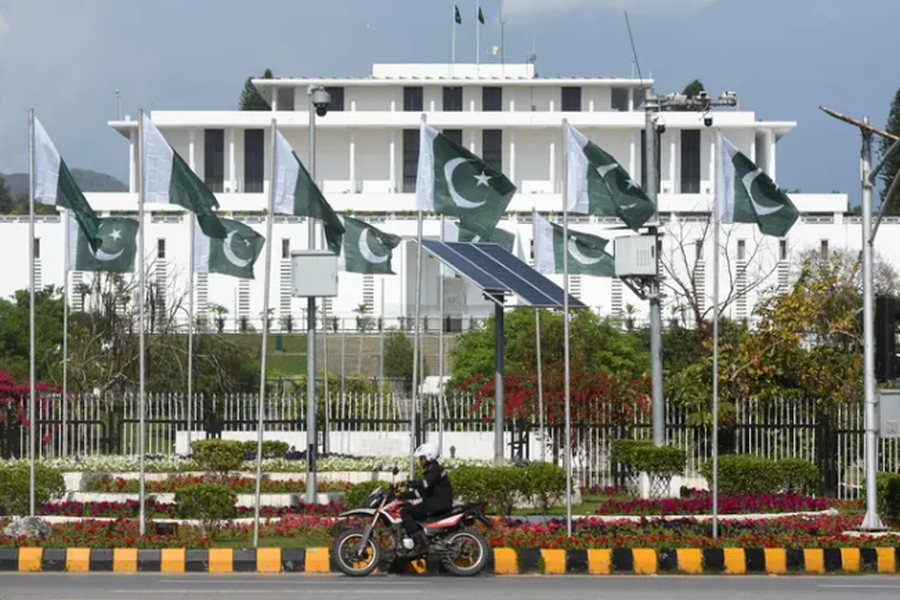
The preconditions raised by the man leading Iran's delegation, such as a ceasefire in Lebanon and the unblocking of billions of dollars in Iranian assets, give some indication of the complexities that negotiators now face.
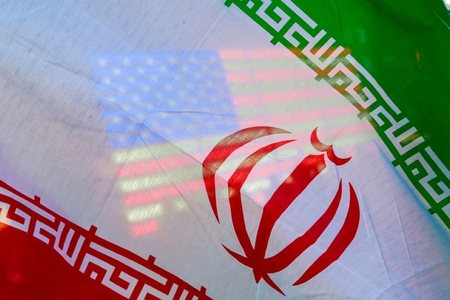
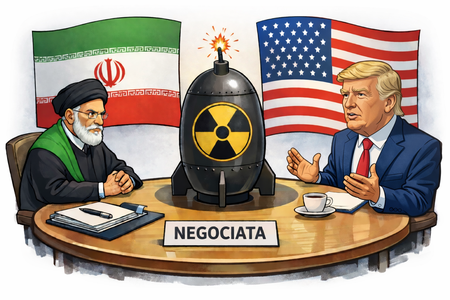
The nuclear issue is the biggest and oldest, at the root of long-standing Western concerns about Iran. The regime insists it has never sought to develop a bomb, but since Donald Trump withdrew from a previous, carefully negotiated nuclear deal eight years ago, Iran has enriched uranium far beyond what it might need for a civilian program.
The US wants Iran to hand over what it has, a problem believed to be under the rubble of a facility near Isfahan, and to pledge that it will never seek to have nuclear weapons. Iran says its right to enrich uranium is non-negotiable.
Then the Strait of Hormuz, not a problem before this war, but now one of Iran's most powerful weapons.
By establishing complete control over one of the world's most important waterways, Iran wants to impose a whole new set of rules governing maritime traffic, possibly including the right to inspect ships, impose taxes, or simply deny access.
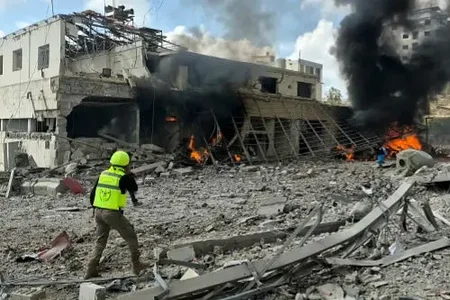
This, for most of the world, especially the Gulf countries, is an unpredictable thing. The problems do not end there. Israel and the United States want an end to what they see as Iran's malign regional influence. Iran wants the complete lifting of all international sanctions and compensation for the damage caused over the past month.
Having been attacked twice over the past year when she thought she was still negotiating, she also wants guarantees that this will not happen again.
No one really thinks any of these issues will be resolved in Islamabad. Given how fragile the situation is ahead of the talks, most people will be happy simply to see the ceasefire survive.



Lini një Përgjigje