


 Shkruar nga Pamfleti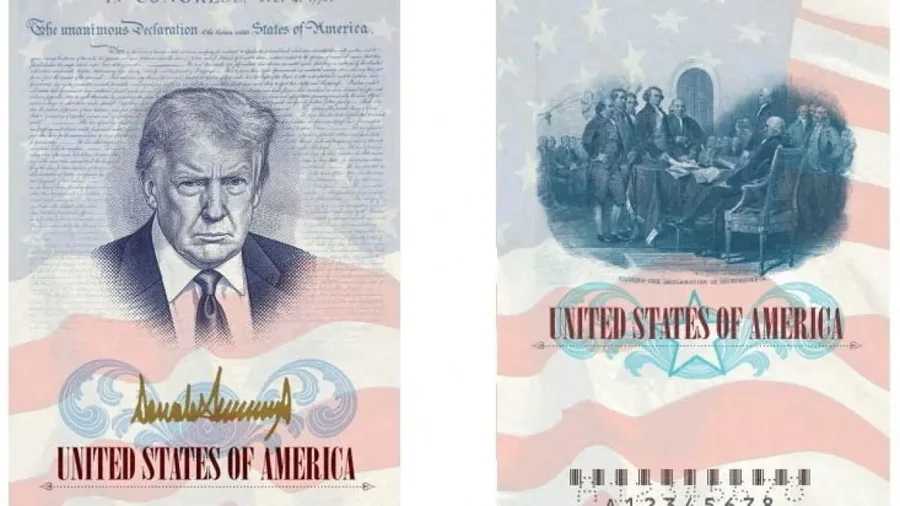
Americans have reacted with confusion and concern.
Donald Trump has long had a tendency to put his name and image on hotels, golf courses, and various products, but in recent months he has intensified this practice even more.
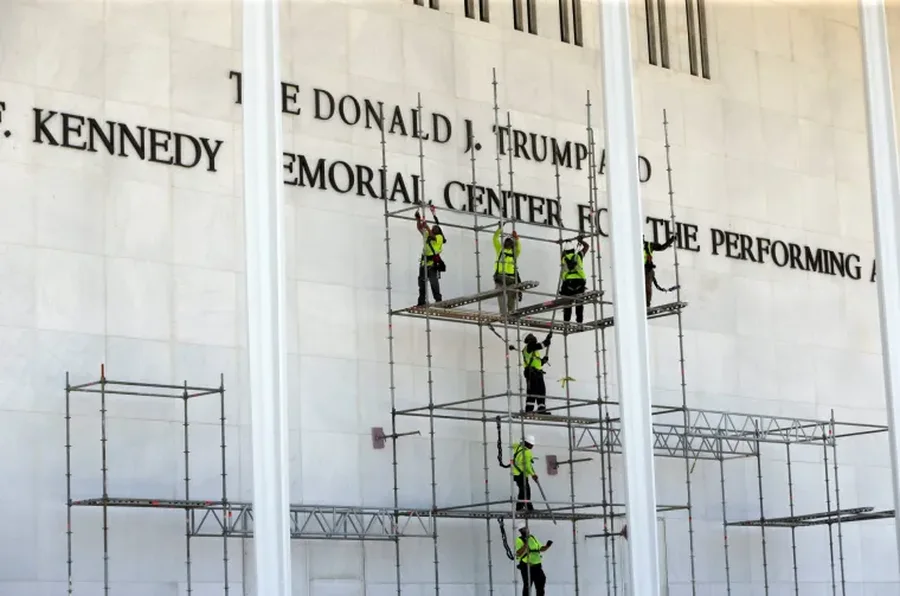
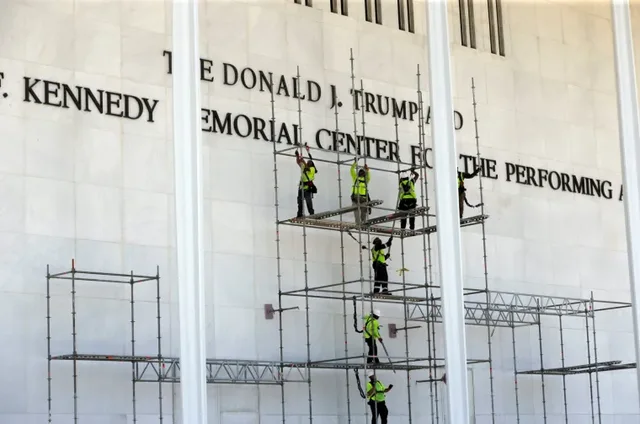
The American president has faced criticism for his plans for a "Trump Arc de Triomphe," which would imitate the famous monument in Paris, for the project of a presidential library with a golden statue of Trump, as well as for the attempt to rename the Kennedy Center (a decision that was overturned by the courts earlier this month).
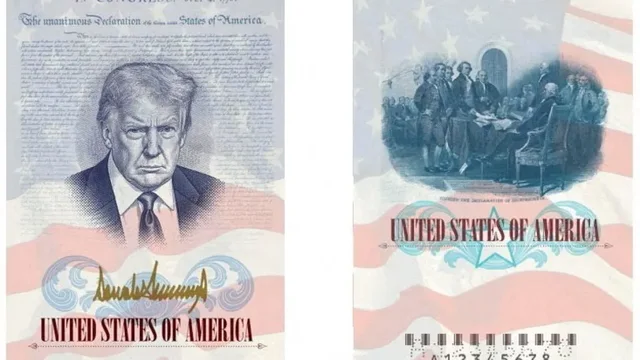
Now, Trump has unveiled a new limited edition US passport featuring his portrait and signature. The passport will be issued to mark the 250th anniversary of the United States' Independence Day, which falls on July 4th.
"The new US passport, which says: 'Welcome, but behave!'" he wrote on the social network Truth Social, also publishing a model of the design.
The announcement has not only sparked backlash, calling it another pointless self-promotional stunt, but has also prompted mockery. Commentators said Trump's message seemed to suggest he was confusing a passport with a visa. Others pointed out that while the policies are what matter, the concept itself resembles the behavior of dictators.
'Cult of personality'
The president has put his name to a wide range of projects for decades, says Dr. Mark Shanahan of the University of Surrey, whose forthcoming book, Trump Unbound, analyzes the former businessman's efforts to consolidate personal power during his second term.
“ He’s never been shy about this kind of self-perpetuation ,” Shanahan said, adding, “the idea of putting his name on everything he touches is completely in his style, from when he was in real estate in New York. It’s all part of the same logic: ‘Look how powerful I am.’”
Trump is the first president to have his portrait placed on a US passport, but the document will only be produced in a very limited series of about 30,000 pieces and will only be issued to applicants who physically appear at an office in Washington, DC, starting July 6.
Shanahan believes this “transactional branding style” is largely superficial and temporary, reflecting his need to spread the name as widely as possible for as long as he can.
"Whoever the next president is, especially if he's a Democrat, he'll probably allow citizens to switch back to a normal American passport. What's irreversible are his policies," he said.
Edhe profesori John Owens nga Qendra për Studimin e Demokracisë pajtohet se “fotografitë mund të hiqen” më lehtë sesa veprimet e tjera të administratës Trump, por shton se presidenti po punon njëkohësisht për të ndërtuar forma ndikimi më afatgjata.
“Trump dëshiron gjithashtu të krijojë kujtesa më të përhershme, duke shpërfillur në mënyrë të përshtatshme dhe të rrezikshme normat kushtetuese, përfshirë ndarjen dhe balancimin e pushteteve në sistemin amerikan,” tha ai, duke iu referuar përpjekjeve të 80-vjeçarit për t’i hequr kompetenca Kongresit dhe gjykatave.
Owens tha se, duke vendosur veten në pasaportë, Trump “po imiton diktatorët autoritarë të së kaluarës dhe të së tashmes”, me synimin për të krijuar një “kult të personalitetit”.
“Duke e shfaqur vazhdimisht imazhin e tij, Trump po e zbeh qëllimisht dallimin e rëndësishëm midis shtetit dhe presidentit në detyrë,” vazhdoi Owens.
Sipas tij, “ashtu si ata diktatorë autoritarë, Trump synon ta personalizojë qeverinë federale, të krijojë përshtypjen e një dominance të pakufizuar, të imponojë konformizëm dhe të kërkojë besnikëri nga qytetarët e zakonshëm amerikanë dhe punonjësit federalë, ndërsa në mënyrë të nënkuptuar ose të drejtpërdrejtë u kujton se po mbikëqyren.”
Tallje dhe frikë
Njoftimi për pasaportën ka shkaktuar gjithashtu tallje. Përdorues të rrjeteve sociale e kanë cilësuar atë “konfuz” dhe “jashtëzakonisht të çuditshëm”. Shanahan vuri në dukje se mesazhi i mirëseardhjes i Trumpit tregon një “keqkuptim të funksionit të pasaportës”.
“Ndoshta, nëse ky mesazh do të ishte vendosur në një vulë vize për njerëzit që hyjnë në vend, do të kishte pasur më shumë kuptim,” tha ai, duke shtuar “mendoj se, si shumë ide të Trumpit, në fillim dukej si një ide e mirë, por ndoshta nuk është menduar deri në fund”.
Të tjerë e interpretuan mesazhin si një paralajmërim të maskuar për personat që kanë fituar shtetësinë amerikane, në përputhje me qëndrimin armiqësor të Trumpit ndaj emigrantëve.
Postimi ka shkaktuar gjithashtu shqetësim. Studiuesi i teorisë kritike të racës, Tim Wise, e cilësoi atë si me një “atmosferë rrëqethëse diktatoriale”, ndërsa të tjerë thanë se ai përforcon pretendimet se Trump sillet më shumë si një mbret sesa si një president.
Putting aside the creepy dictatorial vibe, it's either hilarious or terrifying that Donald Trump clearly doesn't know who passports are for. pic.twitter.com/UYVA4jf35g
— Tim Wise (@timjacobwise) June 26, 2026
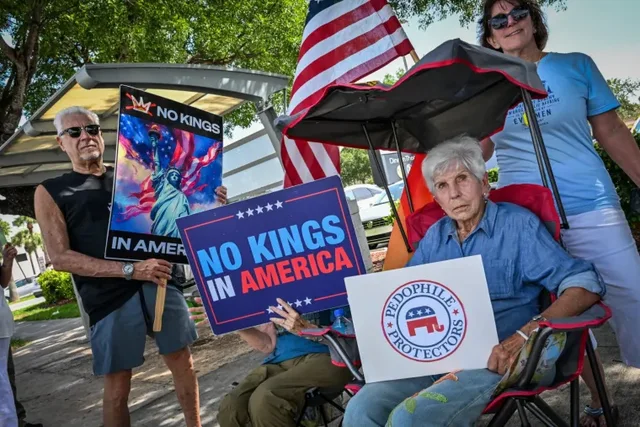
Njoftimi u bë ndërsa gjatë fundjavës në Florida u zhvilluan protesta të reja me sloganin “No Kings” (“Jo Mbretërve”), në kundërshtim me festimet për përvjetorin e organizuara nga Trump.
Those celebrations have already included transforming the South Lawn of the White House into an Ultimate Fighting Championship (UFC) arena to coincide with his 80th birthday a few weeks ago, as well as a campaign-style rally on Washington’s National Mall last week. He plans to hold another “Trump rally” at the same location during the 250th anniversary celebrations next weekend.
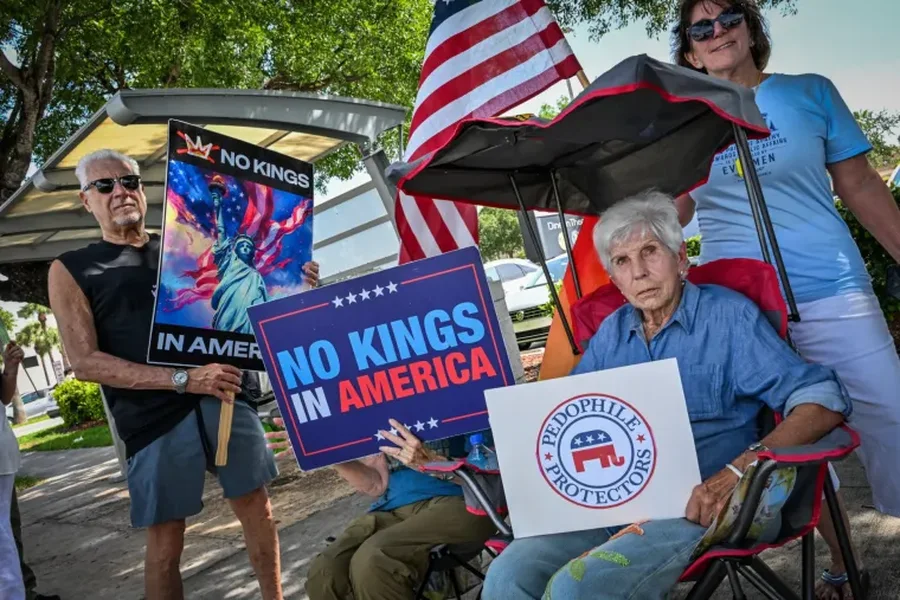
Shanahan believes the passport is just the latest evidence of Trump's desire to " rule like a king ," following a style of government he describes as " autocratic ," citing the massive layoffs of civil servants under the Department of Government Efficiency (DOGE) initiative and the decision to take military action against Iran without Congressional approval.
“ Is this a dictatorship? We’re still a ways off, ” he said, adding, “ but he’s pushing the boundaries as far as he can for personal gain. Trumpism will continue to exist long after Trump himself is gone.” /Adapted from The I Paper Pamphlet /


Definicioni logjik > Diktaturp.