


 Shkruar nga Pamfleti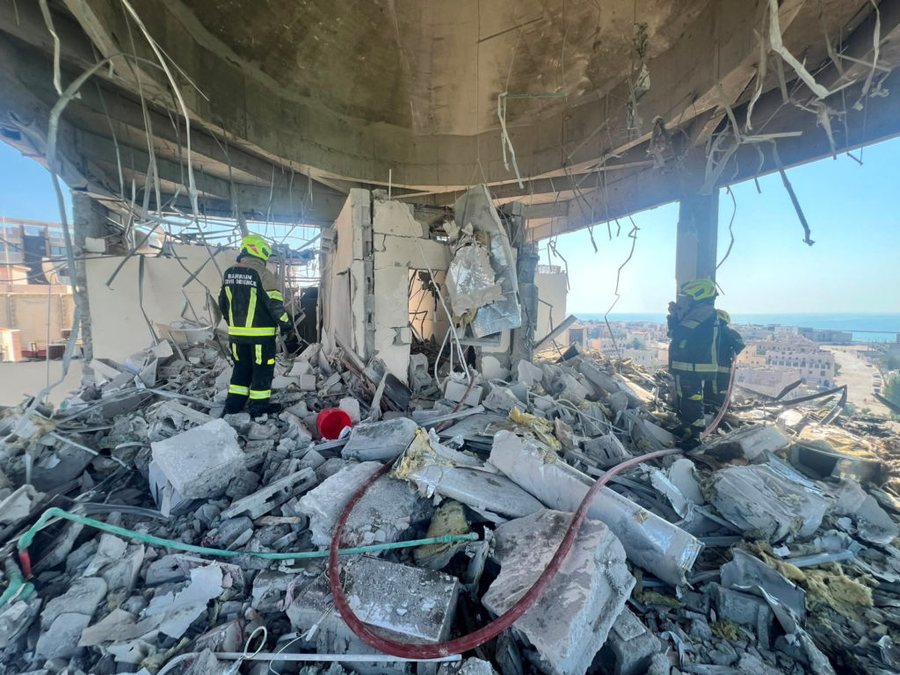
Tehran threatens to break off negotiations if US continues attacks, as clashes threaten temporary ceasefire and stability in Lebanon...
Iran launched drone and missile attacks on Bahrain and Kuwait on Sunday in response to new US air strikes against the Islamic Republic. Tehran warned it would completely break off negotiations to end the conflict if Washington continued military operations.
Another flashpoint remains the Strait of Hormuz. Efforts to reopen this maritime corridor without direct Iranian oversight have fueled the escalation in recent days. A multinational maritime organization, overseen by the US Navy, announced that it would expand the shipping lanes near Oman for ships to enter and exit, a move that Tehran opposes.
The international community considers the Strait of Hormuz an international waterway, although it lies within the territorial waters of Iran and Oman. In recent days, Iran has twice attacked vessels passing through the route near Oman during an evacuation operation supported by a United Nations agency.
Iranian Foreign Minister Abbas Araghchi reiterated that only Iran should have authority over this strategic strait.
"Any attempt to create new or separate mechanisms from those currently implemented by the Islamic Republic of Iran will only lead to further complications, delay the reopening of the Strait of Hormuz, and increase the level of tensions," Araghchi stated.
The United States and Iran are negotiating the terms of an interim agreement, which includes regulating shipping in the Strait of Hormuz, lifting the US blockade of Iranian ports, easing sanctions and the future of Iran's stockpile of enriched uranium. According to the memorandum of understanding signed this month, the parties have 60 days to finalize the agreement.
The agreement aims to temporarily halt the fighting before more complex issues can be discussed. However, ongoing clashes in Lebanon threaten its implementation.
Attacks on Gulf countries hosting US bases
The Islamic Revolutionary Guard Corps claimed responsibility for the attacks on Bahrain and Kuwait.
Kuwaiti military authorities announced that air defense systems shot down Iranian drones and missiles immediately after the US attacks on Iran. They said that two ballistic missiles were also intercepted and there were no casualties or material damage.
In Bahrain, the Interior Ministry said an Iranian strike damaged a residential building near the international airport, but caused no casualties. Published photos showed the top floor of the building destroyed and windows broken.
Bahrain is home to the US Navy's Fifth Fleet, whose base has been the target of repeated attacks during the conflict. The damaged building was not located near the fleet's headquarters.
Bahrain's Foreign Ministry condemned the attacks, calling them "a dangerous escalation" and part of a repeated pattern of aggression by Tehran.

US accuses Iran of violating ceasefire
The US Central Command (CENTCOM) said it struck Iranian military infrastructure, including surveillance, communications, air defense systems, drone depots and naval mine-laying capabilities, following an attack on a Panama-registered tanker carrying oil for Qatar's state-owned energy company.
President Donald Trump accused Iran of violating the ceasefire and warned that the US could take even broader military action.
"If this happens, the Islamic Republic of Iran will no longer exist," Trump wrote on social media.
The current clashes began on Thursday, when an Iranian drone hit a merchant ship near Oman, and the US responded with airstrikes.
According to the multinational organization overseen by the US Navy, maritime traffic in the Strait of Hormuz has increased over the past 72 hours. There were 89 US-supported crossings, still below the historical average of 138 ships per day.
Tensions continue in Lebanon
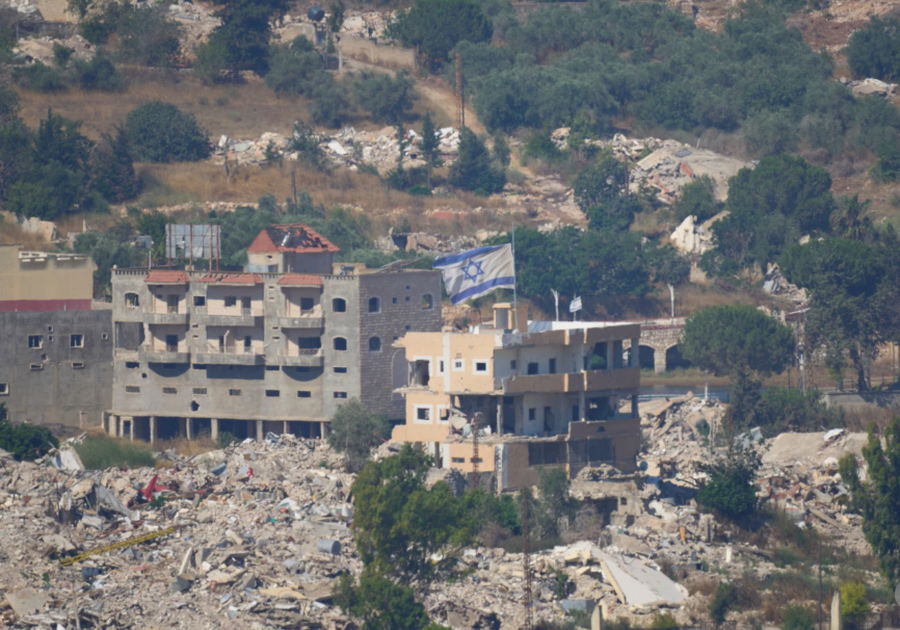
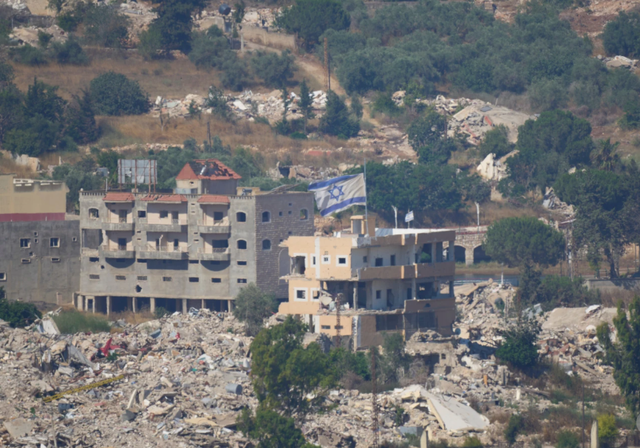
Last week, Israel and the Lebanese government signed a framework agreement to end recent fighting with Hezbollah, an Iranian-backed group. The agreement excludes Iran and Hezbollah, which has opposed it and rejected demands for disarmament.
Araghchi stated that the US must force Israel to stop the attacks and withdraw from southern Lebanon, where Israel controls about 600 square kilometers of territory.
On the other hand, the speaker of the Iranian Parliament, Mohammad Bagher Qalibaf, said that a new "conflict control" unit, created between Iran, the US and Lebanon, should convene as soon as possible.
Although Israeli attacks in Lebanon have decreased following the Iran-US deal, two new strikes were reported on Sunday in the south of the country. Overnight, an Israeli soldier was killed in the village of Deir Siryan by Hezbollah fire, according to the Israeli military.
The Chief of Staff of the Israel Defense Forces, Lieutenant General Eyal Zamir, stated that Israel is ready to quickly resume military operations in both Lebanon and Iran, if the situation requires it. /Adapted from the Associated Press/







Lini një Përgjigje