


 Shkruar nga Pamfleti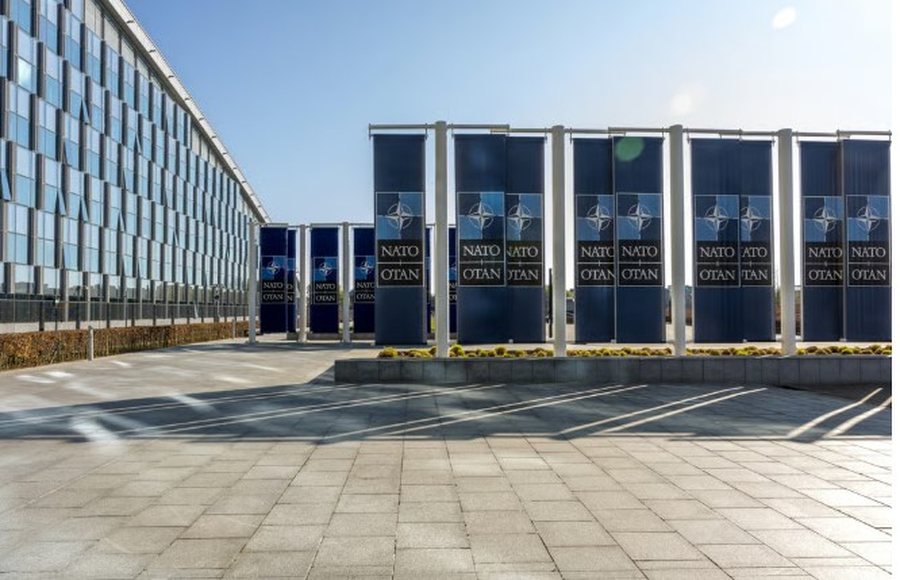
The alliance aims to expand the pipelines to the eastern flank, but some countries oppose the cost and long-term effectiveness of the investment.
NATO's plans to modernize and expand its military fuel pipeline network, with the aim of preparing for a possible conflict with Russia, are facing opposition from some member countries due to the high cost, which according to the proposal amounts to about 26 billion euros.
NATO countries are negotiating to expand the pipeline network, built during the Cold War, from Western Europe to newer members in the east and north of the continent. Some countries had hoped that a deal could be reached during next week's NATO summit in Ankara.
According to four NATO diplomats, who spoke on condition of anonymity because of the confidential nature of the discussions, the debate is dividing countries on the alliance's eastern flank from older members already tied to the existing network.
Supporters of the project argue that the expansion is necessary to meet the alliance's military needs and to show that Europe is willing to take more responsibility for its own defense, in line with US President Donald Trump's demands.
"The alliance's geographic focus has shifted eastward. If we send troops to the eastern flank, it is essential that they are supplied with fuel. You cannot move thousands of soldiers without a reliable supply system," said one of the diplomats.
However, some countries have expressed reservations about quickly approving such a costly project, which would commit decades of investment. Two diplomats said the current proposal would cost 26 billion euros. They also said there were concerns that the investment could focus on infrastructure designed for traditional military assets, such as aircraft, at a time when military technology is changing rapidly.
Poland, Slovakia, Hungary, Romania, the Czech Republic and the Baltic states are the main supporters of the project. Meanwhile, France, Spain, Turkey and the United Kingdom are not ready to approve an agreement before the leaders' summit on July 7-8.
The embassies of France, Spain and the United Kingdom to NATO declined to comment, while the Turkish delegation did not respond to a request for comment from Politico, the media outlet that published the news.
Discussions about modernizing the network have been ongoing for months and reflect NATO's changing priorities following Russia's full invasion of Ukraine in 2022. The alliance is placing increasing emphasis on preparing for a possible Russian attack, a direction that has been reinforced by the Trump administration's pressure to increase European responsibility for defense.
The current network consists of about 10,000 kilometers of high-pressure pipelines that transport refined fuels, including jet fuel, gasoline, diesel and light oil, to depots, military and civilian air bases, refineries and ports in 12 NATO member countries.
Polish Defense Minister Władysław Kosiniak-Kamysz stated last week that there is great readiness, especially in Central and Eastern Europe, for the construction of new pipelines from West Germany to East Germany, Poland, the Czech Republic, Lithuania and the Baltic states.
Martin Vladimirov, senior analyst and energy security expert at the Center for the Study of Democracy in Sofia, said the pipeline expansion reflects a broader shift in NATO planning, moving from operations outside the alliance's territory to the direct defense of its territory.
According to him, warnings from many senior officials that Europe must be prepared for a Russian attack by 2030 have revived interest in dedicated military infrastructure that can function even in wartime conditions.
According to diplomats, the project will take about 30 years to complete and involves dozens of investments, from modernizing pipelines to building new energy storage capacities. They consider it the most expensive initiative financed from common funds in NATO history.
Allies are also discussing which national projects should be prioritized, as most of the funding is expected to be spent during the first five years.
A NATO official, speaking on behalf of the organization, did not comment on the negotiations, but stated that "military requirements for fuel supply are well understood by allies." /Adapted from Pamphlet /






Lini një Përgjigje