


 Shkruar nga Harold James
Europe's fiscal problems are contributing to its political weakness...
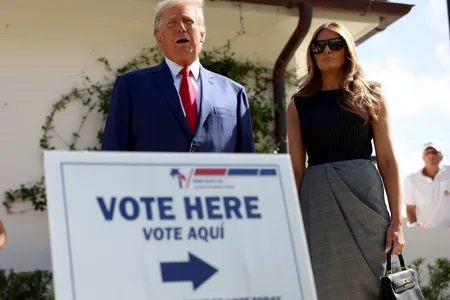
As we enter the new year, it is hard to feel optimistic about Europe. Much of the world is dismissive of the continent, and the administration of US President Donald Trump has been openly dismissive of the European Union. With many EU countries closing down, is a European political renaissance still possible?
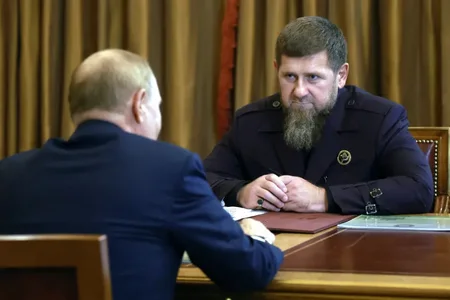
At first glance (and perhaps at second and third glances), the outlook looks bleak. Over the past year, Europe has become an unseemly hybrid: a punching bag and a laughing stock. The Trump administration’s National Security Strategy (NSS) dismissively claims that Europe faces “civilizational obliteration,” and Russian President Vladimir Putin describes European leaders as “little pigs.” While China uses more sympathetic rhetoric, urging Europe to cooperate in preserving multilateralism, key European leaders such as French President Emmanuel Macron and European Commission President Ursula von der Leyen believe that China’s trade imbalances are destroying European industry.
Moreover, Europe’s fiscal problems are contributing to its political weakness. Belgium’s recent rejection of a plan to use frozen Russian central bank assets to support Ukraine may be legally defensible, but it also looks like another case of Europe’s failure to implement the plan.
Yet history offers reason for hope. This is not the first time that Europe has been so vulnerable. The sense of despair and exhaustion was even deeper at the end of the Napoleonic Wars, after the failed revolutions of 1848, and after the catastrophes and horrors of the two world wars of the 20th century. Many Europeans abandoned their continent and moved elsewhere.
In the mid-19th century, German writers and anthologists like Joseph von Eichendorff focused on how Europe’s embrace of progress was clashing with its culture of nostalgia, creating stagnation. The entire continent was tired and sick, tormented by existential pain, Weltschmerz. Similarly, in his indictment of the political settlement after World War I, the economist John Maynard Keynes saw the truth.
Quoting Thomas Hardy's Tolstoyan drama of the Napoleonic era, The Dynasties, he admitted that; "Nothing remains / But vengeance here among the strong / And there among the weak a helpless rage."
Megjithatë, çdo herë, Evropa e ribënte veten duke riimagjinuar se si mund të ishte bota. Ndonjëherë, kjo nënkuptonte ndjekje agresive të perandorisë ose përshpejtim të krizave të reja që do të kërkonin që një Amerikë izolacioniste të vinte në ndihmë. Por ripërtëritja ndonjëherë çoi në përparime më pozitive, me më të suksesshmet që erdhën pas vitit 1945.
Është e zakonshme, veçanërisht duke parë prapa, të thuhet se një koncept i ngushtë i suksesit material formësoi rendin evropian të pasluftës, me lidhjen ekonomike dhe prosperitetin që mbështesnin stabilitetin politik. Por ky interpretim injoron radikalizmin e epokës. Pas krijimit të një Evrope të re fshihej një vizion i ri politik, thellësisht i ndryshëm, i ilustruar më së miri nga Gjenerali Charles de Gaulle.
Ndërsa mendimi gaullist shpesh reduktohet në një vizion të atdheut, l'Europe des patries , ky përshkrim vështirë se i bën drejtësi. De Gaulle solli një perspektivë thelbësisht të re në politikën evropiane, pasi kishte reflektuar thellë mbi antagonizmin franko-gjerman, humbjen e Francës në vitin 1940 dhe vetë-dorëzimin e elitës ushtarake dhe politike të Francës. Ai pa se një plagë e thellë mund të mbyllej vetëm duke i bashkuar të dyja palët. Franca nuk mund ta rindërtonte veten politikisht pa një Gjermani të rindërtuar politikisht.
E njëjta logjikë qëndron në themel të kërkimit të një zgjidhjeje për kërcënimin rus të sigurisë sot. Rritja e kapacitetit mbrojtës të Evropës është një përgjigje ndaj sfidës së menjëhershme, por nuk do të sigurojë domosdoshmërisht stabilitet të qëndrueshëm. Për ta bërë këtë, kërkohet hedhja poshtë e mendimit të sferave të interesit që frymëzon si NSS-në e re të Trumpit, me ripohimin e saj të habitshëm të Doktrinës Monroe (tani "Doktrina Donroe") për Amerikën Latine, ashtu edhe manifestin e Putinit të vitit 2021, " Mbi Unitetin Historik të Rusëve dhe Ukrainasve". Të dy dokumentet pasqyrojnë një obsesion me pretendimet historike, me Putinin që kthehet te pagëzimi i Shën Vladimirit, Rusit Kievan dhe kërcënimin që Komonuelthi Polako-Lituanez i paraqiste Rusisë në periudhën e hershme moderne.
Por nuk ka asnjë arsye për të besuar se amerikanët ose rusët duan vërtet t'u përkushtohen doktrinave të çuditshme dhe jashtëzakonisht të kushtueshme të udhëheqësve të tyre aktualë. Në fakt, një reagim i ashpër po zhvillohet tashmë në Shtetet e Bashkuara, ku një sferë publike ende e hapur paraqet debate të nxehta rreth korrupsionit të administratës, politikave të jashtme transaksionale, deportimeve çnjerëzore dhe krimeve të luftës.
It is also possible to imagine a new Russia. Although the repressive nature of Putin’s regime makes it difficult to gauge true opinion, the signs are there for those who know how to spot them. Consider, for example, the enthusiastic response to Russian-American director Michael Lockshin’s reimagining of Mikhail Bulgakov’s “The Master and Margarita.” Attracting more than six million theatergoers in Russia, it is one of the highest-grossing films in the country’s history.
The American and Russian versions of power politics insist that a military threat requires war and national mobilization. Once the perceived threat loses public credibility, the regimes that rely on it will lose their allegiance to power.
Hardy asked the right question: "Why does it drive the Will to such a senseless act?" While he concluded that everything was destroyed, that "nothing remained," a reversal is always possible. Those who seem weak can still offer a better alternative than the senseless and destructive revenge of the strong./ Adapted from "Pamphlet" by "Project-Syndicate"



Lini një Përgjigje