


 Shkruar nga Giuseppe Gagliano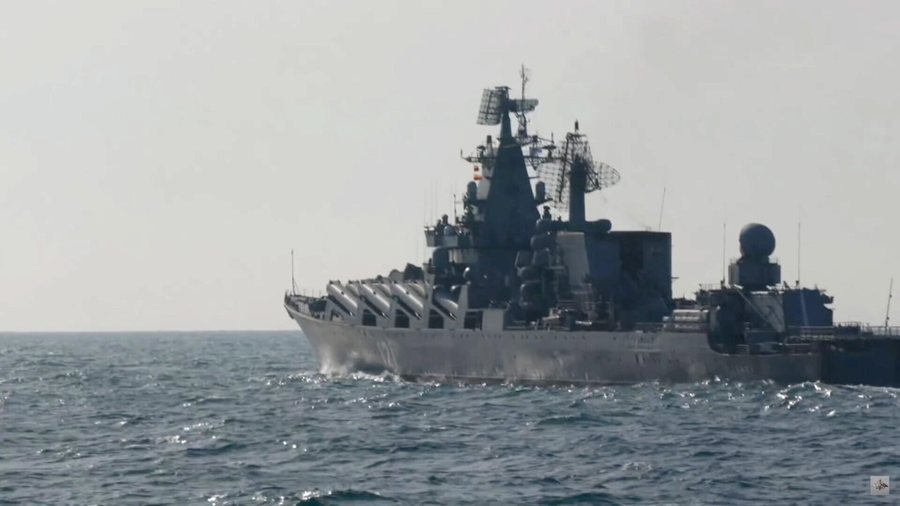
This situation marks a further deterioration in relations between Russia and the West, already seriously compromised by the Russian invasion of Ukraine and the resulting sanctions...
Increased Russian military activity around major undersea cables discovered by the United States represents a growing concern for critical telecommunications infrastructure globally.
These cables, which cross the seabed, are essential for the functioning of the Internet and for the transmission of information and data, making them a high-value strategic target.
Russia may now be more inclined to carry out sabotage operations aimed at disabling those cables, putting a key part of global communications at risk, US officials told CNN.
The seas around Northern Europe have been identified as the main area of interest for Russian activity, reflecting not only the growing strategic importance of the region, but also Moscow's desire to extend its influence in areas sensitive to critical Western infrastructures.
From a geopolitical point of view, this situation marks a further deterioration in relations between Russia and the West, already seriously compromised by the Russian invasion of Ukraine and the resulting sanctions.
If confirmed, Russian activity around submarine cables demonstrates Moscow's penchant for pursuing asymmetric operations aimed at undermining the strategic infrastructure of Western nations without necessarily resorting to direct military conflict. Sabotaging submarine cables can have devastating effects on the global economy, disrupting data flows that support essential industries such as finance, trade and security.
Disruption of these communications could also paralyze Western military commands, which rely primarily on these infrastructures to coordinate their forces.
Such a sabotage operation could be seen as an act of hybrid warfare, a strategy that Russia has already adopted in the past through information manipulation, cyber attacks and clandestine operations. In a context of an increasingly tense confrontation with NATO and the United States, such operations would aim to strike at weak points in Western defense systems and infrastructure, maximizing the destabilizing effect without triggering an immediate military response. .
The disclosed area of interest, i.e. the seas around Northern Europe, is particularly vulnerable to such operations. Russia's proximity to the Baltic Sea and the Barents Sea allows Moscow to more easily deploy specialized submarines and underwater assets that can approach submarine cable routes.
Russian naval activity in the area, already documented in recent years, is part of a broader strategy aimed at consolidating control over strategic regions such as the Arctic, which has become a geopolitical theater of primary importance. The Arctic, in addition to being rich in natural resources, hosts some of the most important sea routes for the transport of energy and goods. Russia's growing militarization in the region, combined with this new undersea cable development, can be seen as part of a broader plan by Moscow to strengthen its geopolitical power, using both economic and military leverage.
The concerns expressed by US officials also reveal a growing awareness among Western countries of the need to protect this vital infrastructure. In recent years, the UK, US and NATO have launched maritime surveillance operations to monitor Russian military activities in these areas and to protect submarine cables from possible attacks. However, the breadth of areas to be surveilled and the covert nature of submarine operations make effective protection of all critical routes extremely difficult. Any act of sabotage, even if localized, can cause significant damage and require a long time to repair, with potential global impacts.
From a broader perspective, Russian interest in undersea cables also reflects the growing strategic importance of digital infrastructure in modern geopolitics. In an increasingly interconnected world, war is waged not only by conventional means, but also through the manipulation of communication networks, the disruption of computer flows and the control of information. Nations that can exercise control over these systems can decisively influence the global balance of power. This scenario emphasizes the need for Western countries to strengthen the resilience of their critical infrastructures, both through the diversification of communication routes and through the creation of advanced defense mechanisms against underwater attacks and cyber attacks.
In conclusion, increased Russian military activity around submarine cables poses a real threat to the security of global communications and underscores the vulnerability of Western strategic infrastructure to asymmetric warfare operations. The response to this new challenge will need to be coordinated internationally, with increased cooperation between NATO allies and the European Union to ensure the protection of these vital routes and prevent an escalation of tensions that could have consequences on a global scale . /Adapted "Pamphlet" from "Inside Over"





Lini një Përgjigje