


 Shkruar nga Pamfleti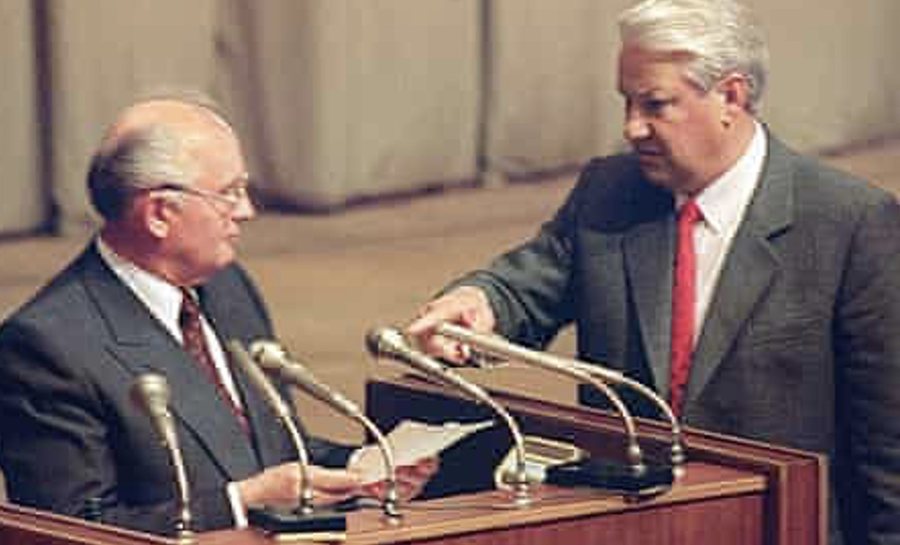
After the failed coup in 1991, the inspiration of perestroika returns to freedom, but only to assist in the last moments of the Soviet Union. The world had changed. A minute-by-minute chronicle of the final delivery
Moscow. Mikhail Gorbachev's freedom has lasted a little. Surviving 4 days of captivity at the hands of the putschists, the founder of perestroika finds himself a prisoner of the Russian Parliament, in the hands of Boris Yeltsin and his deputies: free to move, to speak, to return to the Kremlin, in case that he wants, but politically under protection, subject to the will and even humiliation of his interlocutors.
He had gone to the White House above Moscow, as the citizens called the Parliament of Russia, to pay tribute to the legislators of the largest republic of the Soviet Union and especially to their president, Boris Yeltsin, who with a heroic resistance has made a contribution decisive in the failure of the coup.
He was ready to promise a new, greater cooperation with the democratic forces, to recognize their increased power and perhaps hoped to receive some applause and warmth in return, as the victim of a conspiracy that made the Soviet Union tremble.
But it doesn't happen like that. For an hour and a half, standing in front of a microphone, beaming under the floodlights of television cameras filming his speech live, Gorbachev is reluctantly forced to take on the unpleasant role of the accused before the jury, more and more impatient as the minutes passed, less and less willing to listen and excuse him, almost anxious to have a confession extracted from him, out of incompetence, if not out of guilt.
They accuse him that he still feels socialist, that he does not consider the Communist Party "illegal", that he has chosen, one by one, the people who betrayed him by organizing the coup d'état and that he has delayed the reforms due to his anxiety in the search always of a general consensus. Practically, they condemn him for being a leader who believes in moderation and mediation as instruments to peacefully exit the dictatorship.
Commanded with a stick by Yeltsin like a schoolboy, constantly interrupted by the deputies sitting opposite him, challenged and ridiculed by an audience that today considers him possibly with some basis of truth as the real center of power of the entire country , the Soviet President suffers even more shocking treatment when he leaves the Parliament: a crowd of 2,000 people, partisans of the resistance to the putschists, blocks his limousine procession for half an hour, whistles at him for a long time, screaming "Gorbachev, the blood of the dead" ours is in your hands", "Gorbachev, your place is in the dock".
And in the end only a cordon of 30 armed guards enabled him to return to the Kremlin. It is a process that we are witnessing in the hall of the Russian Supreme Soviet: a spectacle of brute force on the one hand and shocking weakness on the other.
It is immediately clear that things are not good for him. When he enters the presidential podium, together with Yeltsin, an icy silence awaits him. Yeltsin gives life to a clap, but the clapping lasts only a few minutes.
A completely different round of applause erupts when Gorbachev, after taking the microphone, thanks the Russian Parliament "and in particular President Boris Nikolayevich Yeltsin" for winning the challenge with the putschists: the MPs rise in unison, applauding with the enthusiasm of a football stadium . What happened next deserves to be referred to almost stenographically, just like in court debates.
Gorbachev: "... 6 years of prestroika, reforms, have profoundly changed the country...".
Voice from the hall: "Keep going, we've known this for a long time!".
Gorbachev: "...the people did not accept the coup, the armed forces were not ready to line up against the people and the reforms...".
A voice: "Go on, go where you need to go!"
Another: "What are you saying, it's not true!"
Still another: "Speak concretely, inform us!"
Gorbachev (visibly irritated): «What do you want me to repeat to you what I said yesterday at the press conference? Or have you not heard?".
Murmurs of opposition, whistles.
Yeltsin (from the microphone on the podium table): «Comrades, please, keep calm».
Gorbachev: "Okay, okay, you wanted news, here you are." And he communicates the decisions made in the morning, in the meeting with Yeltsin and the leaders of 8 other Soviet republics: the appointments of his 3 ministers, that of Defense, Interior and the head of the KGB, all progressives, all accepted by Yeltsin.
The hall echoes. "I am still gathering information about what happened in the days of the conspiracy, but I can tell you for sure that at least 2 members of the government did not betray me, the Minister of Culture Gubenko, who lined up against...".
Voices from the hall: "Tale!"
Gorbachev (addressing the deputy who spoke): «Why? At first he was silent, but then he resigned in protest...".
Gorbachev: "...however, the other one who has remained loyal to me is Deputy Prime Minister Sherbakov, who...".
The chaos erupts: "No, no, the fairy tale, it's not true, he betrayed, he's like the others, they're all putschists!" in a chorus of screams and shouts. Yeltsin stands up, goes to the side of the podium where Gorbachev is speaking, hands him a piece of paper, turns the microphone away from him and says to the hall: "This is a shorthand summary of the session of the Council of Ministers on August 20, from which it appears that everyone is guilty or did not oppose the coup". Then he returns to sit in his seat.
Gorbachev: "But I really haven't read it yet...".
Gorbaçiovi: «Por Primakovi (këshilltari i tij ekonomik, shënimi im) më ka thënë se…».
Jelcini (i irrituar dhe me zë të lartë): «Mikhail Sergejeviç, të lutem lexojeni atë dokument, tani, këtu».
Gorbaçiovi (konfuz, i sikletosur): «…Po, jo, tani e lexoj, më parë dua të përfundoj diskutimin që po mbaja».
Tregon se ka pritur në Kremlin Ministrin e Jashtëm Bessmertnykh, thotë i bindur se nuk e ka dënuar hapur sa duhet grushtin e shtetit dhe për këtë i ka kërkuar që të japë dorëheqjen. Duatrokitje.
Një ulërimë: «Shevardnadze, rimerr Shevardnadze!».
Ulërimë tjetër: «Jo, Shevardnadze e mbajmë ne! Shumë e lehtë! Duhej të mendoheshe më parë!».
Një zë: «Dokumentin, lexoj, po e lexon apo jo?».
Gorbaçiovi: «Prisni, do të doja të thoja një gjë tjetër. Dua të them se puçistët donin të n asgjësonin, të na shtypin dhe për këtë duhet të ndëshkohen, ama në bazë të ligjit. Duhet të jemi të gjithë të përgjegjshëm, të ekuilibruar, të mos i japim rrugë një gjuetie shtrigash…».
Salla shpërthen, ulërima, fishkëllima, nuk dëgjohet më asgjë.
Jelcini: «Urtë, shokë, urtë».
Gorbaçiovi (i dëshpëruar): «Ju lutem! Ju lutem! Mos harroni se keni përpara vetes një qenie njerëzore. Situata ime nuk është e thjeshtë. Unë them atë që mendoj, e gjitha këtu, çfarë doni më tepër?!»
Presidenti vazhdon: «Kujtoni se rreziku më i madh, dhurata më e madhe që mund t’u bëjmë konservatorëve, reaksionarëve, është përçarja e dorcave demokratike…»
Një zë: «E kemi dëgjuar!».
Një tjetër: «Gjë e vjetër!»
Një i tretë: «reaksionarët në burg! Nuk do të kemi më frikë nga asgjë!».
Gorbaçiovi (i hutuar, hezitues): «Në rregull, tani po kaloj në leximin e dokumentit që më dha Boris Nikollajeviçi…».
Zëra: «Shyqyr! Më së fundi!».
Presidenti lexon përmbledhjen stenografike e mbledhjes së Këshillit të Ministrave, rezulton se anëtarët e qeverisë së tij, të vënë përballë shkarkimit të Gorbaçiovit dhe gjendjes së jashtëzakonshme të shppallur nga puçistët, e pranojnë faktin e kryer njëri pas tjetrit, ndonjë shpreh rezerva, ndonjë tjetër thotë se i duhet të reflektojë pak më shumë dhe nuk e ndjen veten të aftë të thotë aty për aty as po, as jo.
Audienca shpërthen. «Turp! Do të na e paguajnë! Frikacakë!».
Gorbaçiovi duket paksa i gjallëruar, i qëndron lojës, komenton me gjeste dhe me fjalë reagimet e ministrave që e kanë tradhëtuar: «Çfarë thoni për këtë? Më shumë puçistë sesa jo, nuk ju duket?». Për një tjetër, që deklarohet «paksa i paqartë», lëviz dorën sikur do të thotë «çvete, çvete».
Por pastaj arrihet tek Gubenko, ministri i Kulturës, që nga raporti stenografik duket në favor të grushtit të shtetit.
Zëra: «E shikon? Ka tradhëtuar edhe ai!».
Gorbaçiovi: «Po, ama më pas ka dhënë dorëheqjen…».
Leximi arrin tek emri i Sherbakov, zëvendëskryeministri, që ka kërkuar më shumë kohë për t’u shprehur lidhur me grushtin e shtetit.
Zëra të përzier: «Maskarai i fëlliqur! Dhe ti thoje se ishte për t’u shpëtuar? Hekurat, në burg!».
Gorbaçiovi (i dorëzuar): «Po, mendoj se qëndrimi i duhur është dorëheqja e të gjithë qeverisë dhe, nga ana tjetër, lidhur me këtë qemë dakord në mëngjes me Boris Nikollajeviçin…».
Më së fundi një duatrokitje.
Gorbaçiovi (i dekurajuar): «Duke kaluar në një temë tjetër, do të doja të thoja se dekretet e firmosura nga Presidenti i Rusisë Boris Jelcin në ditët e robërisë time kanë ligjshmëri të plotë. Tani duhet të ndryshojmë gjithçka, na duhet një qeveri e re koalicioni e mbështetur nga të gjitha republikatt sovjetike, duhen riorganizuar forcat demokratike, punuar sëbashku…».
Jelcini (duke e ndërprerë): «Shokë, çfarë thoni nëqoftëse unë firmos një deket tjetër për t’i pushuar aktivitetet e Partisë Komuniste të Federatës Ruse (më konservatorja brenda Partisë Komuniste të Bashkimit Sovjetik, qartazi e impplikuar në grushtin e shtetit, shëni im.)?»
Duatrokitje e gjatë entuziaste.
Jelcini: «Dekreti miratohet me aklamacion».
Gorbaçiovi (duke bërë shenjën jo me dorë): «Mendoj se, se, se… Nuk e kuptoj çfarë po bëni. Do t’i takonte Sovjetit Suprem, jo, domethënë, sigurisht unë e respektoj Boris Nikollajeviçin, por, një minutë, sigurisht që nuk mund të thuhet se gjithë Federata Ruse e partisë është e përfshirë në grushtin e shtetit, janë miliona njerëz, miliona punëtorë e fshatarë, midis tyre ka shumë demokratë të sinqertë, ju siguroj për këtë, nuk mund të mohohet, ndalimi i aktiviteteve të Partisë Komuniste Ruse do të ishte gabim…».
Jelcini: «Atëhere të themi se aktiviteti është pezulluar, në pritje që Prokuroria të përcaktojë përgjegjësitë».
Gorbaçiovi: «Ah, atëhere, në këtë rast…».
Një deputet: «Ju besoni apo jo tek socializmi?».
Gorbaçiovi: «Duhet pyetur se çfarë është socializmi, është një ideal që në një shoqëri pluraliste ka të drejtë të ekzistojë, nuk ju duket? Përndryshe kthehemi në metodat e së kaluarës».
Deputeti i dytë: «Ju jeni në favor apo kundër shpalljes së paligjshme të Partisë Komuniste të bashkimit Sovjetik, që është një prej idhtareve të grushtit të shtetit? Përgjigjuni qartë, po apo jo?».
Gorbaçiovi: «Shokë, nuk duhet të kapemi nga histeria antikomuniste. Nëqoftëse partia, siç jam i bindur, do ta pranojë programin e rinovimit të paraqitur prej mete, do të bëhet një forcë demokratike, siç jemi të gjithë ne këtu brenda».
Fishkëllima, protesta, ulërima.
Deputeti i tretë: «Mikhail Sergejeviç, e kuptoni se tash e prapa është ju që keni nevojë për ne, nuk jemi ne ata që kemi nevojë për ju? E kuptoni? Hajde, përgjigju!».
Gorbaçiovi (me një fije zëri): «Vërtet besoj se kemi nevojë për njëri tjetrin, është edhe një mësim nga grushti i shtetit…»
Deputeti i katërt: «Kush do të jetë kryeministër? Po zëvendëspresidenti i ri?».
Gorbaçiovi: «Kryeministri, do të thoja, duhet të vjë nga udhëheqësia e Rusisë. Kryeministri juaj Silajev më duket një kandidat i shkëlqyer. Ndoshta zëvendëspresidenti duhet të vijë nga republikat tona aziatike».
Disa duartrokitje të ndrojtura.
Pyetjet dhe përgjigjet e Gorbaçiovit vazhdojnë.
Yeltsin intervenes to propose that Russia's vice president, Colonel Rutskoi, has been promoted to general: "Do you agree, Mikhail Sergeevich?"
Gorbachev: "Of course, definitely, very well."
Yeltsin: "Okay, friends, for an hour and a half the President of our country has been standing talking to us. Now it seems to me that it is the moment to leave him to his commitments. I also thank him on your behalf". Then the clapping begins, the deputies follow him peacefully, and Yeltsin accompanies Gorbachev to the exit.
The process is over. Tired, exhausted, the ideator of perestroika hurries towards the exit, like a prisoner who has long dreamed of returning to freedom.
(from the book " La fine dell'impero. Ultimo viaggio in Urss " by the author Enrico Franceschini) /bota.al



Lini një Përgjigje