


 Shkruar nga Pamfleti
The assassination of Ayatollah Ali Khamenei marks one of the most critical moments in the history of the Islamic Republic. His son Mojtaba, who took over in the midst of the war, represents both the continuity and the contradiction of the system created after the 1979 revolution…
The assassination of Iran's Supreme Leader, Ali Khamenei, during the holy month of Ramadan marks one of the most significant turning points in the history of the Islamic Republic. His successor, his son Mojtaba Khamenei, represents both the continuation and the contradiction of the system established after the 1979 Iranian Revolution, according to analysts. Ali Khamenei himself had ruled out the possibility of his son succeeding him, after the Islamic Revolution ended centuries of hereditary monarchy.
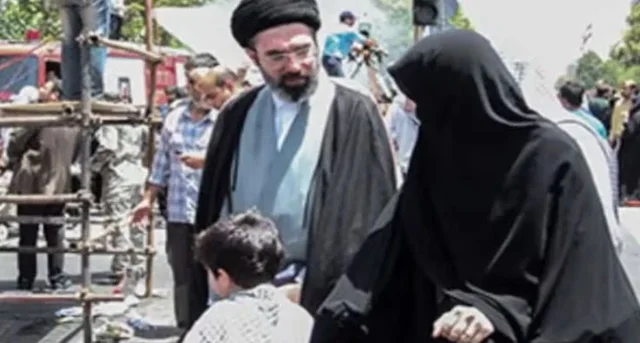
Mojtaba Khamenei, 56, is a cleric who has spent most of his career outside public office but close to power, working in the Office of the Supreme Leader. He was often seen more as a guardian and mediator of power than as a public political figure with an official portfolio.
On March 8, the 88-member Assembly of Experts announced his appointment as the country’s leader after an extraordinary meeting. The young Khamenei had long been an influential but largely behind-the-scenes figure with strong ties to the Islamic Revolutionary Guard Corps (IRGC). It is the first time that power in the Islamic Republic has essentially passed from father to son, a move that many have questioned at a time when Iran is facing the most serious military and political crisis in its history.
Mojtaba Khamenei began to attract public attention in the late 1990s, as his father's power was consolidated. Over time, his reputation became associated with two main characteristics.
The first is the close relationship with Iran's security establishment, particularly the Islamic Revolutionary Guard Corps and its hardline networks. The second is the strong opposition to reformist policies and Western involvement in the country's internal affairs.
Critics have linked his name to the suppression of protests following the disputed 2009 presidential election. He is also believed to have exerted influence over Iran's state broadcaster, gaining indirect control over parts of the country's news landscape and the official narrative. In 2019, Donald Trump's first administration imposed sanctions on him, accusing him of acting officially on behalf of the supreme leader, despite not holding a government position.
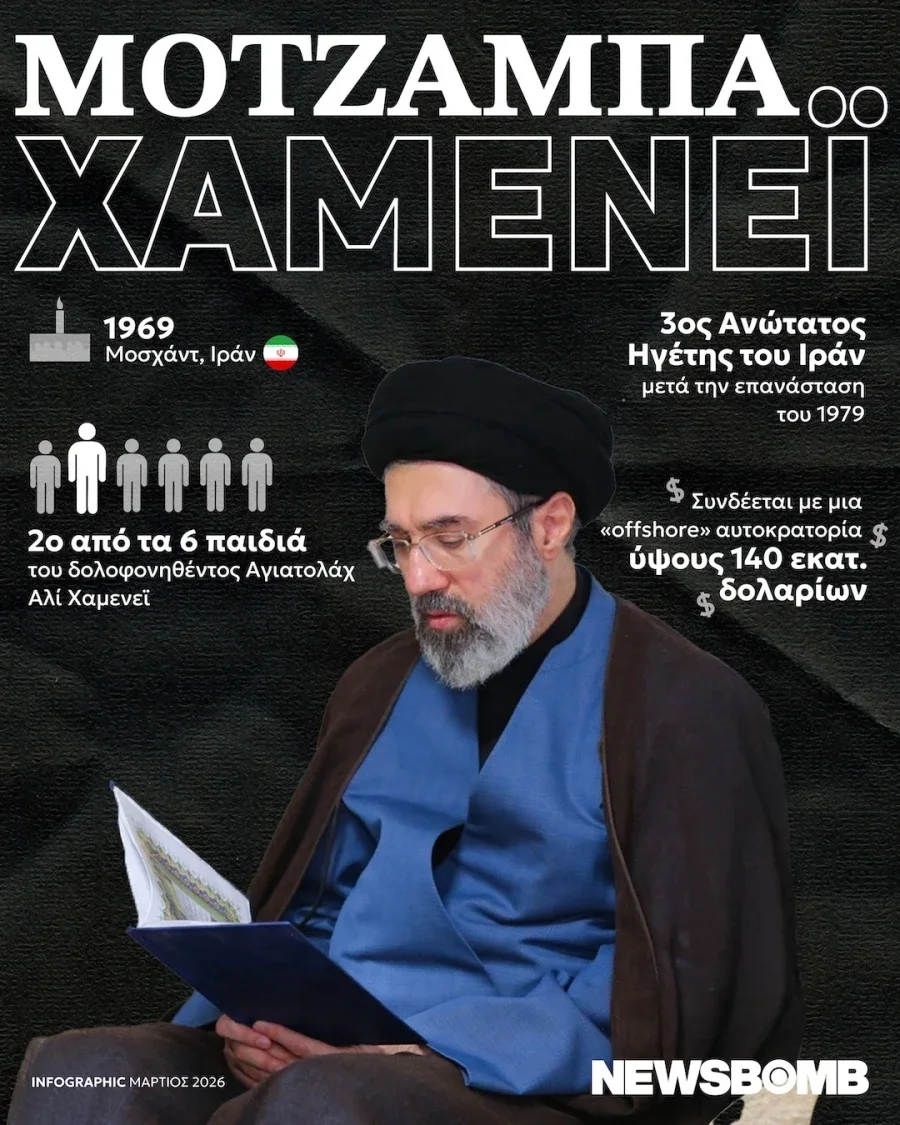
Ai besohet gjithashtu se qëndronte pas ngritjes së papritur të ish-presidentit ultrakonservator Mahmoud Ahmadinejad në vitin 2005 dhe rizgjedhjes së tij në zgjedhjet e kontestuara të vitit 2009, të cilat çuan në protesta masive antiqeveritare që u shtypën nga forcat e sigurisë. Një nga sloganet e protestuesve pro-reformë ishte: “vdis Mojtaba, që të mos bëhesh kurrë udhëheqësi i ardhshëm!”
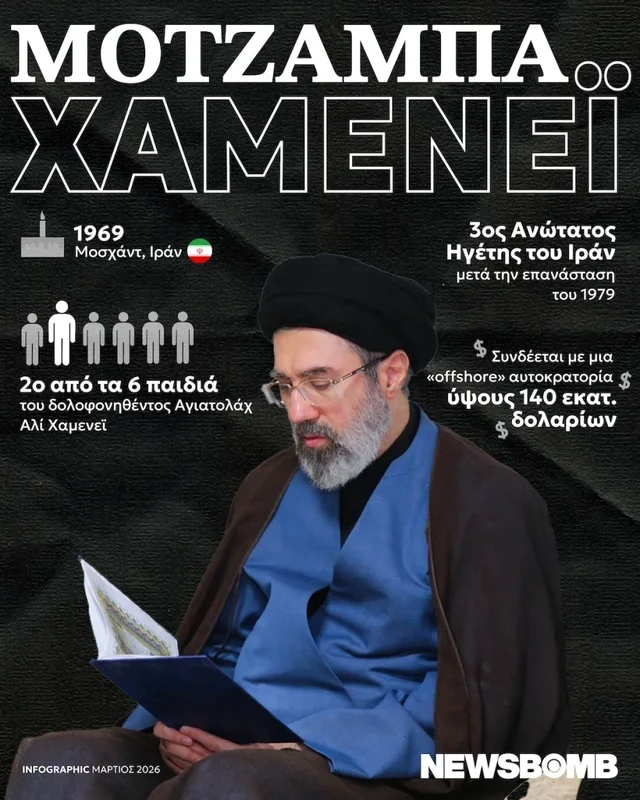
Mojtaba Khamenei është fëmija i dytë nga 6 fëmijët e udhëheqësit të ndjerë. Ai lindi në vitin 1969 dhe u rrit në qytetin e shenjtë shiit Mashhad, në verilindje të Iranit, në një periudhë ndryshimesh të mëdha politike, kur babai i tij u bë një klerik i njohur që kundërshtonte shahun Mohammad Reza Pahlavi. Ai ndoqi gjimnazin Alavi në Teheran, ku arsimohen fëmijët e shumë zyrtarëve të Republikës Islamike.
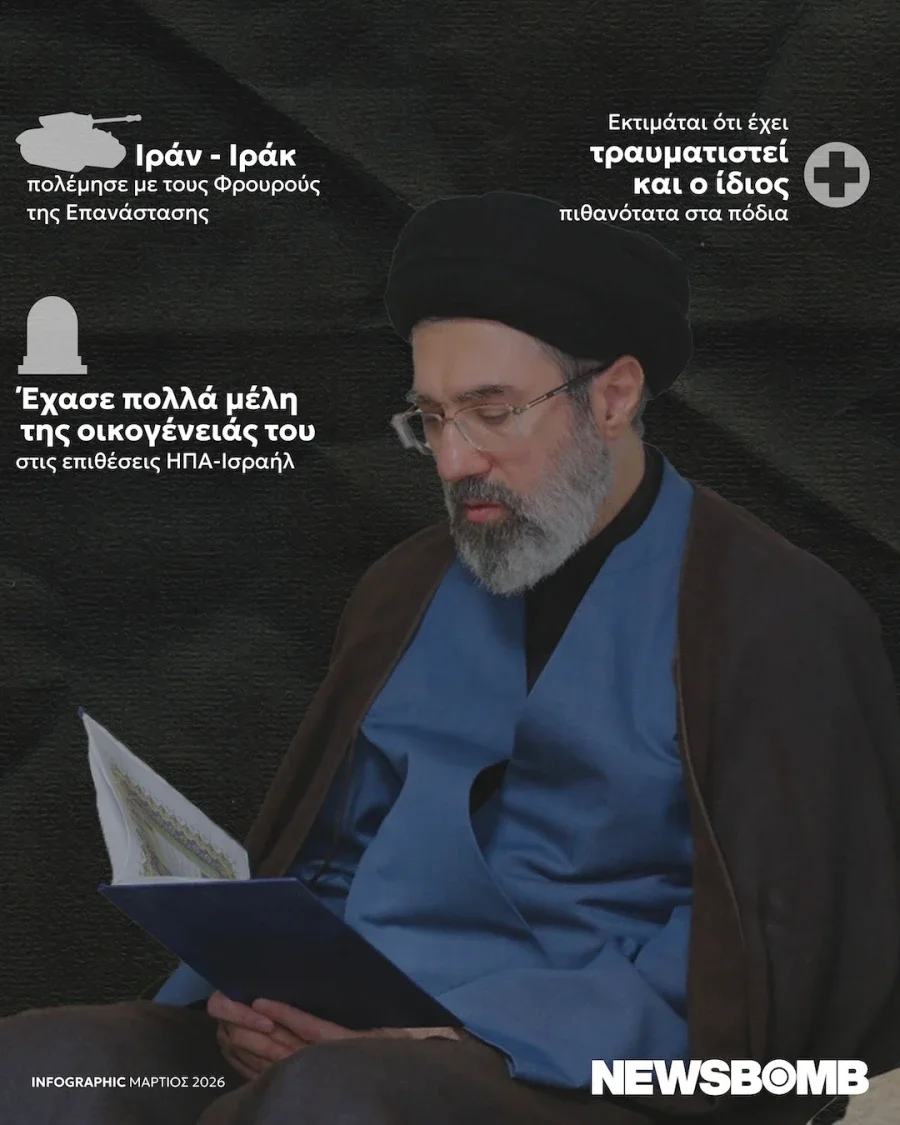
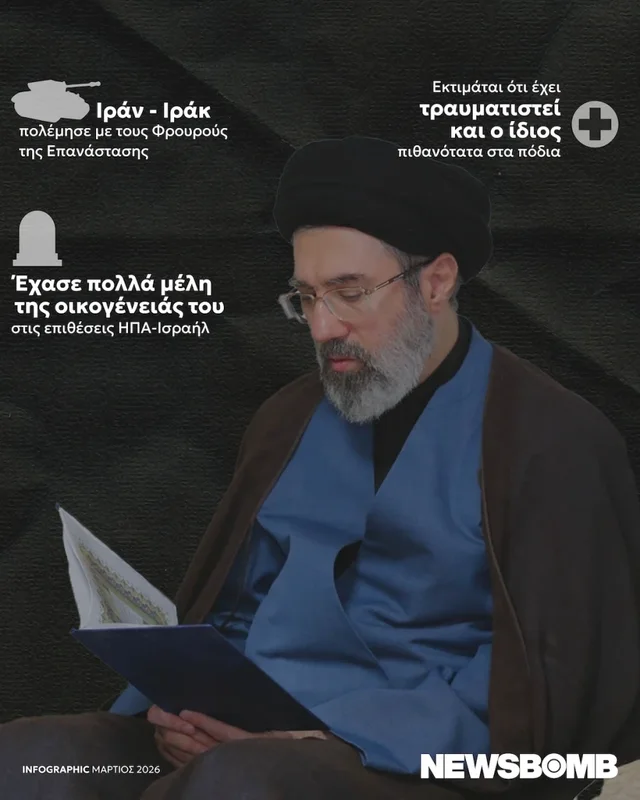
Pas revolucionit të vitit 1979, familja u zhvendos në Teheran dhe Ali Khamenei mori poste kyçe në qeverinë e re, nga zëvendësministër i Mbrojtjes deri te president dhe, më pas, udhëheqës suprem në vitin 1989. Ndërkohë, djali i tij përfundoi shkollimin në gjimnazin elitë Alavi përpara se të bashkohej me Gardën e Revolucionit. Ai shërbeu në forcat e armatosura gjatë viteve të fundit të luftës Iran-Irak, e cila përfundoi në vitin 1988, duke krijuar lidhje me figura që më vonë u bënë aktorë kyç në aparatin e sigurisë iraniane.
Më pas ai vazhdoi studimet teologjike, duke u zhvendosur në qytetin e shenjtë Qom për të studiuar dhe për të ndërtuar marrëdhënie me klerikë ultrakonservatorë. Deri së fundmi ai mbante gradën fetare “Hojjat al-Islam”, e cila renditet më poshtë se grada më e lartë “ajatollah”, që babai i tij e mori vetëm pasi u zgjodh udhëheqës suprem.
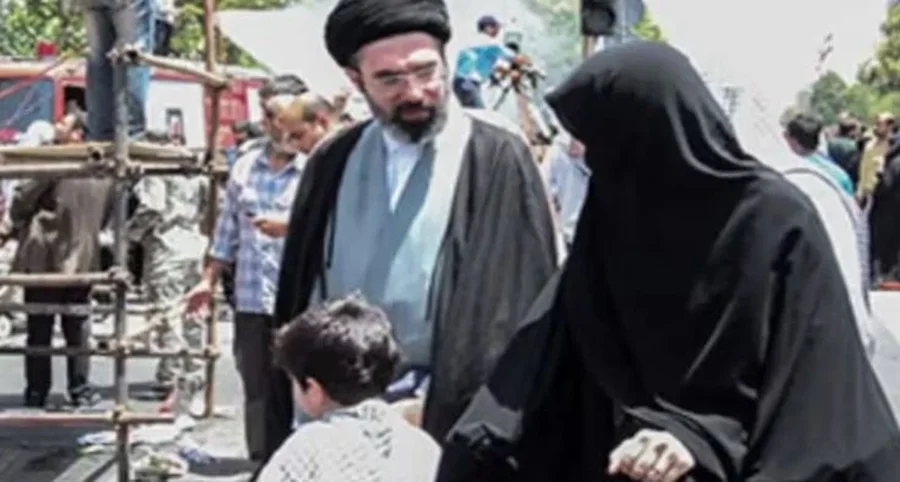
Khamenei forcoi më tej lidhjet politike pas martesës me Zahra Haddad Adel, vajzën e një figure të shquar konservatore iraniane, Gholam-Ali Haddad-Adel, ish-kryetar i parlamentit dhe pjesë e rrethit të ngushtë të udhëheqësit të ndjerë suprem. Çifti ka tre fëmijë, megjithëse për ta ka pak informacione publike. Mediat shtetërore iraniane raportuan se bashkëshortja e Mojtabas, si dhe nëna, motra dhe kunati i tij, u vranë në sulmin e 28 shkurtit që vrau edhe babanë e tij.
Në janar të vitit 2026, Bloomberg publikoi një investigim të gjerë mbi një rrjet offshore pronash dhe investimesh të Mojtaba Khameneit në Londër dhe Dubai. Sipas raportit, rrjeti i pasurive me vlerë mbi 140 milionë dollarë përbëhej nga një strukturë e ndërlikuar kompanish guaskë dhe ndërmjetësish.
Në këtë “perandori” investimesh përfshihen rezidenca luksoze në zonën e njohur si “Billionaire’s Row” në veri të Londrës dhe hotele me pesë yje në të gjithë Evropën. Pasuria e tij përfshin gjithashtu një vilë në Dubai dhe hotele luksoze në Frankfurt dhe Majorka, me financim që thuhet se vjen kryesisht nga të ardhura të naftës iraniane të kanalizuara përmes kompanive fasadë dhe institucioneve financiare në Mbretërinë e Bashkuar, Zvicër, Lihtenshtajn dhe Emiratet e Bashkuara Arabe.
Pronat lidhen me biznesmenin iranian milioner Ali Ansari, i cili sipas raportimeve vepron si përfaqësues i besuar i udhëheqësit të ri të Iranit. Edhe pse ndaj Mojtabas janë vendosur sanksione që nga viti 2019, Bloomberg citon informacione sipas të cilave ai vazhdon të ketë përfshirje të drejtpërdrejtë në këto aktivitete të paktën që nga viti 2011.
Kushtetuta e Iranit përcakton se Asambleja e Ekspertëve, një organ prej 88 klerikësh, zgjedh udhëheqësin suprem. Ajo liston cilësitë fetare, politike dhe drejtuese që duhet të kenë kandidatët e mundshëm. Në praktikë, megjithatë, nuk funksionon si një trupë plotësisht neutrale zgjedhore. Kandidatët për vetë Asamblenë filtrohen përmes institucioneve që në fund ndikohen nga sistemi i ndërtuar rreth udhëheqësit suprem, ndërsa diskutimet e saj mbeten jo transparente.
Kjo krijon një skenar të njohur në Iran: kushtetuta përcakton procedurën, ndërsa establishmenti klerikal përcakton rezultatin. Kjo është e rëndësishme sepse Mojtaba konsiderohet kandidat i mundshëm për postin më të lartë pavarësisht kritikave se nuk ka autoritetin fetar tradicionalisht të lidhur me këtë funksion.
Si klerik i nivelit të mesëm, ai mori titullin ajatollah vetëm në vitin 2022. Ky titull është i nevojshëm për të qenë udhëheqës suprem, ndaj ngritja e tij në këtë gradë u interpretua si një sinjal se po përgatitej të merrte drejtimin nga babai i moshuar dhe i sëmurë. Megjithatë, miti themelues i revolucionit ishte qartësisht kundër trashëgimisë dinastike. Pas rrëzimit të shahut, udhëheqësit e revolucionit refuzuan qeverisjen trashëgimore. Për shumë iranianë, fakti që djali pason babanë në postin e udhëheqësit suprem duket si një kthim pas ideologjik.
Megjithatë, Mojtaba nuk mund ta trashëgonte postin vetëm për shkak të lidhjes familjare. Asambleja duhet ta zgjedhë. Kjo ka qenë në thelb historia e tij politike në Iran: një njeri që ndërtoi ndikim jo duke fituar zgjedhje, por duke kontrolluar aksesin në postin më të fuqishëm të vendit. Rrethanat e vdekjes së babait të tij i shtuan ngjitjes së tij edhe një dimension simbolik dhe, për disa, legjitimitet.
Për shumë myslimanë shiitë, vrasja gjatë Ramazanit ka një domethënie të thellë simbolike. Imami i parë i shiizmit, Ali ibn Abi Talib, u vra gjatë faljes së agimit në Ramazan në vitin 661, një ngjarje që ende përkujtohet çdo vit nga besimtarët shiitë. Kujtesa historike shiite thekson fuqishëm konceptin e martirizimit. Veçanërisht, vdekja e Hussein ibn Aliut, nipit të Profetit Muhamed, në Karbala në vitin 680, simbolizon përplasjen mes drejtësisë dhe shtypjes.
Për shkak të kësaj tradite, vdekjet e dhunshme të udhëheqësve shpesh vendosen në një narrativë më të gjerë sakrifice dhe rezistence. Ideologjia revolucionare e Iranit është mbështetur për një kohë të gjatë në këto tema. Nëse shteti e paraqet vdekjen e Khameneit në këtë këndvështrim, mund të forcojë narrativën e martirizimit dhe rezistencës. Kjo, nga ana tjetër, i jep Mojtaba Khameneit një lloj legjitimiteti fetar me peshë për shumë shiitë.
The most important question for Iran is how different he will be from his father. The answer is probably not as different as one might expect. Ali Khamenei was a figurehead of the revolutionary generation. His authority rested on ideological legitimacy, decades of consolidation of power, and an ability to balance rival factions. Over time, he became the arbiter of the system.
In contrast, Mojtaba Khamenei is often described as a product of the security establishment, rather than a public theologian or traditional politician. He is known less for his speeches or religious authority and more for the influence and networks he has built behind the scenes. If this assessment is correct, the shift would be from a leader who balanced institutions to one who relies more on the power of the Revolutionary Guard.
In a period of war and instability, regimes typically prioritize continuity and control. Mojtaba's appeal to the establishment is due to several factors: his ties to the Revolutionary Guard and intelligence networks, his years of experience in the office of the supreme leader, and his ideological alignment with hardline positions.
US diplomatic cables released by WikiLeaks in the late 2000s described him as “the force behind the mantle.” According to the Associated Press, he was considered a “capable and powerful” figure within the regime.
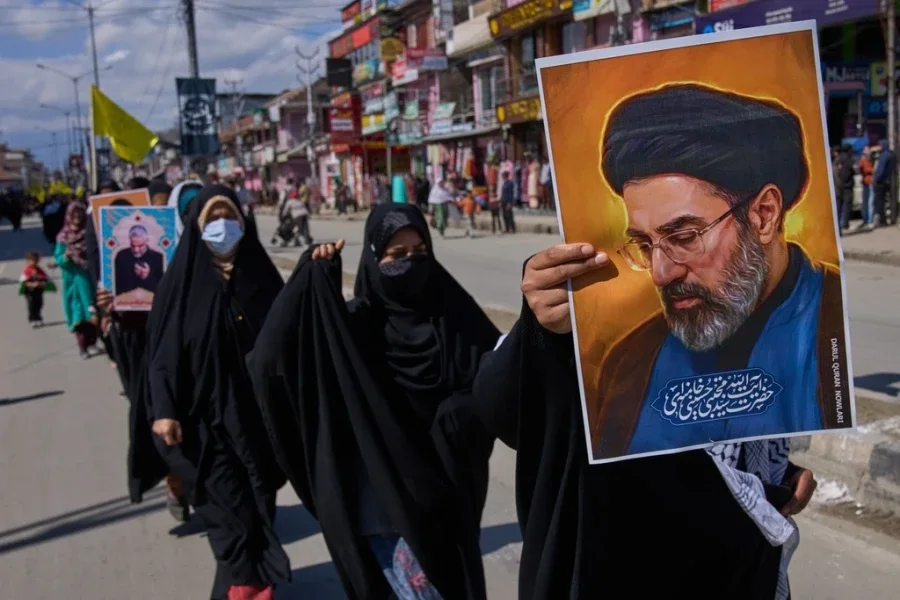
His election sends a message, some analysts say, that the hardliners associated with the Revolutionary Guard remain in power, suggesting that little will change in the near future. A new supreme leader rarely brings about an immediate ideological shift, especially during a military conflict.
Mojtaba Khamenei's profile suggests a more security-focused leadership style. Internal control and repressive measures could be strengthened. Given his ties to the security establishment, unrest is more likely to be met with immediate repression than political compromise.
The Revolutionary Guard could expand its influence in regional affairs, due to its close ties to the new leader. Also, any negotiations with the West are expected to be more tactical than transformative. They will be presented as a strategic necessity rather than an ideological shift.
The fact that his father was killed in US and Israeli airstrikes is expected to strengthen the tough stance towards both countries. In short, Iran under Mojtaba Khamenei is likely to maintain the rhetoric of confrontation, but also pragmatism when it comes to the survival of the regime. / Adapted Pamphlet /


Lini një Përgjigje