


 Shkruar nga Pamfleti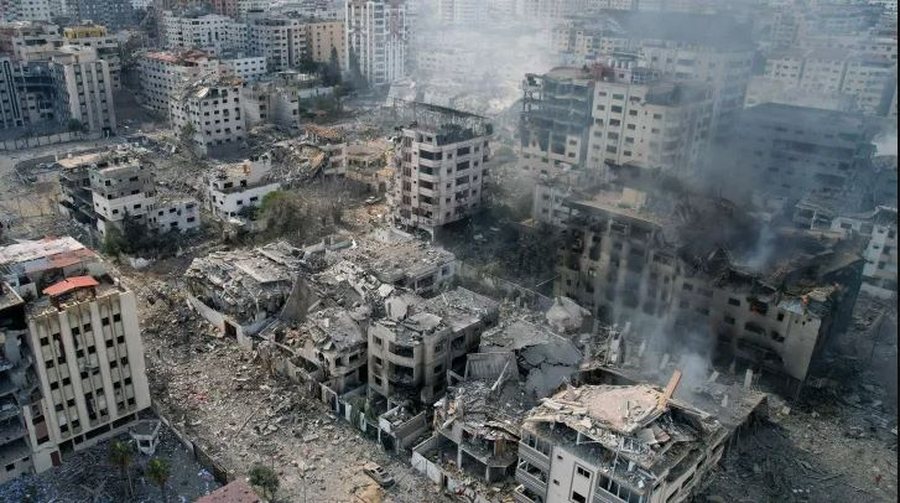
Israel's stated goals were to occupy Gaza City, destroy Hamas and free the hostages. These goals have not yet been achieved.
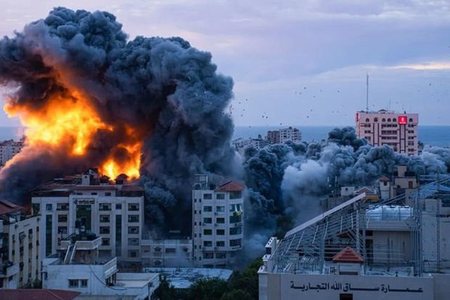
Israel's response to the brutal attacks by Hamas last month was immediate. However, it appears that Israel's military offensive was largely motivated by anger and a political imperative to "do something and get on with it," rather than developing clear military objectives and enabling post-conflict peace.
Historically, Israel's response to Hamas aggression is tolerated by its international partners; indeed, it received strong messages of support from the US, UK and many Western allies for its strong military response after the October 7 attacks.
However, on this occasion Israel knows that time is not on its side; as casualties mount, international support and sympathy for Israel's cause begins to wane, until eventually diplomatic pressure on Israel forces it to relent.
But as casualties mount, what are Israel's military objectives, are they attainable, and by when?
Israel's stated goals were to occupy Gaza City, destroy Hamas and free the hostages. These goals have not yet been achieved. Earlier this week, Israeli forces occupied the Gaza parliament building. The highly symbolic photos served to demonstrate that the Israel Defense Forces (IDF) were "in control."
On the ground, the IDF may dominate, but it seems highly unlikely that they will have control of the "Gaza subway" - the maze of tunnels beneath the Hamas-controlled city.
The second phase of Israel's ground operation
Israel has now declared that the second phase of its ground offensive is about to begin - and has warned residents to leave southern Gaza.
Moving besieged Palestinians from southern Gaza to northern Gaza could isolate Hamas fighters in the south to enable the second phase of the battle to begin; but is this remotely feasible?
Such a strategy will inevitably complicate the humanitarian crisis. Support for Israel is waning.
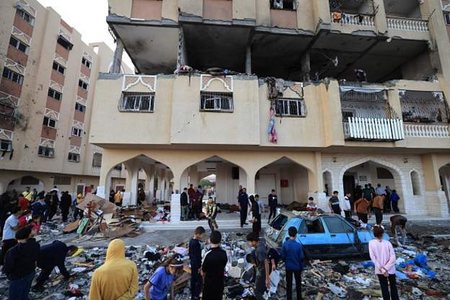
With the Hamas-controlled Gaza Health Authority now reporting a death toll of more than 11,000 Palestinians and the humanitarian situation in Gaza spiraling out of control, how much longer will the West tolerate Israel's aggression? Now, the international diplomatic language has become much more measured, qualified and reserved.
Time is running out for Israel's military offensive. But when it's over, what will it have achieved?
Hamas will not have been destroyed - indeed, many would argue that the IDF offensive has been a major recruiting tool for Hamas. Tens of thousands of lives will have been lost and the full consequences of the humanitarian disaster have yet to unfold. And, to date, the IDF's military strategy has not resolved the hostage crisis.
No military solution to the unique situation
Israel may have thought it had no choice but to mount an aggressive military response to the Hamas attack, but to what end?
All sides know that there is no military solution to this unique situation, yet violence has become the default environment for each side's political masters. Increasing international pressure will - inevitably - lead to a cessation of hostilities.
How will Gaza be rebuilt and how will a new model for coexistence be created?
Will any lessons be learned or is the vicious cycle of violence destined to repeat itself at the hands of senior statesmen who, regardless of their age and experience, seem to ignore their moral obligation to work tirelessly to ensure a long-term peaceful solution. Surely the civilian population - on both sides - deserve better?
And as Winston Churchill said: "Those who fail to learn from history are condemned to repeat it"./ Adapted "Pamphlet" from "SkyNews"




Lini një Përgjigje