


 Shkruar nga Pamfleti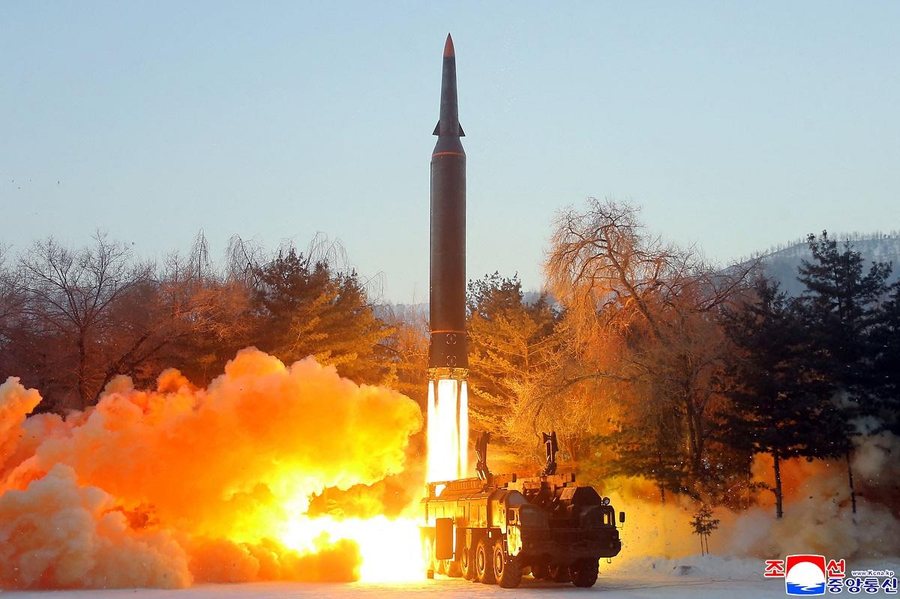
Here is the list of missile models that the US will install in Europe...
In a not at all unexpected decision, the United States has announced that it will deploy long-range missile capabilities in Germany starting in 2026. The announcement was made by both sides on July 10 on the sidelines of the summit of NATO in Washington. According to them, the new missile capabilities "will have a much greater range than the current ground-based fire systems in Europe".
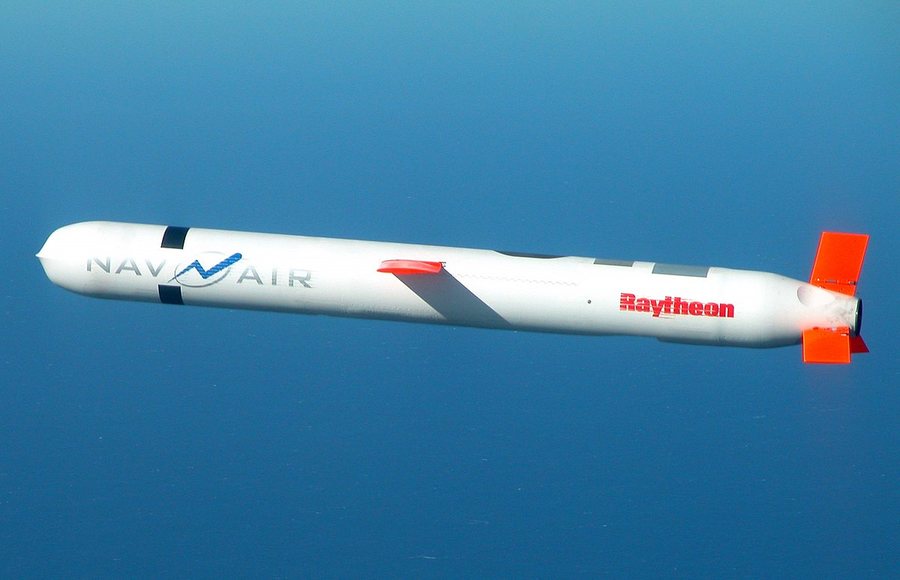
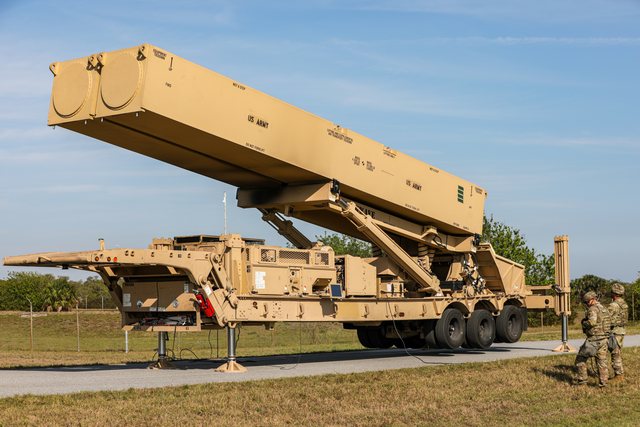
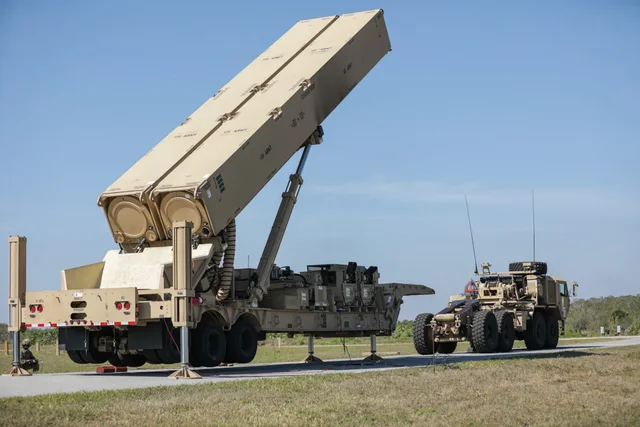
This concerns the arrival in Germany of Tomahawk cruise missiles, SM-6 Standard anti-missile carriers and currently unspecified hypersonic missiles. The weapons will be managed by the US Army's Second Task Force (MDTF) activated in Wiesbaden in September 2021 (the first is at Lewis McChord Air Force Base in Washington state) and will use a new type of universal mounted launcher on the land-based missile launcher tested last year, the Typhon Weapon System.
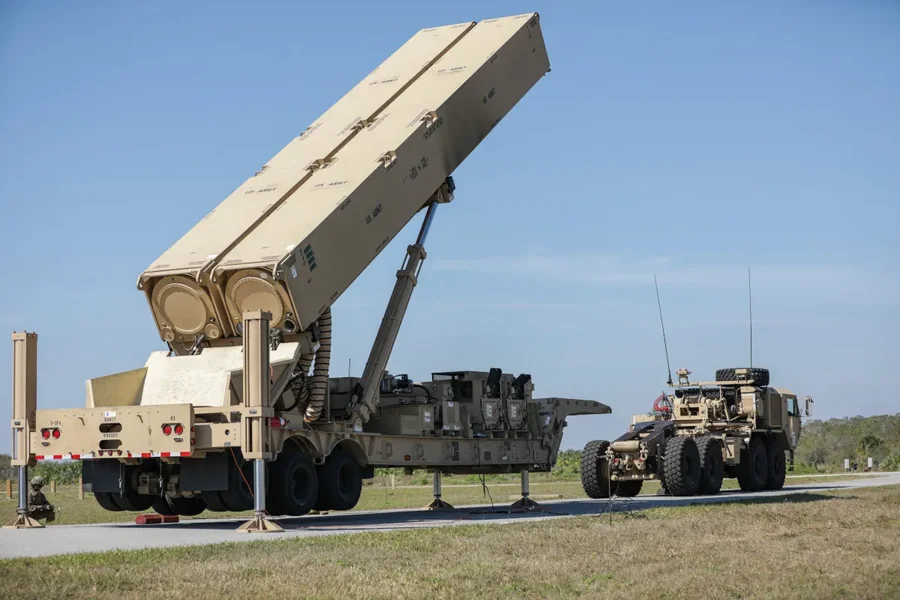
The Typhon system has four vertical launchers mounted on a semi-trailer, a command post, and refueling and support vehicles all on the trailer. Launch data (including tracking data for the SM-6) is provided by external sources, and a full battery uses four launchers, for a total of 16 missiles ready to strike.
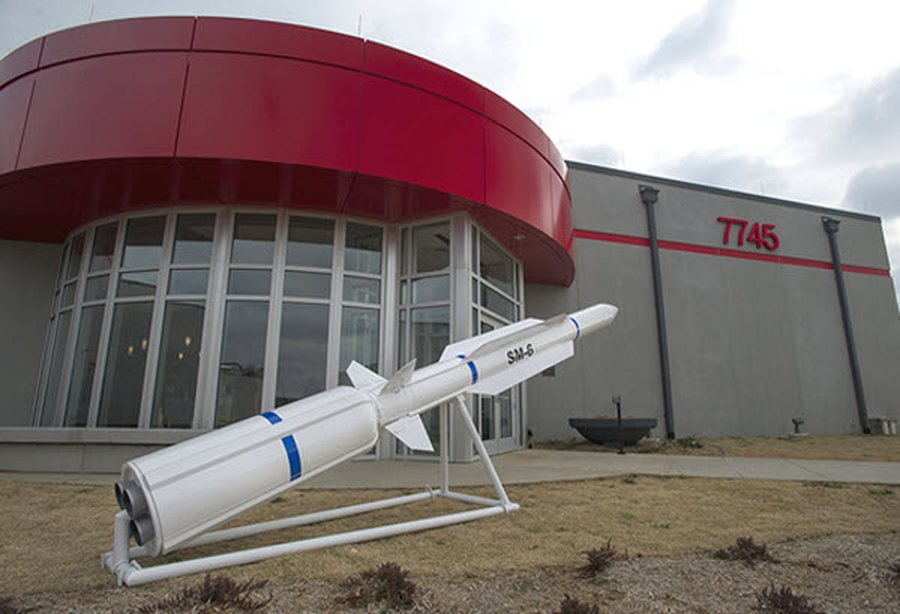
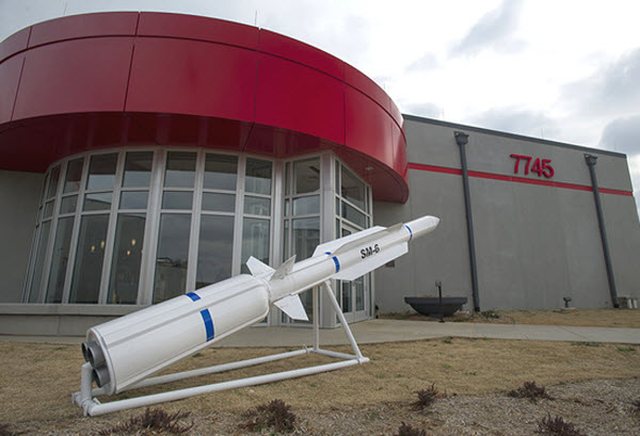
The most up-to-date SM-6 variant currently in service, the Block IA, is a surface-to-air missile used by the US Navy, but also has the ability to hit ground targets, while the Tomahawk, as it is known, is primarily a ground attack missile. , but current versions also have some anti-ship capabilities. The new Block IB variant of the SM-6 is currently under development and is expected to have hypersonic speeds and other enhanced capabilities and is believed likely to be used by the Typhon.
As for hypersonic missiles, although it is not known what they might be, we do know that in April 2023 the US military tested the carrier LRHW (Long Range Hypersonic Weapon), which it is developing together with the US Navy . We know that LRHW will have a range of approximately 2,700 kilometers and a cruise speed of over 6,100 km/h, i.e. more than Mach 5.
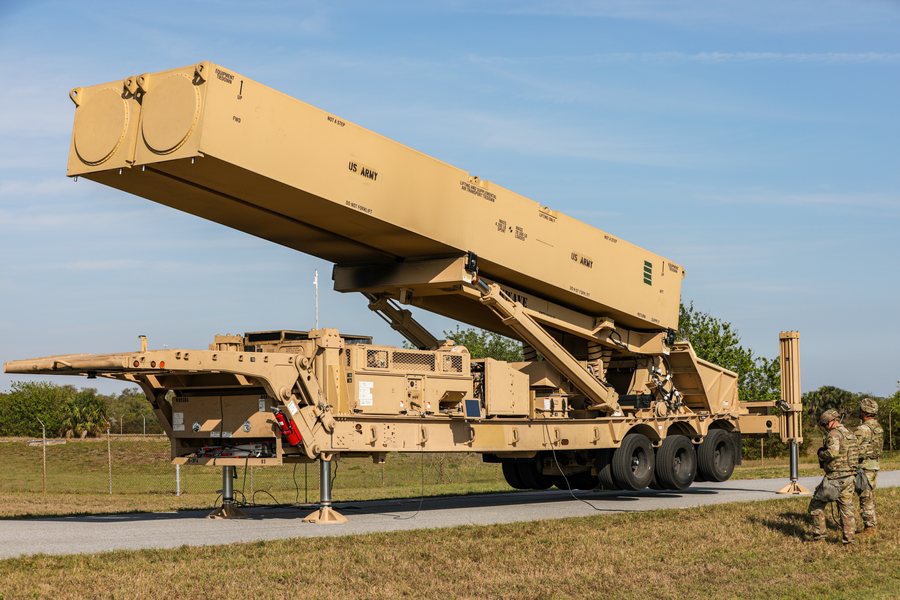
This would make it the perfect vehicle to pre-emptively strike high-value targets such as other missile launch sites, C3 centers, air bases, vehicle/troop concentrations, etc. The Tomahawk cruise missile is a veteran of the military environment and also has a long range ranging from 1,300 to 2,500 kilometers depending on the model.
We know that the US military has another MDTF unit in the Indo-Pacific and plans to build two more, for a total of five, of which three will focus on operations in the Pacific, one in Europe and one based in United States at Fort Liberty, North Carolina, and will be able to move quickly to where needed. These units are designed to operate in all sectors - land, air, sea or space and are fully mobile. So they can be redistributed in a short time wherever it is needed. The US Army's plan is to complete all MDTF units by the end of 2028.
What we predicted in uncertain times has finally come true: land-based cruise missiles are back in Europe, which together with ballistic missiles (such as the Pershing and Pershing II) were called "Euromissiles" in the 1980s .
The motivation for what is happening is found at the end of the INF (Intermediate Range Nuclear Forces) Treaty, which had been in force since 1988 and which prohibited the United States and the Soviet Union from not only deploying land-based weapons , but also their production and that of the relevant launch systems. This treaty was one of the most important of the Cold War and contributed to easing the tension between the two opposing blocs, which was growing dangerously in the early 1980s, and was unilaterally rejected by the United States in 2019 as Washington believed (fair given the most recent results) that Russia had cracked it with the construction of the 9M729 launcher, a cruise missile with an estimated range of approximately 2,500 kilometers.
In reality, as we know, the INF Treaty was considered obsolete by the United States, which found itself forced to face the new Chinese missile threat (China has a powerful arsenal of short-range, long-range and medium). Russia, after this decision by Germany and the US, hastened to say that the launch sites of the future "Eurorockets" will be a legitimate target, but it should be noted that only one unit out of the five planned will be located in Europe. Proof, once again, that the real interest of the US is aimed at the Indo-Pacific and not at the Old Continent. /Adapted "Pamphlet" from "Inside Over"






Lini një Përgjigje