


 Shkruar nga Pamfleti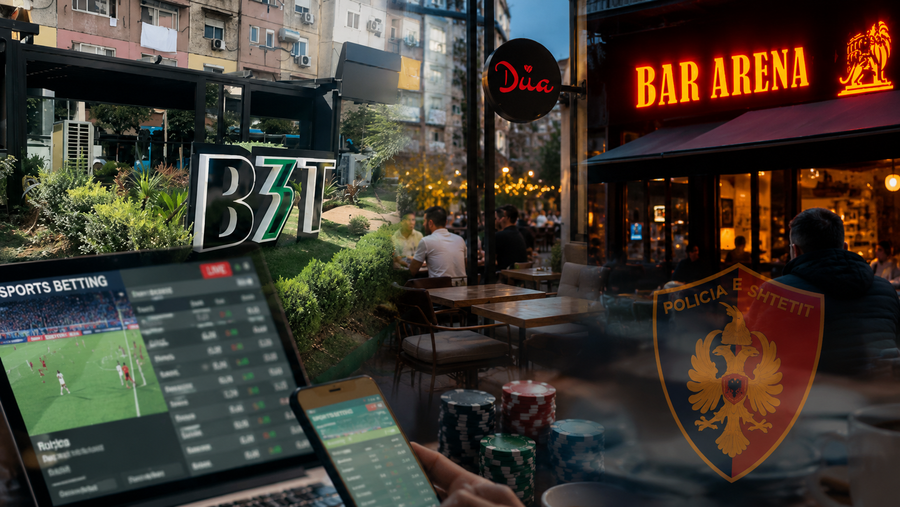
The betting industry in Albania has generated a turnover of 3.2 billion euros, but the state does not benefit a single cent from this activity. Behind every betting company stands a criminal organization, while the government continues to fail to implement the law passed 2 years ago, leaving millions of euros in the hands of organized crime.
A worrying picture is that of the gambling industry in Albania, where the annual turnover has reached around 3.2 billion euros, while the state budget does not benefit a single cent from this activity. Around 750 million euros that would have been paid into the state budget over the last eight years have been distributed among organized crime, which has financed not only its criminal activity, but also electoral campaigns.
The gambling industry in Albania currently operates with an annual turnover of around 3.2 billion euros. This figure increases significantly during European or world championships, when the volume of players and bets increases significantly. However, not a cent of this amount ends up in the state coffers.
The money that the law foresees going to health, education and infrastructure is ending up in the pockets of those in power and criminal organizations. From January 2019 until today, the state has lost at least around 200 million euros per year just from the fees provided for in the previous legislation, not to mention the taxes and duties that have never been paid.
How does the betting market work today?
In every city in Albania, in cafes, betting spots are clearly visible. Bars with a large number of sports screens clearly show their activity.
Illegal companies offer complete restructuring of the premises. The investment ranges from 20 to 70 thousand euros and includes everything: from coffee and espresso, to furniture and decoration. The only condition is that the premises use their IP for betting. Thus, bets are placed on behalf of the illegal company, making it impossible for the authorities to identify them. Some of these lotteries are located right next to the city police stations.
This model has created an entire network where each company controls certain geographical areas. The division of territory is clearly made, with the exception of the capital, which remains a mixed area where the interests of several criminal organizations intersect.
Organized crime behind every company
One of the most disturbing revelations is that behind every betting company today stands a criminal organization. Gambling companies, which once operated legally, were forced to have a criminal organization behind them for two main reasons.
Së pari, këto organizata sigurojnë mbrojtje nga kundërshtarët dhe konkurentët. Së dyti, ato shërbejnë si përmbarues privatë për mbledhjen e borxheve. Nëse një lojtar ka luajtur në mënyrë ilegale dhe ka marrë borxh, organizata kriminale dërgon njerëzit e vet për të arkëtuar. Gangsterët veprojnë si përmbaruesit e industrisë, duke ditur paraprakisht se çfarë biznesi ka lojtari dhe çfarë zotëron, në mënyrë që të vijnë e ta marrin. Gjatë kësaj kohe, këto kompani kanë filluar të financojnë edhe aktivitete të tjera të krimit të organizuar.
Pastrimi i parave përmes kullave dhe resorteve
Paratë e basteve nuk qëndrojnë vetëm në lojëra. Një nga mekanizmat kryesorë të pastrimit të parave nga bastet ilegale janë investimet në prona të patundshme. Kulla luksi dhe resortet turistike po shndërrohen në mjete perfekte për të legalizuar paratë e pista.
Mbi 500 milionë euro nga xhiroja e basteve po derdhen në ndërtime të mëdha, duke i dhënë krimit të organizuar një fytyrë të respektueshme biznesi. Paratë që vijnë nga bastet i përkasin krimit të organizuar dhe ato po pastrohen sistematikisht përmes këtyre investimeve. Shteti, në vend që të kontrollojë këtë fluks parash, vazhdon të mbyllë sytë.
Ligji i miratuar por i pazbatuar
Parlamenti miratoi ligjin e ri për lojërat e fatit, i cili parashikon dhënien e vetëm 8 licencave, me kritere të veçanta që duken të papërmbushshme për subjektet vendase.
Subjektet që kërkojnë licencë duhet të jenë shoqëri aksionere me seli në Shqipëri, të kenë kapital fillestar 400 mijë euro, të deklarojnë burimin e kapitalit dhe të kenë përvojë në fushën e lojërave të fatit jo më pak se 5 vjet. Por kushti më i vështirë është që aplikuesi të ketë përvojë në shtetet e Bashkimit Europian ose të OECD-së. Të paktën njëri nga aksionerët duhet të ketë gjeneruar në vitin e fundit financiar të paktën 2 miliardë lekë xhiro. Ligji kërkon gjithashtu një investitor të huaj si garanci për marrjen e licencës.
Kompanitë që marrin licencë duhet të derdhin në llogaritë e fondit të posaçëm 25% të ardhurave bruto nga loja. Lojtarët do të tatohen deri në 30% të fitimeve.
Megjithatë, më shumë se tre vjet pas miratimit të ligjit, ai nuk është zbatuar. Aktet nënligjore nuk janë miratuar dhe licencat nuk janë dhënë. Ligji u votua në Kuvend, por askush nuk e pengon qeverinë të miratojë aktet nënligjore dhe të hapë procedurat për licencat online.
Megjithatë, fitimet e majme që organizatat kriminale marrin nga kjo industri i kanë bërë pushtetarët të mos e legalizojnë sektorin.
Arrestime simbolike dhe peshq të vegjël
Tabelat e basteve kanë pushtuar çdo cep të qytetit. Janë pozicionuar madje edhe ngjitur me komisariatet e policisë, sikur të ishin dyqane të zakonshme. Efektivët e policisë që rrinë në tavolina me eksponentë të krimit dhe të lojërave të fatit janë filmuar. Të tjerë paguhen me rrogë nga ky biznes i ndaluar.
Police Chief Skënder Hitaj began his mandate with the great fanfare of an action against betting. But the blows were empty. Enough to say that he is acting. Hitaj, like everyone before him, surrendered to the betting mafia.
Albania has handed over the entire gambling industry to organized crime. The state does not control this sector, but only arrests a few needy people it finds on the corners of neighborhoods.
Millions of euros a year are donated to those involved in this industry. Money that would go to the state budget for the citizens, goes to the budget of those in power for their own account and for their power.
The betting industry in Albania has become a state within a state, and this state does not pay taxes, does not recognize laws and is fed by citizens' money, turning this industry into one of the largest sources of financing for organized crime in the country. /Pamphlet





Lini një Përgjigje