


 Shkruar nga Pamfleti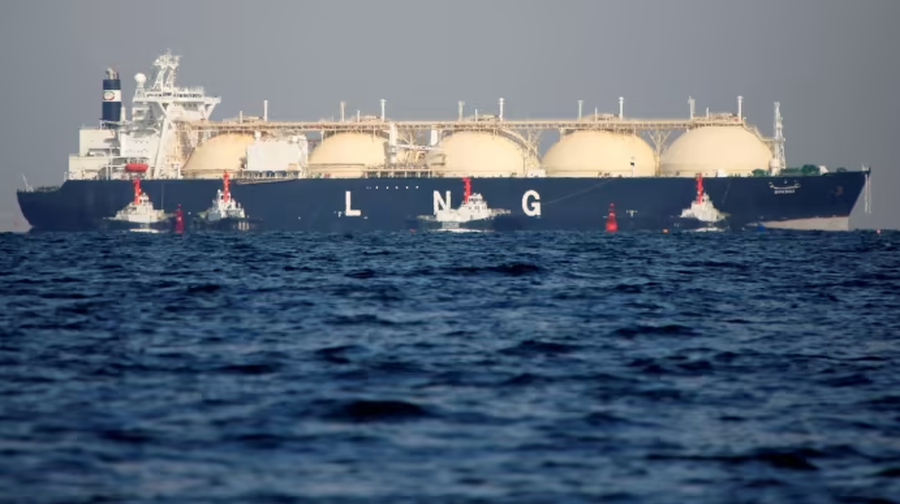
This week's sharp rise in European gas prices underscores how the region's success in weaning itself off Russian energy has made it more vulnerable to the volatile swings of global energy markets.
The rapid reduction of imports from Russia has caused the continent to compete with Asia for supplies of liquefied natural gas.
This week's sharp rise in European gas prices underscores how the region's success in weaning itself off Russian energy has made it more vulnerable to the volatile swings of global energy markets.
Europe managed to avoid an energy crisis last year by rapidly increasing imports of liquefied natural gas. Fuel from the sea replaced the flow from Russian pipelines after the Kremlin cut off most supplies in an energy standoff following the escalation of the invasion of Ukraine.
But the new reliance on LNG, a global commodity, has made European energy prices more vulnerable to supply disruptions around the world, even in Australia.
European natural gas prices surged nearly 40 percent on Wednesday as expectations of multiple strikes at major Australian LNG projects sent markets into a panic. These projects, together, provide about 10 percent of global offshore gas supplies.
Analysts said this event had a big impact as many traders expected further price cuts, and they were forced to immediately exit their positions when the market moved the other way.
For energy analysts, the event confirmed Europe's new reality: the gas supplies the continent relies on are now truly global.
"The potential for upside shares in Australia's LNG exports underscores once again the fact that we are already in a globalized gas market," said ICIS energy analyst Tom Marzec-Manser.
Goldman Sachs, one of the most influential banks in commodities, warned that European prices could double or even triple this winter.
Before Russia's invasion of Ukraine, what happened in Asian gas markets had a limited impact on Europe, where cheap and abundant Russian pipeline gas meant the continent was only a small buyer of LNG.
According to Bruegel's data, in 2021 super-cooled fuel accounted for only about 20 percent of total EU gas imports, Russian gas accounted for only 40 percent.
But the Russian invasion of Ukraine has greatly changed the balance. LNG accounted for 34 percent of EU gas imports last year, and this value is expected to rise again in 2023 to 40 percent, giving Russian gas the same importance it once had.
GNL-ja nga Australia rrallë se del në brigjet europiane, pasi gjatësia e udhëtimit i bën kostot e larta të transportit joekonomike dhe fitimprurëse. Por nëse blerësit e gazit australian në Azi do të duhet të kërkojnë alternativa, ata do të futen në një konkurrencë të drejtpërdrejtë me Europën dhe etjen e saj të sapogjetur për karburant. Japonia, Kina dhe Koreja e Jugut janë disa nga importuesit më të mëdhenj të gazit të lëngshëm në botë.
“Importet nga Amerika, të cilat aktualisht po dërgohen në Europë, mund të çohen në Azi, duke rritur rrezikun e një lufte të ofertave ndër rajonale, “tha Kaushal Ramesh, kreu i analitikes së GNL-së në Rystad Energy. Ndërkohë që Europa ka një rezervë të kënaqshme tani, “tregu mbetet i paqëndrueshëm pasi ky dimër mund të rezultojë shumë i rëndë dhe mund të ulë me shpejtësi stokun “, tha Ramesh.
Moreover, the reserves that Europe has cannot meet the demand in winter and the continent will still have to continue importing large amounts of LNG
European gas prices would need to be higher than prices in Asia to encourage traders to ship LNG to Europe.
Goldman Sachs analyst Samantha Dart said if the shocks to the Australian market continued, it would take "much less impact from the weather to push the [European] stock below average by the end of March 2024".
She added that there may be price fluctuations from €68/MWh to €97/MWh in winter "but we need to know more about winter temperatures".







Lini një Përgjigje