


 Shkruar nga Pamfleti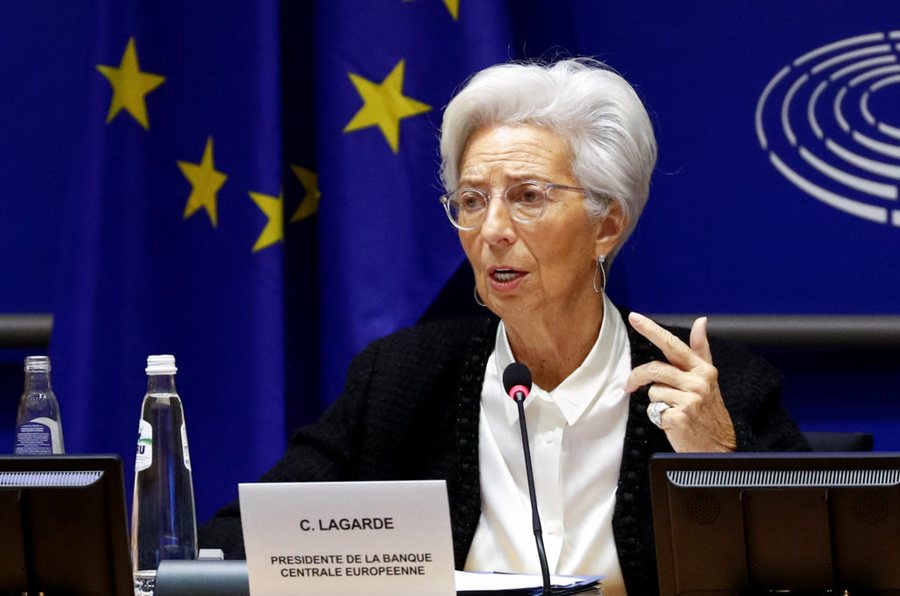
Late last month, central bankers from around the world gathered in Jackson Hole, Wyoming for the Federal Reserve's two-day annual meeting.
This context and audience was chosen by Christine Lagarde, president of the ECB, to "accidentally" predict from the podium the collapse of the international financial order. Although her warning was softened by common jargon, the underlying meaning was quite clear and dramatic.
Lagarde stated that there are possible scenarios where a fundamental change in the nature of global economic interactions can be observed. The assumptions on which the technocratic management of the world order has long been based are crumbling.
The world, she said, may soon enter a new era where old normals may no longer be a good guide to how the economy works. For policymakers with a stability mandate, she added, this presents a significant challenge.
Industry experts say the warning from Jackson Hole was not the first time Lagarde has publicly expressed concern about the world order of free markets, dollar dominance and globalization, which she helped create. This issue has certainly been raised by others, but she has spoken openly. In April, she became the first western central banker to publicly express concern about the fragility of the dollar, whose international dominance she said should no longer be taken for granted. The ECB President heralded the end of the dollar and predicted the end of the global economy as we know it.
They said Lagarde's statements were unexpected, especially coming from the head of a 'sacred monetary authority' whose communications department rarely dwells on anything more exciting than balance sheet policies and deposit rate adjustments - a woman , whose long and high-profile career is characterized by respect for the US-led international order. Most disturbing of all, according to them, was Lagarde's seeming indifference to the effect of her statements on the aforementioned international order.




Lini një Përgjigje