


 Shkruar nga Pamfleti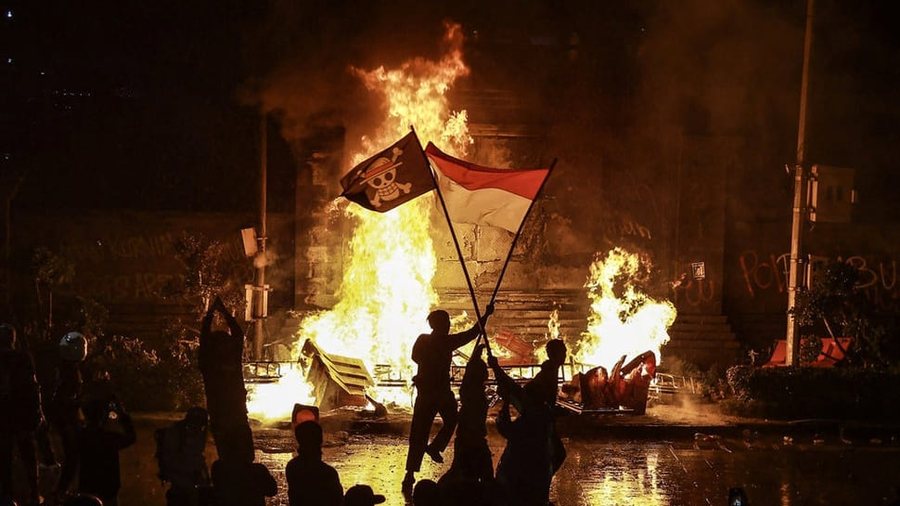
Indonesia has been gripped for days by massive protests in several cities across the country, including the capital Jakarta, after the government approved a monthly increase of 50 million rupiah (about $3,030) in the benefits of deputies, an amount that is ten times higher than the minimum wage in the capital.
The protests have escalated into violent clashes with police, including the use of tear gas and homemade bombs, with at least three deaths and dozens of injuries reported. One of the victims is Affan Kurniawan, 21, who died after being hit by a police car.
Over the weekend, protesters set fire to the regional parliament building and the home of the finance minister was attacked. The government of President Prabowo Subianto has announced cuts to some benefits for lawmakers, including monthly allowances and overseas travel, but student organizations have called the decision insufficient and have warned of continued protests.
According to the head of the country's largest student organization, "the anger is real and justified - it's not just about salaries, but about all the systemic injustice and arrogance of the elite."
Citizens are demanding wage increases for workers, tax cuts, more transparency, and a real fight against corruption.
Meanwhile, in Albania, a year ago, exactly the opposite happened: the Socialist Party and the Democratic Party came together, without any debate or opposition, to double the salaries of MPs and ministers, at a time when inflation was weighing on citizens and thousands of Albanians were fleeing the country every month. And unlike Indonesia, no Albanian protested, no one said a word.





Lini një Përgjigje