


 Shkruar nga Marc Pierini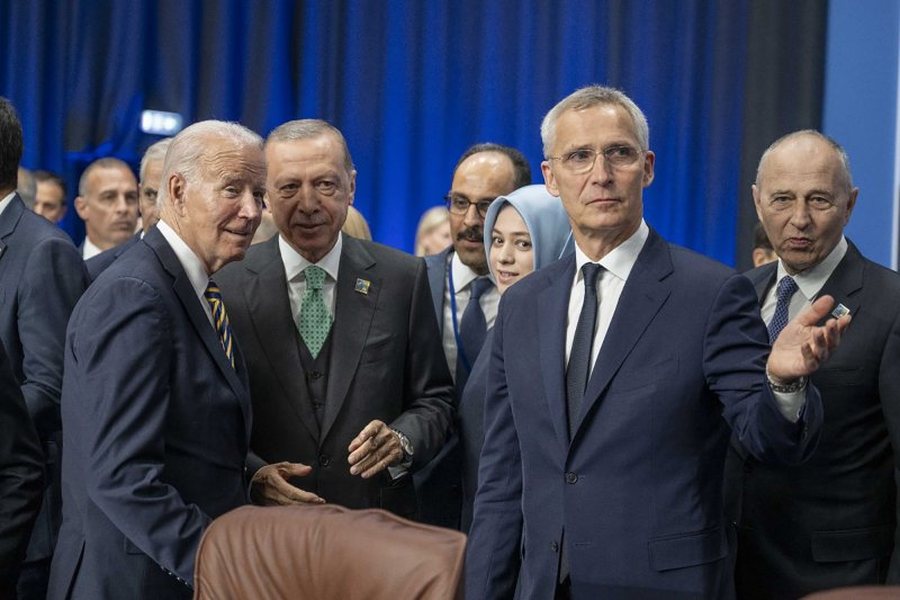
Historically, the sale of the S-400 missile system to Turkey in 2019 has represented a dual strategic benefit for Russia. First, the presence of these missiles precluded any future purchase of American Patriot missile systems or the French-Italian SAMP/T.
And secondly, the possible activation of Russian missiles caused Washington to impose sanctions on Turkey in 2020. They concerned the cancellation of Turkey's order for 120 F-35 and F-35B fighter jets from Lockheed Martin, as well as the exclusion of Turkish industry from co-production of other F-35 aircraft.
From Moscow's point of view, the result is positive: the southern flank between Russia and the North Atlantic Treaty Organization (NATO) has been "cleared" of the two most advanced air systems.
This shift in military relations between Ankara and Moscow has cast doubt on the credibility of a NATO member that has long been a stronghold of the Atlantic alliance in southeastern Europe.
With its behavior until a few years ago, Ankara showed that the fall of the Soviet Union has changed the game, but that Turkey is keen to maintain its role within NATO. Also, it is actively pursuing its objective of maintaining strategic autonomy and arms exports.
Since February 2022, these doubts have increased due to Turkey's refusal to join the sanctions against Russia and the significant development of energy and financial relations with Moscow (discounted gas paid in rubles, advances on royalties connected to the Akkuyu nuclear power plant).
These factors played a role in the outcome of last year's Turkish presidential election. And the oil transactions enabled Russia to circumvent some Western sanctions.
Russia's war in Ukraine could escalate significantly, and new hotbeds could include Turkey due to their geographical proximity.
For example, the need to strengthen the protection of civilian vessels used for Ukraine's exports and imports or a possible weakening of Moldova by Russia could be challenged. Consequently, Turkey's strategic ambiguity would become more apparent. It would either have to be clearly linked to NATO's operations in Eastern Europe, or openly abstain.
Multiple pressure tactics
Russia's attitude towards Turkey will be closely watched. As has been the case since 2019, Moscow may continue to push Ankara toward sustained political and military confrontation with the rest of NATO, in line with Hungary's desire to differentiate itself from the rest of the European Union.
Mjetet e presionit të Moskës ndaj Ankarasë janë të shumta: furnizimet me gaz (çmimet, vëllimet, tranziti shumë fitimprurës në Evropën Juglindore); përpunimi i naftës së papërpunuar; oferta të reja për pajisje ushtarake; kundërshtimi i bashkëpunimit turko-ukrainas në aviacionin ushtarak.
Po ashtu janë edhe pranimi ose refuzimi i ofertave të ndërmjetësimit të presidentit turk Erdogan; si dhe autorizimi ose ndalimi i operacioneve turke kundër forcave kurde në Sirinë Veriore.
Në sfondin e përshkallëzimit të luftës, Turqia mund ta gjejë veten të ndarë midis presioneve të shumanshme të Rusisë nga njëra anë, dhe solidaritetit që pritet nga vendet e tjera të NATO-s nga ana tjetër. Kjo veçanërisht pasi siguria evropiane dhe mbështetja për Ukrainën do të jenë në qendër të diskutimeve në samitin e NATO-s të korrikut në Uashington.
Pozicioni politik i presidentit turk Recep Tayyip Erdogan do të ndikohet jo pak nga rezultati i zgjedhjeve lokale të 31 marsit. Pa prekur prerogativat e tij në nivel kombëtar dhe ndërkombëtar, këto zgjedhje, të cilat i shkaktuan atij një pengesë të madhe, dhe krijuan një dëm të dukshëm në imazhin e tij si një udhëheqës i padiskutueshëm.
Kjo humbje e legjitimitetit popullor do të ketë 2 pasoja kryesore. E para është një rivlerësim i opsioneve të politikës së brendshme, në dritën e refuzimit spektakolar në zgjedhje nga Erdogan (kontrolli i gjyqësorit, medias dhe shoqërisë civile dhe promovimi i rinisë së devotshme).
Në këtë kuadër, shfaqja e aspiratave demokratike të shumicës së turqve rrezikon të çojë në më shumë autoritarizëm, por disa shpresojnë ende për rehabilitimin e shtetit të së drejtës në përputhje me Traktatin e Atlantikut të Veriut.
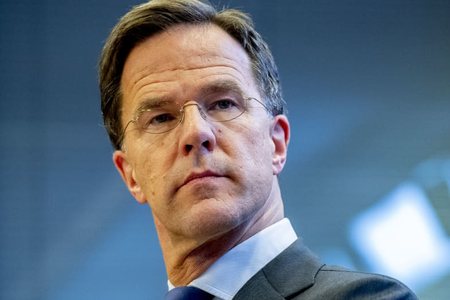
E dyta është pohimi i statusit të saj si një fuqi që duhet llogaritur në skenën ndërkombëtare. Këtë e dëshmojnë bisedimet e shumta që nga 31 marsi me liderë miq; kushtet e vendosura për emërimin e Mark Rutte (kryeministri holandez në detyrë) në postin e Sekretarit të Përgjithshëm të NATO-s.
Po ashtu vihet re theksi i vënë gjatë takimin ministror të NATO-s më datat 3 dhe 4 prill tek lufta kundër terrorizmit që synon goditjen e kurdëve të PKK-në. Por edhe lëvizjen Gylen (themeluar nga predikuesi dhe kundërshtari turk, Fethullah Gylen); dhe vizita e planifikuar në Uashington për më 9 maj, por e anuluar së fundmi për shkak të ndihmës së re të SHBA-së për Irzaelin. Kjo lojë diplomatike nuk është e re. Por dobësimi i papritur politik i presidentit turk e ndërlikon atë.
Aftësia për të rregulluar politika të caktuara
Në aspektin ushtarak, forcat turke pritet që të shtojnë operacionet e tyre aktuale kundër Partisë Komuniste Kurde në Irak, në një kohë që e forcojnë kontrollin në veri të Sirisë dhe i kërkojnë urgjentisht Uashingtonit që të ndalë mbështetjen e milicive kurde siriane në luftën e tyre kundër Shtetit Islamik.
In this context, it is expected that there will be a difficult negotiation process between Ankara and Washington, which will be further complicated by the escalation of the conflict between Iran and Israel, which puts Turkey in a very uncomfortable position.
Conversely, in other areas, Turkey has shown during the last 10 months a real ability to adapt certain policies. Key examples are ending the 20-month impasse over Sweden's admission to NATO; abandoning the stubborn approach of lowering interest rates as a means of combating high inflation, and paving the way for other changes in economic policy.
What might happen next is speculative. A recently discussed scenario could involve giving up the Russian S-400 missile system and bringing Turkish industry back into the joint production program of the F-35 fighter jets.
Another scenario, which is unlikely to happen, is one that would bring about a return to rule of law status that would reconnect Turkey closely with its Atlantic partners and free it from the most egregious cases of violations of the human rights.
In this case, it would thus succeed in restoring the confidence of the western economic circles that bring investments and the latest technology to this country. Such positive changes would soothe and strengthen the crucial ties between Ankara and the Western world. Turkey and Europe would see the consolidation of their security./Pamphlet adapted from "Le Monde"
Note: Marc Pierini, Carnegie Europe Foundation Fellow, and former EU Ambassador to Turkey in 2006-2011.


Lini një Përgjigje