


 Shkruar nga Jacqueline Cabasso dhe Ray Acheson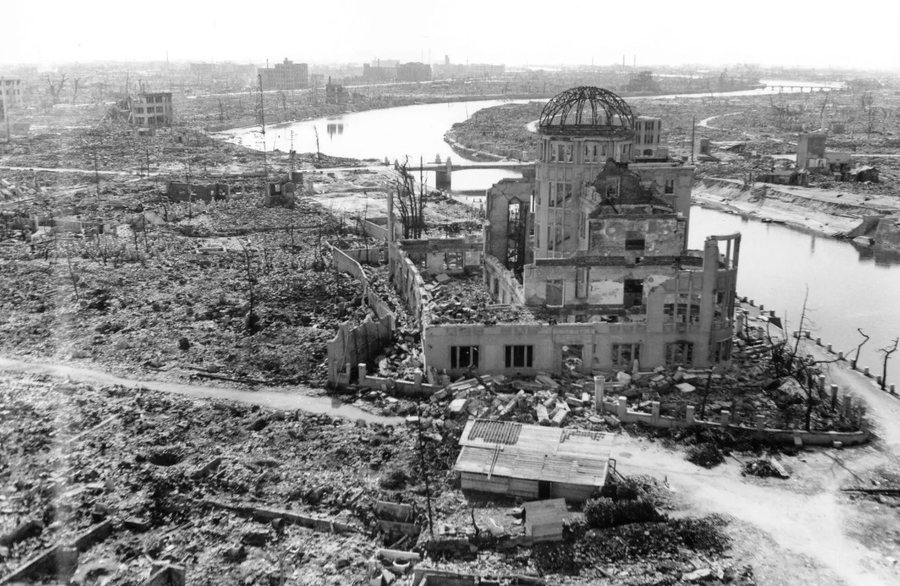
There are 25 times when US presidents have repeatedly used nuclear weapons to force other governments to act in ways they don't want...
For the vast majority of people, the most important impact of the possession of nuclear arsenals by some of the most powerful countries has been the risk of immediate and painful death. In the words of psychologist Robert Jay Lifton: "The central existential fact of the nuclear age is vulnerability."
This weakness has become more apparent in recent years. In the last 16 months, the world has witnessed government officials from Russia (Dmitry Medvedev) and Israel (Amihai Eliyahu) threatening to use or calling for the use of nuclear weapons against the people of Ukraine and Gaza. The rulers of these countries have already shown their willingness to kill tens of thousands of civilians.
The 'uses' of nuclear weapons
What these recent calls of nuclear threats illustrate is that nuclear weapons are more 'useful' to nuclear armed aggressors to intimidate those they attack and all those who might help them. All countries that possess nuclear weapons plan to use nuclear weapons at some point or another. As the British historian EP Thompson once noted: “ It has never been true that nuclear war is 'unthinkable'. It has been thought and the thought has been put into effect ".
There are other uses for nuclear weapons. In his book 'The Doomsday Machine', Daniel Ellsberg, best known for sharing the US Department of Defense's secret study of the Vietnam War - the Pentagon Papers - with the media, documents twenty-five times when US presidents have have repeatedly used nuclear weapons to force other governments to act in ways they do not want. This, Ellsberg argued, was also using nuclear weapons in the same way "that a gun is used when you point it at someone's head ... whether the trigger is pulled or not."
Despite countries trying to justify their nuclear weapons by claiming they are for deterrence, the beneficiaries of such wealth are not the people. When the World Court was debating the issue of the legality of nuclear weapons in the 1990s, India – before declaring itself a nuclear-weapon state in 1998 – described the practice of nuclear deterrence as “ abhorrent to human feelings as it implies that a state , if called upon to defend his existence, will act with ruthless disregard for the consequences to his own people and to the adversary .”
This statement, apart from affirming how India once viewed nuclear deterrence, also points to a deeper reality: It is not the threats to the people of a country that can result in the use of nuclear weapons; they are threats to the state. And the statement makes it clear that the interests of the state are not the same as those of the people; people can be sacrificed for the state.
Justifications for nuclear weapons often promote the idea that they are necessary for national security. This ill-defined concept allows those in power to pass off their interests as the interests of the people living in the country.
Nuclear weapons are inimical not only to security but also to democracy. They are deeply implicated in the processes that perpetuate power inequalities, both between and within states. Nuclear weapons are inherently undemocratic, with layers of secrecy surrounding the activities. Decisions—whether about the development of nuclear weapons capabilities, or how many and what types of nuclear weapons to develop, or how to plan for their use, or their actual use—are never made in public consultation. . Entities such as scientific and technical laboratories and the military involved in their development and deployment benefit from seemingly unlimited financial resources and overwhelming political power.
Nuclear weapons and the two freedoms
Nuclear weapons, and all the many layers of violence that underlie these means of mass destruction, are clearly hostile to people who do not fear. The rational response to the fact that countries possess these sophisticated means of killing and maiming is to be afraid.
At the same time, the absence of fear alone will not result in true peace or security. In 1945, when the United Nations was being founded, the US Secretary of State, Edward R. Stettinius, wrote: “The battle for peace must be fought on two fronts. The first is the security front where victory means freedom from fear. The second is the economic and social front where victory means freedom from want. Only victory on both fronts can ensure lasting peace for the world."
Kjo bazë e dyfishtë e paqes reflektohet në konceptin e sigurisë njerëzore , siç parashtrohet në Raportin e Zhvillimit Njerëzor të vitit 1994, i cili bën thirrje si për 'liri nga frika' dhe 'liri nga mungesa'. Si ndikojnë në këtë të fundit armët bërthamore dhe shumë teknologji të tjera të përdorura për të kryer vrasje të përhapura?
Në çdo vend apo shoqëri që investon shumë në armatime, individët dhe komunitetet do të vuajnë domosdoshmërisht nga nevoja të të gjitha llojeve. Fakti që shuma të mëdha parash shpenzohen për kërkime të tilla i bën më pak gjasa që të ketë burime për të përmbushur nevojat themelore të njerëzve në mënyrë që ata të mund të gëzojnë 'lirinë nga mungesa'.
Sipas Fushatës Ndërkombëtare për Shfuqizimin e Armëve Bërthamore, nëntë shtetet e armatosura bërthamore shpenzuan një total prej mbi 91 miliardë dollarë amerikanë në vitin 2023 për armët bërthamore. Shpenzimet janë rritur ndër vite, me një rritje prej mbi 10 miliardë dollarësh vetëm në vitin 2023. Vetëm Shtetet e Bashkuara shpenzuan mbi 51 miliardë dollarë amerikanë. Kostoja pritet të rritet në vitet e ardhshme dhe Zyra e Buxhetit të Kongresit vlerëson se Shtetet e Bashkuara do të shpenzojnë 756 miliardë dollarë amerikanë gjatë dhjetë viteve të ardhshme (2023-2032).
Këto shuma të mëdha parash po përdoren për zhvillimin e armëve më shkatërruese edhe pse ka nevoja urgjente njerëzore në mbarë botën. Për shembull, vlerësimi i Programit Botëror të Ushqimit të Kombeve të Bashkuara për koston vjetore "për të ushqyer të gjithë njerëzit e uritur të botës dhe për t'i dhënë fund urisë globale deri në vitin 2030" është 40 miliardë dollarë amerikanë - pak më shumë se gjysma e shpenzimit mesatar vjetor prej 75.6 miliardë dollarësh të parashikuar. për arsenalin bërthamor amerikan.
Shpenzimet për arsenalet bërthamore nuk janë e gjithë historia. Armët bërthamore nuk zhvillohen ose vendosen në vakum. Vendet që posedojnë armë bërthamore dhe ato që duan t'i zotërojnë ato, të gjitha kanë gjithashtu ushtri të fryrë. Megjithëse armët bërthamore mund të jenë më shkatërruesit në arsenalin e tyre ushtarak, vendet që posedojnë armë bërthamore kanë përdorur shumë më shpesh armë të tjera për të vrarë dhe gjymtuar njerëz. Të dy vendet e përmendura më parë të përfshira në luftëra aktive, Rusia dhe Izraeli, kanë përdorur mënyra të shumta për të masakruar ukrainasit dhe palestinezët (për të mos përmendur libanezët), ndërsa armët bërthamore janë përdorur vetëm verbalisht, të paktën deri më tani.
Again, the sums of money spent on these weapons are extremely large. According to the Stockholm International Peace Research Institute (SIPRI), world military spending topped US$2.443 billion in 2023 – the highest it has ever been since the institute began recording data in the 1980s. Four out of five countries with the largest military budgets, and six of the ten countries with the largest budgets possess nuclear weapons. Other countries on that ignominious list are in military alliances or negotiations with nuclear-armed states.
These figures focus only on direct military equipment and operations. But today's wars involve much more. While bombs and missiles are often the proximate cause of death and destruction, their use is driven by sophisticated forms of information technology. For example, artificial intelligence programs such as Lavender and Where's Daddy and Habsora (Gospel) have been used by Israel to decide which individuals and buildings in Gaza to target for assassination. And the US Department of Defense is spending billions (for example) to get companies to apply AI to other aspects of warfare. /Adapted "Pamphlet" from "Boell.de"



Lini një Përgjigje