


 Shkruar nga Pamfleti
The impression is created that something went wrong in the implementation or communication of the entire operation and that the level of public verifiability of the information was not taken into account...
The Tivat case gives the impression of a politically fabricated affair rather than a serious security incident, although the overall political effect of this story does not seem particularly favorable to Aleksandar Vučić.
It is much more likely that this is an example of a poorly thought out and executed action, carried out without a serious assessment of the consequences. For there to be conspiracy theories that Serbs believe in, there must be people who know how to do it. The question that arises is whether the new tensions between Serbia and Montenegro are a planned political move by the authorities in Belgrade or a genuine attempt by the President of Serbia to free a group of people with dubious biographies.
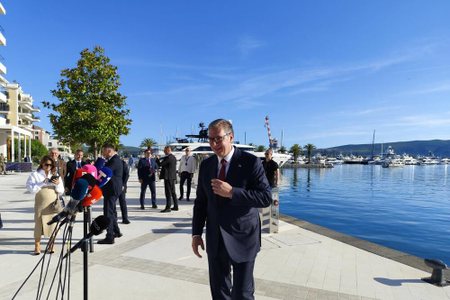
The Montenegrin Police Directorate announced on Wednesday that it had banned the entry and returned to Serbia 87 Serbian citizens who arrived on a charter flight from Belgrade to Tivat, who were suspected of planning to act as informal bodyguards for Serbian President Aleksandar Vučić during the EU-Western Balkans summit in Tivat. It soon emerged that they were linked to crime.
This action of the Montenegrins angered Vučić, so he told the official Podgorica that no one would welcome him or escort him. The BIA was notified, which it almost never does, with a statement in which it emphasizes that Vučić's security is threatened in this neighboring country. The reaction of the authorities in Belgrade was immediately felt by the citizens at the border, where they wait for hours.
Since he is prone to manipulation, the question is whether Vučić, by sending a charter flight with suspicious persons, wanted to divert public attention from much more important things happening under the radar in Serbia, so he played with it, or he really did not count on the vigilance of Podgorica's security forces, in the vicinity of the EU-organized summit in Tivat. Well, his plan may have been to provoke the hosts with banners, which were found with the suspects, and groups of people cheering him on.
Now, when it is clear that his plan, if he had one, has failed and that the devil has gotten the joke, it seems that the abbot is directing information about his vulnerability to his sensitive electorate, in order to mitigate the damage.
Bojana Selakovic, coordinator of the National Convention for the EU, says that based on the information currently available to the public, the entire case gives the impression of a politically fabricated affair rather than a serious security incident.
“Është e vështirë të besohet se dikush, i cili me të vërtetë planifikon aktivitete të fshehta ose hibride, do të organizonte një udhëtim në një mënyrë kaq të dukshme dhe lehtësisht të verifikueshme, me një grup të tillë njerëzish. Megjithatë, është interesante, që efekti i përgjithshëm politik i kësaj historie nuk duket veçanërisht i favorshëm as për Aleksandar Vuçiçin. Përkundrazi, publikimi i listës së pasagjerëve dhe detajeve të tjera që i lejojnë publikut të verifikojë versionin zyrtar të ngjarjes e ngushtuan hapësirën që ai të distancohej nga kjo histori. Krijohet përshtypja se diçka shkoi keq në zbatimin ose komunikimin e të gjithë operacionit dhe se niveli i verifikueshmërisë publike të informacionit nuk u mor parasysh”, deklaroi ajo.
Selakoviç shtoi se incidenti ndodhi në një kohë kur vëmendja e publikut rajonal dhe evropian ishte përqendruar në samitin në Mal të Zi dhe progresin gjithnjë e më të dukshëm që po bën ky vend në rrugën drejt anëtarësimit në Bashkimin Evropian.
“Në rrethana të tilla, nuk është e paarsyeshme të shtrohet pyetja nëse krijimi i një drame sigurie mund të shërbejë edhe si një përpjekje për të zhvendosur fokusin e medias nga temat që nuk janë politikisht të këndshme për qeverinë në Serbi - kryesisht nga fakti se Mali i Zi sot përfaqëson anëtarin më të mundshëm të ardhshëm të BE-së, ndërsa Serbia po mbetet gjithnjë e më qartë prapa” shtoi Selakoviç.
Nga ana tjetër, Dragan Popadiç, profesor i psikologjisë sociale në Fakultetin e Filozofisë në Beograd, tha se rasti i Tivatit duket kaq i çuditshëm dhe prodhon pasoja negative kaq të parashikueshme për Serbinë, qytetarët e saj dhe reputacionin e saj ndërkombëtar, saqë dikush mund të pyesë veten nëse pas gjithçkaje fshihet ndonjë llogaritje e fshehur politike.
“Megjithatë, një shpjegim i tillë nuk më duket bindës. Ka shumë më tepër gjasa që ky të jetë një shembull tjetër i një veprimi të menduar keq dhe të ekzekutuar keq, të kryer pa një vlerësim serioz të pasojave. Nuk e shoh problemin në ndonjë drejtim politik veçanërisht dinak, por, ngjashëm me rastin e Banjskos, në papërgjegjësinë e njerëzve që kanë ardhur në një pozicion për të vendosur për gjëra që tejkalojnë aftësitë e tyre”, tha Popadiç për Danas.
Ai shtoi se, pas më shumë se një dekade përzgjedhjeje negative, ne përballemi gjithnjë e më shumë me situata në të cilat vendime të rëndësishme merren jo vetëm pa njohuri dhe përvojë të mjaftueshme, por edhe pa aftësinë elementare për të parë pasojat e tyre.
“Ajo që është edhe më shqetësuese është se veprime të tilla nuk mund të jenë produkt i një koke të nxehtë apo i një grupi të vogël njerëzish. Për t'i zbatuar ato, nevojitet një zinxhir i tërë bindjeje përmes institucioneve të ndryshme. Kjo do të thotë se problemi nuk është një dështim individual, por një kolaps serioz i sistemit”, theksoi Popadiç.
He similarly notes retaliatory measures against travelers from Montenegro. He stressed that it is difficult to see what is gained by this, other than damaging relations with neighbors.
“It is difficult to find any rational political or state benefit in them. On the contrary, they act as an expression of wounded vanity, frustration and the need to demonstrate power over those who find it easier to do so. The result, however, is completely the opposite: relations with neighbors are damaged, additional dissatisfaction is created among citizens and the message is sent that impulsive reactions are more important than reason and the interests of the state. This is why the explanation based on incompetence is much more convincing to him than the explanation based on hidden genius, that is, if there was a well-thought-out plan behind everything, it is hard to believe that its results would be so bad ,” he claims.
Goran Jesic, founder of the Civic Movement "Solidarity", thinks similarly, as he emphasizes that the Balkans, especially Serbs, are prone to conspiracy theories. He added that all this event that happened is nothing but the fruit of Vučić's arrogance and idiocy.
"However, to have a conspiracy theory, you need to have serious intellectuals and serious strategists to come up with such things. That means people who have formal education and extensive life experience in professional activity. So, more often than not, what we in Serbia perceive as smokescreens and conspiracy theories is not true. It is usually the result of absolute stupidity and idiocy. His arrogance, his stupidity and idiocy are the cause of what happened ," Jesic said.
According to him, the treatment of Montenegro as part of Serbian territory and Vučić's behavior, very similar to that of ten years ago in Srebrenica, is the same scenario and part of stupidity and idiocy, and not at all a conspiracy theory.
“So the fact that he is giving smoke signals, grooming his electorate, giving energy to the tabloids, which they will definitely do, to divert attention is not true because we have it every day. The Senjak case is just one of the cases. For there to be a conspiracy theory, there must be some people who know something and who must know the matter. Once, he had Israeli advisors, who might have been able to make something of it, but at this moment this is the result of stupidity, arrogance and idiocy ,” Jesic concluded./ Adapted from “Pamphlet” by “Danas”




Lini një Përgjigje