


 Shkruar nga Pamfleti
The plan includes removing Iran's enriched uranium and unblocking frozen funds, but major differences remain between the parties.
The United States and Iran are negotiating a three-page plan to end the conflict, with one of the key elements under discussion being the release of about $20 billion in frozen Iranian funds in exchange for the surrender of its stockpile of enriched uranium, Axios reported, citing US officials and sources familiar with the talks.
The negotiations have reportedly made progress this week, although significant differences remain. An agreement on these terms could lead to an end to the war, but could also trigger strong reactions from political circles in the US that hold tough positions on Iran.
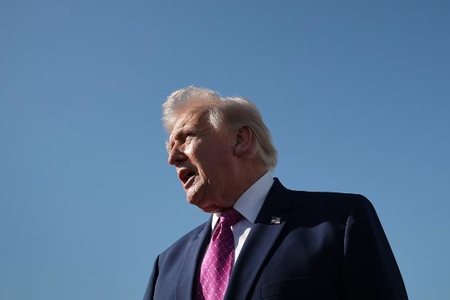
President Donald Trump said that US and Iranian negotiators are expected to meet again over the weekend, with the aim of finalizing the deal. According to sources, the meeting could take place in Islamabad, under the mediation of Pakistan, with the support of Egypt and Turkey.
One of the top priorities of the US administration is to ensure that Iran no longer has access to its stockpile of about 2,000 kilograms of enriched uranium, including 450 kilograms enriched to 60%. In return, Iran is seeking financial relief and access to frozen funds.
The parties are discussing not only the fate of this nuclear material, but also the amount of funds to be unlocked and how Iran can use them. In previous phases, the US had proposed releasing $6 billion for humanitarian needs, while Iran had requested $27 billion. The $20 billion amount constitutes the latest compromise on the table.
Another key point in the negotiations is how to handle the uranium. The US has demanded that it be transferred outside Iran, while Tehran has proposed reducing the level of enrichment within the country. A possible compromise would see some of it sent to a third country, while the rest would be processed under international supervision.
The draft agreement also includes a "voluntary" moratorium on uranium enrichment. The US has sought a 20-year period, while Iran has proposed five years, with mediators trying to bring the positions closer.
According to Axios, the agreement would allow Iran to maintain research reactors for the production of medical isotopes, but all nuclear facilities must be above ground, while underground ones will be decommissioned.
The document also covers the Strait of Hormuz, although significant differences remain on this point. It is not yet clear whether the agreement covers Iran's ballistic missile program or its support for allied groups in the region, issues that have been raised by Israel and Republican politicians in the US.
After the news broke, Trump responded on Truth Social by stating that “there will be no exchange of money,” without directly specifying the frozen funds. However, he expressed optimism about reaching a deal, noting that Iran has given signals not to develop nuclear weapons.
"We are very close to an agreement. If it is not reached, the fighting will resume," Trump said, leaving open the possibility of extending the ceasefire beyond the current deadline.
Meanwhile, mediators from Pakistan, Egypt and Turkey are expected to hold further meetings with Saudi representatives, in an effort to advance an agreement that would have a wide-ranging impact on the region and beyond. /Pamphlet




Pse nuk mund t'i dhuroje Rusia Iranit 20 bomba nukleare nga 2000 te sajat? Keto historira jane te sfumuara nga Izraeli pjelle e atyre qe e krijuan e dihen. Bota eshte ushqyer historikisht me moralin ujku, ujku e cakalli ben kerdine. Sundimi eshte mbreteri qe mbahet gjalle nga coroditja.