


 Shkruar nga Pamfleti
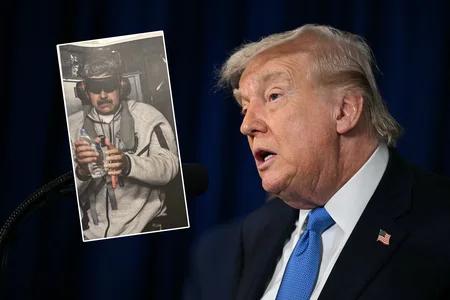
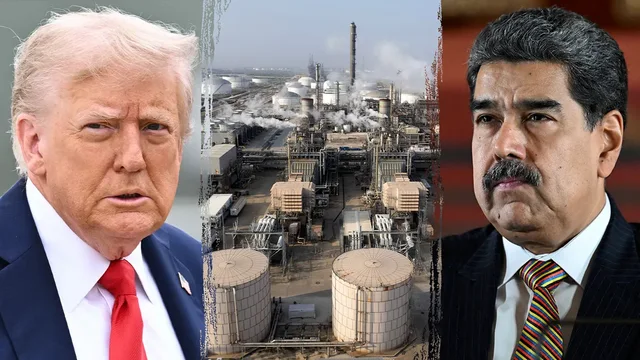
The overthrow of President Nicolás Maduro by Donald Trump opened the door for American investors targeting the world's largest crude oil reserve.
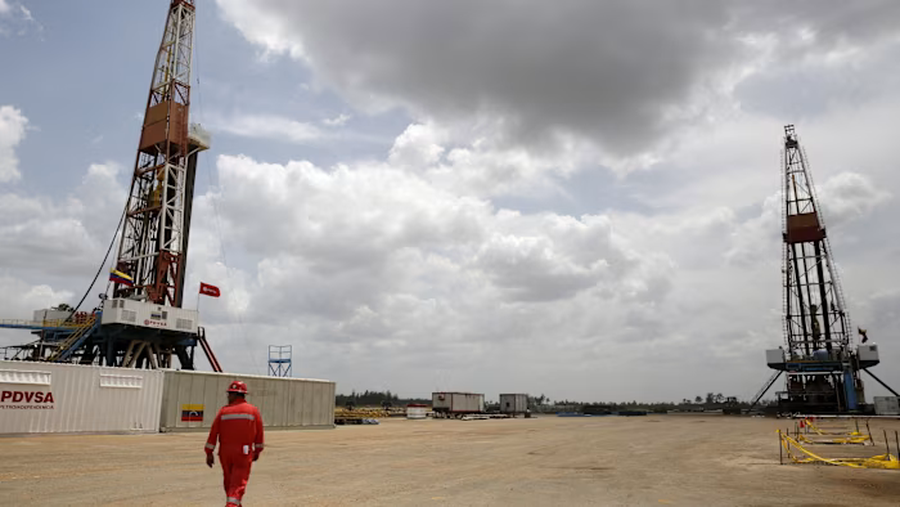
Former Chevron executive seeks $2 billion for Venezuela oil projects
A former top Chevron executive is raising $2 billion for oil projects in Venezuela as investors rush to respond to Donald Trump's call to pour "billions of dollars" into the country after the US ousted its president Nicolás Maduro.
Ali Moshiri, the former head of Chevron's Latin American operations, told the Financial Times that his fund Amos Global Energy Management had identified many Venezuelan assets and was talking to institutional investors about a private placement to boost investment.
The capture of Maduro by US special forces on Saturday and Trump's call for US companies to revive Venezuela's oil industry had created an unexpected opportunity, Moshiri said.
"We have been waiting for this breakthrough for some time and our $2 billion private placement memorandum is ready to be implemented with several investment targets identified," he said in an interview.
"I've had a dozen calls in the last 24 hours from potential investors. Interest in Venezuela has gone from zero to 99 percent."
The US attack on Caracas and Trump's warning that Washington would dictate terms to Venezuela's new leaders has raised the prospect of a corporate assault on a country that boasts the world's largest oil reserves.
This marks a potential new era for companies. The last major discovery of a country's reserves was in 2009 in Iraq, where auctions for oil fields attracted multibillion-dollar bids six years after the US invasion.
But the three major US oil companies have cautiously greeted Trump's call for investment because of concerns about political instability, a history of expropriated assets in Venezuela and the large sums needed to increase production.
An industry insider said executives at ExxonMobil, Chevron and ConocoPhillips were surprised by the US military action.
"None of the industry players who have the capital and expertise to invest in Venezuela were advised or consulted before Maduro's departure or the president's statements yesterday," the insider said.
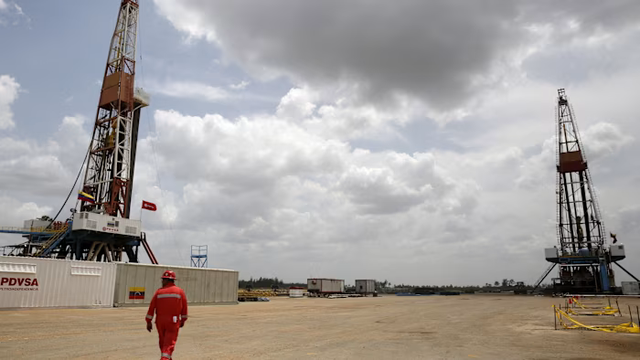
Përpjekja e Amos për mbledhjen e fondeve do të shënojë një provë të hershme të oreksit të Wall Street për të financuar rindërtimin e infrastrukturës së rrënuar të naftës së Venezuelës, e cila është degraduar pas viteve të keqmenaxhimit dhe sanksioneve.
Memorandumi për investitorët i përgatitur nga Amos, i cili është parë nga FT, daton në dhjetor 2025. Ai tregon se fondi synon të blejë 20,000-50,000 fuçi në ditë prodhim nafte dhe 500,000 fuçi rezerva nga kompania shtetërore e naftës Petróleos de Venezuela (PDVSA). Ai parashikon një dalje brenda pesë deri në shtatë vjetësh dhe një kthim të investimit prej dy herë e gjysmë.
Investitorë të tjerë privatë kanë sinjalizuar gjithashtu interesin e tyre të mundshëm në Venezuelë pas ndërhyrjes së SHBA-së.
Harold Hamm, manjati amerikan i argjilit dhe një donator i shquar i Trump, i tha FT se kompania e tij Continental Resources do të merrte në konsideratë investimin në Venezuelë në rrethanat e duhura.
“Ndërsa nuk kemi ndonjë plan të menjëhershëm në lidhje me Venezuelën, ne besojmë se vendi ka potencial të konsiderueshëm burimesh dhe me stabilitet të përmirësuar rregullator dhe qeveritar, patjetër që do të merrnim në konsideratë investimet e ardhshme”, tha ai.
Ndërsa investitorët privatë pritet të veprojnë më shpejt në përgjigje të thirrjes së Trump, analistët e industrisë thanë se vetëm kompanitë e mëdha amerikane do të kishin peshën dhe ekspertizën për të rindërtuar sektorin e gjerë dhe kompleks të naftës së rëndë të vendit.
Chevron, e cila tashmë operon në vend sipas një licence të veçantë të dhënë nga administrata Trump, konsiderohet prodhuesi më i pozicionuar për të rritur investimet. Por tha se ishte i përqendruar në sigurinë e punonjësve dhe integritetin e aseteve të saj.
Rivalja e saj ExxonMobil nuk i është përgjigjur kërkesave për komente në lidhje me qëllimet e saj në Venezuelë. Ajo ende po kërkon pagesën e një vendimi arbitrazhi prej 1.6 miliardë dollarësh të lidhur me shpronësimin e aseteve pothuajse dy dekada më parë nga Hugo Chávez, paraardhësi i Maduros.
ConocoPhillips, e cila fitoi një vendim arbitrazhi prej 8.4 miliardë dollarësh për shpronësimin e aseteve të saj venezueliane, tha se do të vazhdonte përpjekjet për të marrë çmimin e saj dhe se ishte "e parakohshme" të spekulohej mbi aktivitetet e ardhshme.
Ndërsa Trump ishte i qartë në thirrjen që kompanitë amerikane të investonin, sekretari i tij i shtetit, Marco Rubio, e la derën hapur për prodhuesit nga vendet aleate - por jo për ata nga kundërshtarët e Amerikës.
Kina është klientja më e madhe e naftës në Venezuelë dhe kompanitë e saj, si dhe kompanitë ruse, kanë qenë investitorë në rrjedhën e saj të sipërme.
"What we will not allow is for the oil industry in Venezuela to be controlled by adversaries of the United States," he told NBC News' "Meet the Press." "Why does China need its oil, why does Russia need its oil, why does Iran need its oil?... This is the Western Hemisphere, this is where we live."
Several European companies with operations in Venezuela - Spain's Repsol and Italy's Eni - could invest if U.S. sanctions are lifted, analysts said. But they would wait to see if fiscal conditions for non-U.S. companies were favorable.
Moshiri has tried to buy Venezuelan assets in the past. In 2022, he signed a joint venture with Gramercy Funds Management to invest in the offshore Paris Bay. Amos later agreed to buy some Venezuelan oil and gas assets owned by China's Sinopec.
Moshiri said the deals fell through because the investment fund was unable to obtain a license from the Biden administration.
"Now with the Trump administration, which is more trade-friendly and economically oriented, we are starting a new fund and we are very confident."/ Adapted from the Financial Times



Lini një Përgjigje