


 Shkruar nga Pamfleti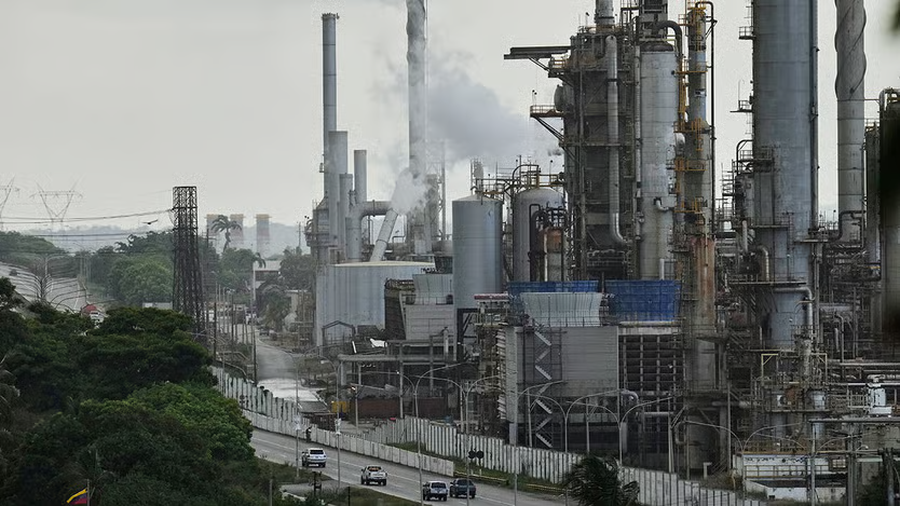
The country has the largest oil reserves in the world. Getting them out of the ground will be difficult…
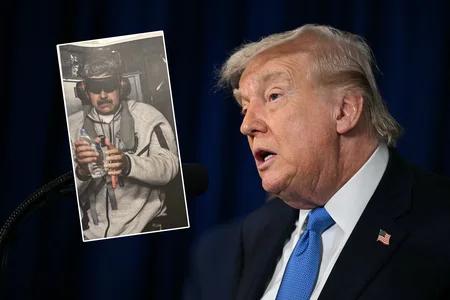
Just hours after America captured Nicolás Maduro, the dictator of Venezuela, President Donald Trump clarified his motivation.
“The oil business in Venezuela has been a failure, a total failure for a long period of time,” he said, adding “our very large oil companies in the United States will spend billions of dollars, repair the severely damaged infrastructure… and start making money for the country.”
The statement had the sweet taste of revenge. 18 years ago, under Hugo Chavez, Venezuela nationalized assets belonging to American and other Western companies; it and PDVSA, the national oil company, have been sued in US and international courts for a combined $60 billion. On December 16, Mr. Trump had demanded that Venezuela return “all the oil, land and other assets that it had previously stolen from the Americans.”
But the president wants more than just punishment. Decades of underinvestment and mismanagement have seen Venezuela's oil production fall by two-thirds since the late 2000s, to about 1 million barrels per day (bpd).
Restoring unused capacity, by this logic, would make Venezuela rich while lining American pockets. Venezuela has about 300 billion barrels of oil, 1/5 of the world's reserves, which means production could increase further, and for a while.
The heavy, sour oil the country contains is precisely the type of crude that American refineries are chronically short of, at a time when America's relations with Canada, a supplier of the substance, are strained.
So what’s not to like about Mr. Trump’s oil push? In the short term, Venezuela’s crude output is more likely to decline than recover. In December, America imposed a blockade on Venezuelan shipments carried by blacklisted tankers; it then seized one of them. Exports have since fallen sharply, and the volume of Venezuelan crude floating in unused tankers has reached multi-year highs. Venezuela is also short of kerosene, a diluent it needs to make its super-crude oil, which no longer comes from Russia, transportable. If the blockade is not lifted, which depends on political and military developments, Venezuela’s output will have to be further curtailed, perhaps to less than 700,000 barrels per day.
Prodhimi mund të rimëkëmbet brenda pak muajsh nëse ka një tranzicion të qetë politik dhe sanksionet amerikane ndaj Venezuelës, përfshirë bllokadën, hiqen (një "nëse" e madhe).
Mirëmbajtja dhe riparimet bazë mund ta çojnë prodhimin bruto të vendit në 1.2 mb/d deri në fund të vitit 2026, vlerëson Kpler, një firmë të dhënash.
Megjithatë, kjo do të ishte disi më pak se prodhimi maksimal potencial i vendit, dhe do ta linte atë pak pas Libisë, prodhuesit të 18-të më të madh në botë. Për të prodhuar më shumë, Venezuela do të duhej të kapërcente tre probleme: një nevojë të ngutshme për fonde, një mungesë të fuqisë punëtore dhe një treg global të ngopur.
Rystad Energy, një kompani konsulence, vlerëson se 110 miliardë dollarë shpenzime kapitale vetëm për eksplorim dhe prodhim do të duheshin për ta rikthyer prodhimin e vendit aty ku ishte 15 vjet më pare, dyfishi i shumës që kompanitë kryesore të naftës amerikane investuan së bashku në të gjithë botën në vitin 2024.
Z. Trump duket se mendon se këto firma do të nxitojnë të nënshkruajnë çekë të mëdhenj. Chevron, e cila është tashmë e pranishme në Venezuelë dhe eksporton rreth 200,000 fuçi në ditë në Amerikë sipas një heqjeje nga sanksionet, mund të zgjerojë operacionet e saj.
Por të tjerët nuk i kanë harruar dhimbjet e së kaluarës. Suksesi i planeve të z. Trump vështirë se është i garantuar. Ai do të largohet nga Shtëpia e Bardhë brenda pak më shumë se tre vjetësh dhe mund të humbasë interesin para kësaj kohe. Deri më tani, kompanitë e mëdha amerikane kanë heshtur ndaj thirrjes së presidentit për armë. As tregtarët globalë të mallrave nuk janë "në blloqet fillestare", thotë konsulenti Jean-François Lambert. Bankat dhe siguruesit, të cilët do të nevojiteshin për të financuar dhe siguruar dërgesat, do të ishin edhe më të ngadaltë për t'u rikthyer.
Edhe nëse mjaftueshëm firma nafte do të bindeshin të jepnin kontributin e tyre, është e dyshimtë që industria e naftës e Venezuelës do të mund të mbante ritmin. Në vitet e fundit, ajo ka pësuar një ikje të madhe të trurit. Dhjetëra mijëra punëtorë të kualifikuar, nga inxhinierët te gjeologët, janë larguar nga vendi. PDVSA tani drejtohet kryesisht nga forcat e armatosura. Për të formuar sipërmarrje të përbashkëta të qëndrueshme me firmat perëndimore, kompania me 70,000 punonjës do të duhej të reformohej me shumicë. Mund të mos jetë në gjendje të shërbejë si një partner i qëndrueshëm për shumë vite.
Any additional oil Venezuela can produce will flow into a saturated market. The International Energy Agency, an official forecaster, expects global crude supply to exceed demand at least until the end of the decade, due to strong production in countries such as Brazil, Guyana and, indeed, the Americas, as well as tepid demand growth. Many analysts expect the surpluses to push global oil prices toward $50 a barrel, and perhaps even lower, this year and next, below the break-even price for most of Venezuela’s existing fields with good reserves. New projects are often even less competitive.
In its most optimistic scenario, Kpler predicts that Venezuela's oil production could increase to 1.7 million and 1.8 million barrels/day by 2028.
This could still cause a significant reshuffle in trade flows. American refineries are likely to grab a few extra barrels: they imported 500,000 more a day in the early 2010s. Cuba, which has long bought from Venezuela on favorable terms, will turn to Mexico and Russia for help. China’s “teahouse” refineries, which used to buy most of Venezuela’s supplies at a discount, could be excluded from the trade; perhaps its state-owned oil firms will also reduce their local footprint.
All of this could benefit America commercially and geopolitically, but only at the margins. Anything more drastic, such as restoring Venezuelan production to 2.5-3 million barrels per day, its level in the late 2010s, and roughly what Kuwait, the world's eighth-largest producer, produces today, seems like a long-term project, says Jorge León of Rystad Energy.
Mr. Trump’s overthrow of Maduro was spectacular and swift. The economic payoff from this will be none of them. /Adapted from The Economist /



Lini një Përgjigje