


 Shkruar nga Pamfleti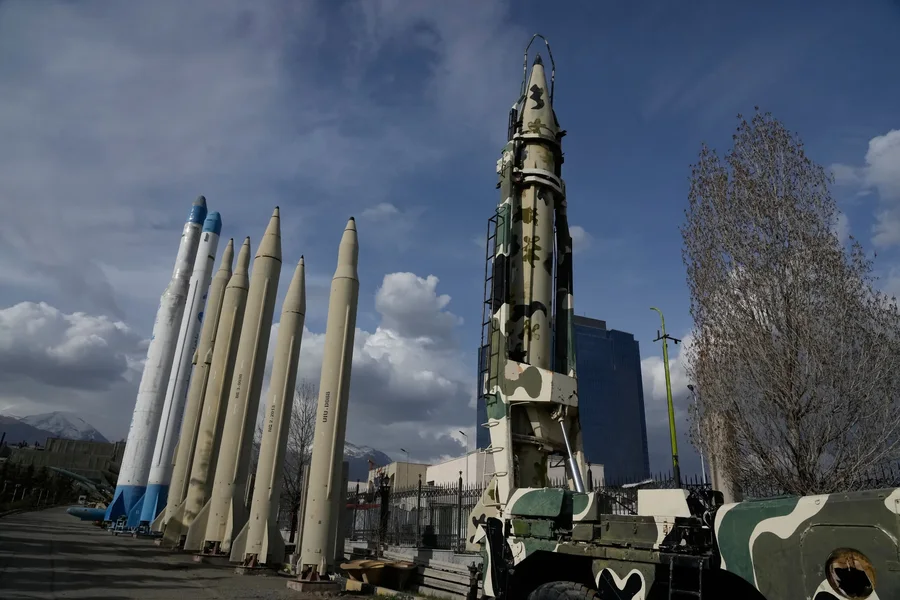
Intelligence assessments contradict Trump's statements about the complete weakening of Iranian capabilities...
The United States has destroyed only about a third of Iran's missile and drone arsenal after a month of fighting, according to a Reuters report citing sources familiar with US intelligence assessments.
According to the report, another part of the arsenal is considered damaged or hidden in underground tunnels and bunkers, while the rest remains functional. A similar assessment applies to Iran's drone fleet. Although many of these weapons are not immediately accessible, Iran continues to have a significant stockpile.
This data contradicts statements by President Donald Trump, who has said that Iran has "very few missiles left," as well as other official positions suggesting that ballistic capabilities have been neutralized.
Iran considers its ballistic missile program a key element of its deterrence strategy, especially in the face of the military superiority of the United States and Israel. On the other hand, these capabilities are seen by Israel and its allies as a direct threat.
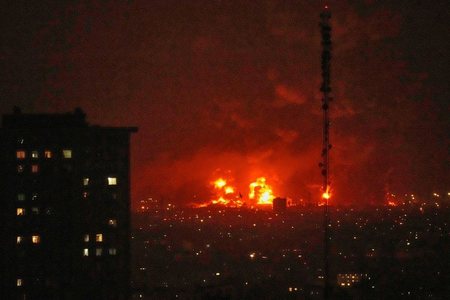
Over the past month, Iran has used ballistic missiles and drones in attacks on Israel and energy infrastructure in Gulf countries, causing significant damage and impacts on the global economy.
Weakening this arsenal is one of the main objectives of the US and Israeli military campaign. Israel has claimed to have “neutralized” about 70% of Iran’s missile launchers, while Tehran has dispersed these systems across the territory to avoid strikes.
However, estimates indicate that a significant portion of the arsenal remains intact, partly due to the extensive network of underground tunnels that make their identification and destruction difficult.
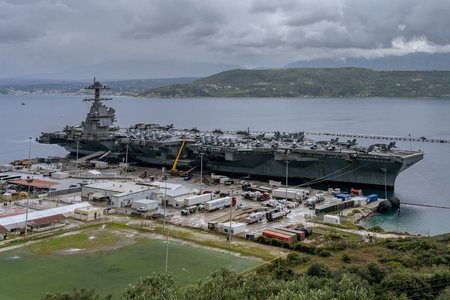
Meanwhile, the US has increased its military presence in the Middle East and is considering other operational options, including a ground intervention in the Kharg Island area, with the aim of securing traffic in the Strait of Hormuz.
US Secretary of Defense Pete Hegseth has stressed that operations will continue, acknowledging the challenges posed by Iran's underground infrastructure.
While the number of attacks has declined, Iranian missiles continue to penetrate air defenses and strike targets in Israel and the Gulf region, indicating that Tehran's military capabilities remain operational. /Pamphlet





Lini një Përgjigje