


 Shkruar nga Pamfleti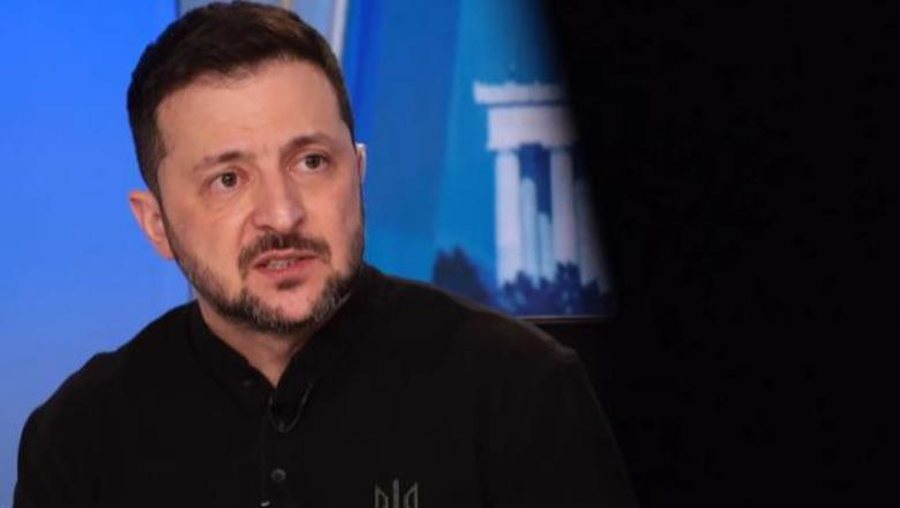
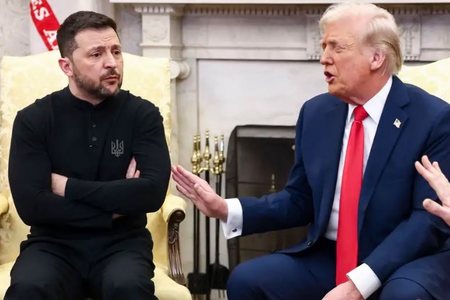
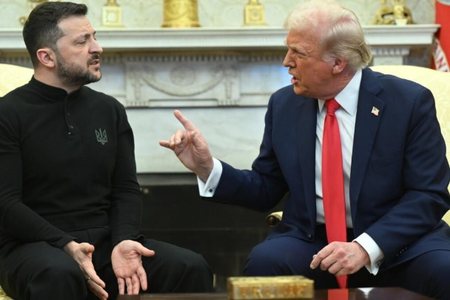
Throughout the weekend, various White House officials have privately advised that Zelensky must express remorse, apologize, and show regret for Friday's clash if he wants to repair relations with Trump.
In an interview with Fox News that night, Zelensky declined the offer to apologize. In broken English, he insisted that he did not feel the need to do so.
“No,” he told reporter Bret Baier. “I respect the president and I respect the American people, and … I think we need to be very open and very honest. And I’m not sure we did anything wrong.”
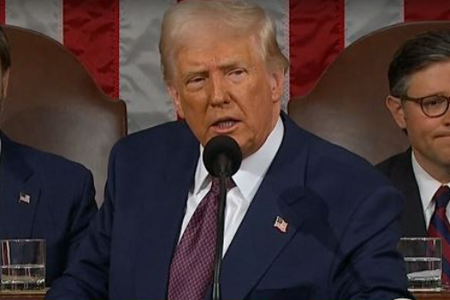
But with typical Trump maneuvering, the US president and his representatives exerted extraordinary pressure, culminating in the overnight cutoff of military aid – a shocking shift in America's foreign policy and geopolitical values.
Europe's message to Zelensky behind closed doors
Zelensky's initial refusal to apologize had to do not only with his conviction that he had done nothing wrong in the Oval Office, but also with his desire that the minerals deal include clear security guarantees from the US, more than just American contractors as human shields.
However, European leaders have given Zelensky a clear message privately: The impact of Trump's decision to cut military aid is so serious that he must take a step back.
The message is: “Repair the standoff with Trump, sign his deal, and then work together – we Europeans – to secure real security guarantees from America, in order to shift the pressure to Putin.”
What is bothering Zelensky?
But there is one problem that is surely weighing more heavily on Zelensky's mind and adding to his resistance: The language being used by those around Trump is so overtly pro-Putin that it seems inexplicable.
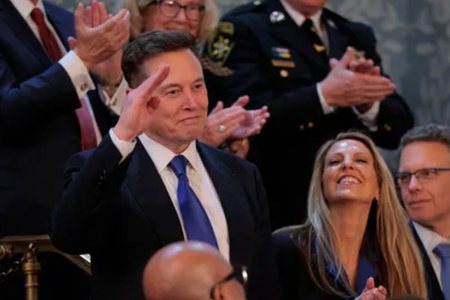
Look what Elon Musk has posted on X in the last 24 hours – a gift for Putin:
"As unpleasant as it may be, Zelensky should be offered some kind of amnesty in a neutral country, in exchange for a peaceful transition to democracy in Ukraine."
It is one thing to maintain a careful strategy of not provoking the other side (Russia) in order to bring it to the negotiating table.
But it's another thing entirely to intentionally weaken your side, giving your opponent rhetoric taken straight from their political manual. /Bota.al


Lini një Përgjigje