


 Shkruar nga Pamfleti
The question of how much of Musk's $1 trillion fortune comes from the government is not as simple as it seems. By some measures, only a small portion of his wealth comes from taxpayers. His companies have received "only" tens of billions of dollars from government contracts and programs. But it's not just the amount of money that matters, it's also the timing of when it was received.
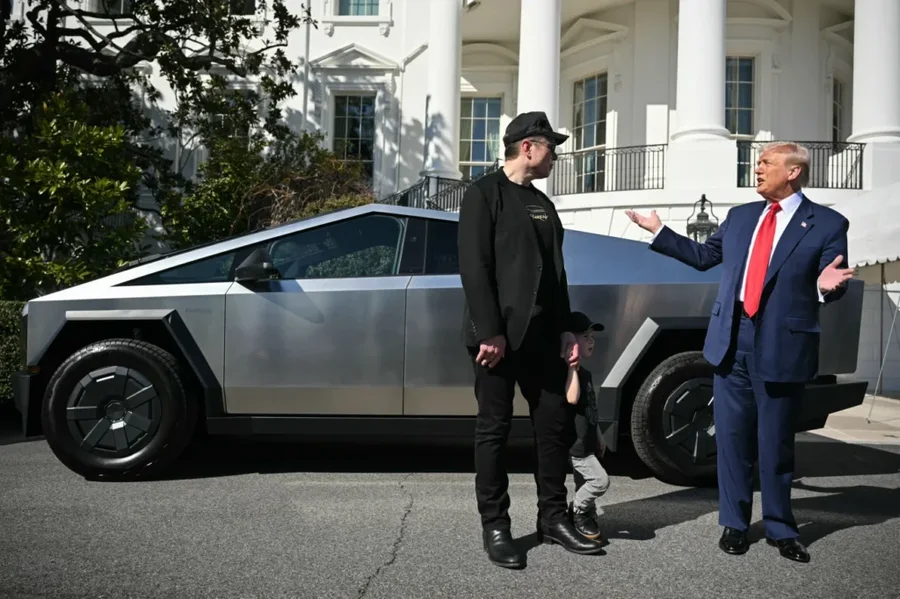
Elon Musk has many people to thank for becoming the world's first trillionaire: the engineers at his companies who produced technological breakthroughs, the Wall Street investors who were willing to back him with billions of dollars despite questionable finances, but above all, American taxpayers and government policymakers.
“They (Tesla and SpaceX) wouldn’t exist if it weren’t for the government,” said Ross Gerber, CEO of investment firm Gerber Kawasaki and one of the early investors in Tesla.
The federal government gave SpaceX more than $500 million in grants in its early years. And that $500 million is just a fraction of what Tesla has benefited from in government grants, loans, contracts and regulatory policies, CNN reports.
This is not to say that SpaceX's success and Tesla's roughly $1.5 trillion valuation are entirely the result of federal spending, but both companies were struggling as startups before receiving taxpayer subsidies.
Early money pushed SpaceX forward
The question of how much of Musk's $1 trillion fortune comes from the government is not as simple as it seems. By some measures, only a small portion of his wealth comes from taxpayers. His companies have received "only" tens of billions of dollars from government contracts and programs. But it's not just the amount of money that matters, it's also the timing of when it was received.
SpaceX's first major win was a $278 million grant from NASA in 2006 to develop the Falcon rocket system and Dragon capsule. The Space Shuttle program was ending, and the U.S. needed a new way to transport astronauts and cargo to the International Space Station.
This was the first of more than $500 million in grants that SpaceX would receive, according to data from PitchBook, which tracks the valuation of private companies.
“That was about half of the capital they had raised up to that point,” said Casey Dreier, head of space policy at the Planetary Society, a public interest group that promotes spaceflight, before SpaceX’s IPO. “That was a significant commitment that NASA offered.”
And while NASA has benefited from SpaceX's success, with dozens of people transported to the space station on the company's rockets, it hasn't benefited in the same way as private investors.
“The people who put up the other half of their capital in that period are poised to become multibillionaires,” Dreier said.
Dhe mbështetja nga NASA nuk u ndal me grantet. Vetë Musk ka pranuar se kompania ishte pothuajse pa para në fund të vitit 2008 kur mori një kontratë vendimtare dhe të paprecedentë prej 1.6 miliardë dollarësh nga agjencia amerikane e hapësirës.
“Fakti është se ne nuk do të mund ta kishim nisur SpaceX, as nuk do të kishim arritur deri në këtë pikë, pa ndihmën e NASA-s,” tha Musk në vitin 2012 kur kompania lëshoi për herë të parë raketën Falcon 9 drejt ISS.
Rregulloret e mbajtën gjallë Tesla
Në krahasim, Tesla ka marrë kontrata qeveritare relativisht modeste në të kaluarën. Por ajo mori shumë ndihmë për të nisur rrugëtimin e saj, ndihmë vendimtare.
Në janar të vitit 2010, Tesla kishte shitur më pak se 2,000 makina gjatë gjithë historisë së saj, pothuajse të gjitha automjete elektrike të bazuara në makina sportive të Lotus, një kompani britanike relativisht pak e njohur. Më pas Tesla mori një hua me interes të ulët prej 465 milionë dollarësh nga Departamenti Amerikan i Energjisë, vetëm disa muaj para ofertës së saj fillestare publike. Me këtë hua, kompania zhvilloi sedanin Tesla Model S, suksesin e saj të parë të madh. Tesla e shlyeu huanë më herët se afati nëpërmjet të ardhurave nga një shitje shtesë aksionesh në vitin 2013.
Një kreditim tatimor prej 7,500 dollarësh për blerësit e automjeteve elektrike i lejoi kompanisë dhe prodhuesve të tjerë të shisnin automjete elektrike të prodhuara në Amerikë me një çmim më të lartë sesa do të lejonte ndryshe tregu.
Blerësit e Tesla përfituan kredi tatimore federale me vlerë të vlerësuar prej 3.4 miliardë dollarësh përpara se kjo lehtësi të përfundonte në vitin 2019. Më pas Tesla uli çmimet për të ruajtur kërkesën. Duke parë sa shumë iu desh të ulte çmimet, kredia tatimore ka të ngjarë t’i ketë sjellë Tesla-s më shumë se 1 miliard dollarë të ardhura shtesë nga makinat e shitura në SHBA sesa do të kishte arritur pa këtë kredi.
Kredia tatimore u rikthye në vitin 2023 si pjesë e Aktit për Uljen e Inflacionit të administratës Biden. Por republikanët në Kongres dhe administrata Trump e përfunduan këtë kreditim për të gjithë industrinë më 30 shtator 2025.
Megjithatë, mbështetja më e rëndësishme financiare për Tesla-n nuk erdhi nga kreditë tatimore për blerësit e automjeteve elektrike. Ajo erdhi nga një program qeveritar për reduktimin e emetimeve të karbonit në industrinë automobilistike.
Sipas këtij kuadri rregullator, kompanitë automobilistike duhej të përmbushnin kufijtë e emetimeve. Nëse nuk i përmbushnin, duhej të blinin “kredi emisionesh” nga kompanitë që ishin në përputhje me kufijtë. Dhe e vetmja kompani që gjithmonë ishte nën kufijtë e emetimeve dhe kishte kredi për të shitur ishte Tesla, pasi të gjitha automjetet e saj janë elektrike.
This meant that almost every other car company in the US was forced to pour money into Tesla’s coffers as a result of these regulations. Sales of these credits accounted for nearly 25% of the company’s revenue in 2008 and 10% of its revenue over the next five years. Between 2008 and 2019, sales of regulatory credits generated more than $2 billion for the company. Tesla could have failed without these funds, a fact that even Elon himself has not denied.
In a post in 2020, Musk admitted that Tesla was very close to bankruptcy even in 2019. Even after escaping this danger, it was only in 2021 that Tesla managed to record a profit without the help of selling loans.
Since 2019, regulatory credit sales have brought in another $12.3 billion, almost all of which has gone directly into the company's bottom line. However, that revenue is likely to disappear in the future, as Republicans in Congress have effectively eliminated the program.
But Tesla's value is not tied to its cars. Rather, the company's stock price is based on Musk's promise that Tesla will soon widely offer self-driving "robotaxis" and humanoid robots, a promise he has long tried to fulfill, but with little success.
Wall Street's faith in Musk is the main reason his wealth has reached previously unimaginable levels, at least for now, as long as his companies' shares remain near current levels. But that faith exists because, in the early days of his businesses, when he needed financial support most, it was the U.S. government, not Wall Street, that provided the necessary assistance.
“In the end it turned out that it was very good for the government, for America and for society that these companies exist, so I don’t regret that the government gave him money,” said Gerber, the early Tesla investor who is now a critic of Musk. “The mistake the government made was that it should have taken an equity stake.”


Lini një Përgjigje