


 Shkruar nga Pamfleti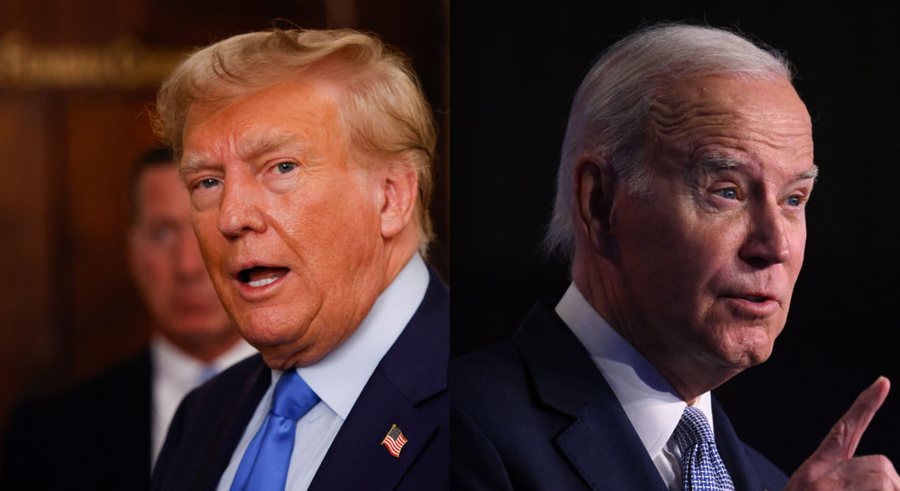
Possible changes of governments could decisively alter the geopolitical balance, affecting Western support for Ukraine, the conflict in the Middle East, trade relations and the interconnected global economy.
About two billion people in 50 countries around the world could go to the polls in 2024, more than in any other year in history.
In June, the world's biggest cross-border elections will take place when more than 400 million people are expected to vote in the European elections.
But with votes scheduled in populous countries such as the US, India and Indonesia, autocratic states including Belarus, Iran and Russia, and strategic allies Taiwan and the United Kingdom, elections within and beyond Europe's borders have the potential to profoundly affect the continent as well. old, writes Telegrafi.
This is because possible changes of governments could decisively change the geopolitical balance, affecting Western support for Ukraine, the conflict in the Middle East, trade relations and the interconnected global economy.
The election will also test the resilience of global democracies amid fears of growing democratic backsliding and hard-line authoritarian rule.
The possibility of Republican candidate Donald Trump returning to the White House makes 2024 a potentially explosive year in global politics, and the impact could also be in Europe.
But Trump's real-life run for president may be over before it begins.
The Colorado Supreme Court has ruled that he cannot run in the state because of his actions before the January 2021 attack on Capitol Hill.
His lead in the polls over Republican rivals, however, means he could win without running in Colorado — but the ruling sets a strong precedent for similar lawsuits that could bar him from running in other states.
A Republican takeover — whether by Trump or not — could disrupt the West's hard-line policy on Ukraine, as some wings of the party call for curbs on military and financial aid to Kiev.
This could also portend a return to trade disputes.
The previous Republican administration under Trump imposed sweeping tariffs on European allies in an effort to protect American manufacturers.
Both sides have agreed to a "temporary truce," but Trump has vowed to impose a 10% tariff on all foreign imports if he is elected president.
Një ndryshim i administratës mund të ndikojë gjithashtu në bisedimet e vazhdueshme për të lejuar BE-në të eksportojë minerale për prodhimin e baterive elektrike në SHBA pa u imponuar me tarifa sipas “Inflation Reduction Act”.
Në qershor, votuesit me të drejtë vote në 27 vendet anëtare të BE-së do të zgjedhin se kush i përfaqëson ata në Parlamentin Evropian, institucioni i vetëm i bllokut i zgjedhur në mënyrë demokratike.
Edhe pse BE konsiderohet një gjigant për sa i përket numrit të votuesve, zgjedhjet kanë vuajtur nga pjesëmarrja e dobët dhe mosinteresimi midis votuesve që mendojnë se BE-ja është shumë larg jetës së tyre të përditshme.
Parashikimet e një rritjeje të mbështetjes për partitë euroskeptike dhe të ekstremit të djathtë – të nxitura nga sukseset e fundit zgjedhore në Holandë, Itali, Finlandë dhe Suedi – po mbjellin dyshime mbi rrugën e ardhshme të BE-së.
Një rënie ekonomike në ekonomitë kryesore të BE-së, rritja e pakënaqësisë në zonat rurale, ndryshimi i klimës dhe migrimi janë të gjitha çështjet përcaktuese për fushatën. Zgjedhjet do të vendosin gjithashtu se kush do të udhëheqë Komisionin e ardhshëm Evropian, me Presidenten aktuale Ursula von der Leyen që pritet të kandidojë përsëri dhe të shkaktojë një riorganizim të madh të vendeve të punës në BE.
Zgjedhjet e parakohshme u thirrën nga presidenti i Portugalisë në nëntor, pasi kryeministri socialist António Costa u detyrua të jepte dorëheqjen – por ka mbetur në postin si kujdestar – mes një hetimi të gjerë korrupsioni. Partia Socialiste (PS) do të shpresojë se udhëheqësi i saj i ri Pedro Nuno Santos mund të ngjitet në pushtet në vendin iberik, i cili ka qenë një bastion për krahun e majtë evropian në vitet e fundit.
Sondazhet sugjerojnë një garë të ngushtë, me Partinë Socialiste të Nuno Santos dhe opozitën e saj konservatore, Partinë Socialdemokrate, aktualisht të barabarta në sondazhe me rreth 27% të votave. Por bastioni i krahut të majtë mund të jetë vendi më i fundit evropian që ka parë një rritje të ekstremit të djathtë.
Ndërsa Chega, një parti sfiduese e ekstremit të djathtë që synon të prishë sistemin tradicional dypartiak, është në garë jo të largët me dy partitë kryesore me 17%. Chega është kritikuar për ‘helmimin’ e debatit kombëtar me retorikë raciste, anti-LGBTQ+, anti-imigruese dhe antirome.
Belgjika do të mbajë zgjedhje të dyfishta në fillim të qershorit, ku zgjedhjet evropiane dhe ato federale do të zhvillohen në të njëjtën ditë. Vendi prej 11.6 milionë banorësh është i njohur për politikën e tij të ndarë dhe marrëveshjet komplekse të ndarjes së pushtetit, me jo më pak se shtatë parti në koalicionin aktual të qeverisë.
Polls paint a very clear picture, with the far-right Vlaams Belang leading in Flanders, the Socialist Party in Wallonia, while the liberals are expected to win in Brussels. With the current seven-party coalition on track to win enough support to govern again, Prime Minister Alexander de Croo will want to use Belgium's six-month presidency of the EU Council, which starts in January, to win political point in his country.
Austria's election could prove to be one of the most critical as Europe tries to curb a rise of the far-right. The far-right party (FPÖ) is currently leading the polls with an impressive 30% of the vote. Its support has grown steadily since its fall following the Ibiza scandal in 2019, when then-Vice Chancellor and FPÖ leader Heinz-Christian Strache was filmed soliciting political favors from Russian business contacts.
Anti-lockdown policies during the Covid-19 pandemic, her criticism of the economic fallout of EU sanctions on Russia and her populist policies have seen her slowly regain the trust of right-wing voters.
It has also taken advantage of the infighting between the centrist parties to consolidate its support.
And if the momentum continues, it is possible that the next Austrian chancellor could come from the ranks of the FPÖ.
Finland will elect its new President in January. Parliamentary elections will be held in Lithuania on May 12 and in Croatia on September 22. Ukraine's presidential election will be held in the spring, but the law prohibits elections under martial law. President Volodymyr Zelensky has previously said that holding elections during wartime would be "completely irresponsible".
Russians will elect their next president on March 17. But with independent media stifled and critics jailed or in exile, the path is clear for President Vladimir Putin to secure his next term.
Other elections – “suffice it to say” – are scheduled in Iran on March 1 and in Belarus on February 25.
General elections will be held in Indonesia on February 14 and in India between April and May. Voting in Indonesia is set to be the largest one-day election in the world with more than 200 million eligible voters. Taiwan will head to the polls in a presidential election on January 13.
And the United Kingdom will hold a general election before the end of 2024, Prime Minister Rishi Sunak confirmed.




Lini një Përgjigje