


 Shkruar nga Pamfleti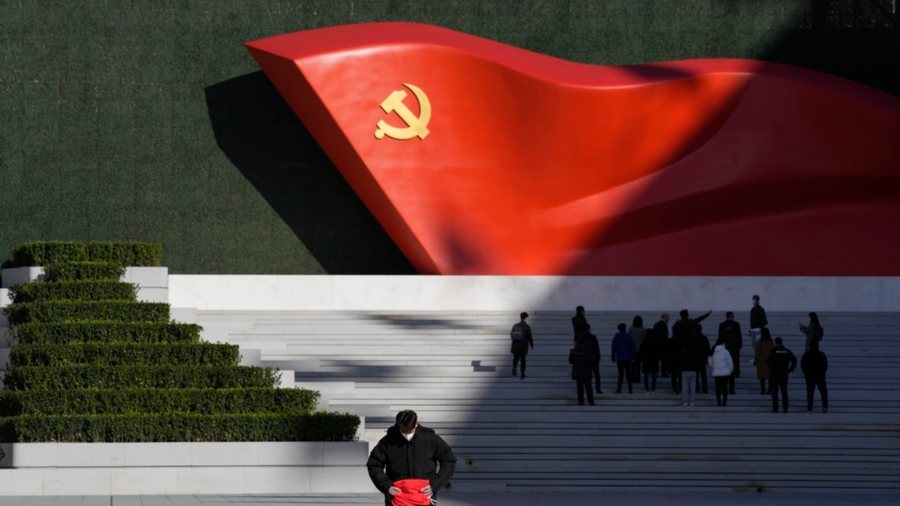
Half a century after testing its power in the geopolitical battles of the Cold War in Southeast Europe, where totalitarian Albania played a critical role, in this new era of renewed political rifts, China has returned to the region as an important actor. For China, the Western Balkans, where now more than half a century later most of the countries are members of NATO but not of the European Union, according to the researchers, with whom the colleague Garentina Kraja talked, is playing the role of an economic bridge between China and Western Europe, filling the void of unfulfilled promises for European integration. However, scholars see a lag in its momentum and distinguish between its influence and Russia's interference in the region.
In the not too distant past, Albania became the trophy of the great Sino-Soviet rift within the communist camp, which in the 60s constituted one of the biggest ideological clashes in the world. Originally a satellite state of the Soviet Union, Albania broke away from this bloc in the mid-60s, embracing China for a decade as its strategic partner in the battle against so-called "Western imperialism".
But after the cooling of relations in the late 1970s, China, which tried to mold Albania in its image, did not have any significant presence in the region until the last ten years.
Today, in this period of new cracks, which are separating democracies from autocratic systems, China, as the second largest economy in the world, has created its own path in the region.
Elidor Mëhilli, professor of history and public policy at Hunter College in New York, researcher of the history of relations between China and Albania and author of the book "From Stalin to Mao: Albania and the Socialist World", says that China changed its strategy in the decade of recently through the "One Generation, One Road" initiative that aims to expand its international presence.
"The Chinese interest in the Balkans is like a kind of bridge between trade, especially through Greece, where the Chinese have made strategic investments, and the countries of the European Union. Since the countries of the Western Balkans are not yet part of the EU, it is a way to enter the large inter-European market. But what the countries of the Western Balkans provide, a characteristic that you cannot find in the countries of the European Union, is that they are not obliged to apply EU standards. So it is a kind of strategic connecting bridge, but without having to respect all the EU standards", he says.
But China's presence in this decade was not the same in all countries, and the line between investment and lending, due to the lack of transparency from Beijing and the beneficiary countries, became increasingly blurred.
The main economic beneficiary of the Chinese presence in the Western Balkans is Serbia, whose market captures about 80 percent of Chinese direct investment and loans in the region, estimated to have reached several billion dollars.
According to the lecturer of global politics and the head of the department for European and international political studies at "University College London", Igor Rogelja, the introduction of China in the region came as a result of a mutual benefit, but now this influence has marked stagnation.
"In essence, it was a question of supply and demand. Much attention, particularly from the European Union, was paid to China's intentions, perhaps its unspoken goals or ambitions to become a powerful player in the region. But such a point of view undermines the actions of the states and governments of Southeast Europe. In essence, China provided what in many ways the European Union neglected and in particular on issues related to access to borrowing and capital for infrastructural developments... It is important to note that many of the things that China financed were not things dreamed up in Beijing, but projects that Southeast European countries wanted,” he says.
Although China placed the weight of its presence on economic development, the consequences are also political, says historian Mëhilli. He singles out Serbia, which has taken advantage of China's interest in connecting Greek ports with European markets through the region, to raise its international profile in the image of a state that balances different powers, as part of its foreign policy.
"On the political level, here we have to differentiate some of the countries of the Western Balkans from some of the other countries. For example, the story changes when it comes to Serbia and when it comes to Albania. These are countries with a different political orientation, with different political interests and the internal use of Chinese influence... What do I mean by the use of Chinese influence? Serbian President Vučić, in his public statements, trumpets with great help the Chinese, the fact that China is a great political supporter of Serbia and this in a way is a message addressed to Western Europe, addressed to the EU and political actors in the West", says Mr. Mëhilli.
According to the historian Mëhilli, with this policy towards China, "the Serbian elite in Belgrade extract political capital for internal use by saying that Serbia has a powerful economic ally and a growing superpower."
Për profesorin Rogelja “vonesat në dekarbonizimin e rajonit, investimet në projekte që nuk janë të qëndrueshme dhe vazhdimësia që u sigurohet rrjeteve që kanë elemente korruptive apo që nuk kanë transparencë” janë efektet negative që shoqëruan ardhjen e Kinës në Ballkan dhe të cilat mund të vazhdojnë të ndërlikojnë politikat e BE-së ndaj rajonit.
Sipas studiuesve, prania e Kinës në rajon ka patur një pasojë të papritur pozitive, duke detyruar Bashkimin Evropian dhe nxitur hartuesit e politikave në kryeqytetet evropiane që të rikalibrojnë angazhimin e tyre sërish në rajon.
“Megjithatë sa i përket BE-së, ishte një lloj alarmi i mirëseardhur në oborrin e saj, i cili u neglizhua pas përfundimeve të konflikteve të viteve ‘90-të… Andaj një lloj gare këtu ishte e mirëseardhur”, thotë studiuesi Rogelja.
Në çështje tjera politike, siç është pavarësia e Kosovës, të cilën Kina nuk e njeh, ndonëse nuk ka një bashkërendim, ka një rreshtim interesash.
Për dallim prej ndikimit të Rusisë në rajon, që sipas ekspertëve, ndërhyn në mënyrë aktive në çështjet e brendshme, zoti Rogelja thotë se Kina është më pragmatike dhe më e përqendruar në bashkëpunimin ekonomik se sa në kombinime politike apo gjeostrategjike.
“Kina dhe Serbia kanë qëndrime që përputhen, që plotësojnë njëra tjetrën; Kina ka një qëndrim të prerë dhe të pa kompromis rreth sovranitetit. Ajo nuk toleron asnjë lloj diskutimi për Tajvanin apo pjesët perëndimore të Kinës, apo të drejtën e vetëvendosjes. Ky është edhe qëndrim i Serbisë”, thotë zoti Rogelja.
Por, tensionet e shtuara ndërmjet fuqive me interesa të kundërta në rajon mund ta shndërrojnë rajonin në një “betejë idesh”.
“Qartazi ka një konflikt gjeopolitik apo një garë në përgatitje e sipër ndërmjet Shteteve të Bashkuara dhe Kinës. Kjo garë do të jetë shumë më e dukshme në Azinë Lindore, në oborrin e Kinës. Por mendoj se Ballkani doli, ndoshta paksa befasisht, si një fushëbetejë e rëndësishme në këtë garë... “, shton zoti Rogelja.
Ai thotë se Ballkani është “një ambient testues ku shumë gjëra mund të provohen dhe të eksperimentohen.”
“Është e qartë se bëhej fjalë për një strategji për të përdorur Ballkanin si një lloj dere të vogël, një terren ku do ta provonte veten, ku do ta përsoste ofertën e saj për të vazhduar drejt Evropës”, shton ai.
Profesor Mëhilli thotë se vendeve si Shqipëria dhe Kosova duhet, siç shprehet ai, të kenë “zgjuarsi taktike” në marrëdhëniet me një vend si Kina dhe të ndjekin “një politikë të diferencuar”, që ndan marrëdhëniet ekonomike nga të cilat përfitojnë shtetet e rajonit dhe orientimin strategjik pro-perëndimor të tyre.
“Vendet e Ballkanit Perëndimor janë të rëndësishme, por rëndësia e tyre është relative kundrejt politikave të Bashkimit Evropian dhe unë do të thoja çfarë duhet Bashkimi Evropian të bëjë duke e parë politikën dhe influencën në rritje të vendeve si Kina në Ballkanin Perëndimor. Këto janë vende në pritje”, thotë ai.
With priority, according to researcher Mëhilli, is for the EU to clarify its offer for the region. / VOA


Lini një Përgjigje